Thrash Lineage Week: Accept, Megadeth and Queensrÿche Nostalgia Puts Ohio's Own Riff Historians Front and Center
There's a particular kind of week in metal journalism where every headline seems to point backward before it points forward — reunions, anniversaries, guys getting back on stage with bands that fired them decades ago. This week was one of those weeks, and if you squint at it from Ohio, you can see exactly why that nostalgia hits different here than it does anywhere else. This state didn't just consume 80s metal bands, it helped build the scaffolding they're still climbing on.
When the Past Comes Back On Stage
Start with the strangest reunion of the month: David Reece, the American vocalist who fronted Accept for exactly one record in the late '80s before getting unceremoniously shown the door, stepped back on stage with the band in Oberhausen, Germany for Accept's 50th anniversary celebration — 37 years after he last sang with them. He traded verses on "Hellhammer" and "Balls To The Wall," and by all accounts it was less awkward reunion and more overdue correction of the historical record.
That kind of long-game vindication resonates in a region where thrash and heavy metal bands have had to grind for decades without the benefit of a major label's PR machine smoothing things over. Ohio's own SSA operates in exactly that lineage — a thrash metal band putting in the unglamorous work that doesn't always get the spotlight until years later, if at all. The Reece story is a reminder that in this genre, patience sometimes pays off decades down the line, and that the bands grinding right now in Cleveland basements and Columbus VFW halls are writing a history that may not get its flowers until 2050-something.
Rage For Order, 40 Years On
Geoff Tate also spent the week in a reflective mood, looking back at Queensrÿche's "Rage For Order" as it approaches its 40th anniversary. Tate described the record as a deliberate stretch beyond the band's comfort zone, saying the band "were really trying to push the boundaries of what we had done before." That's a sentiment that should sound familiar to anyone following Ohio's progressive and heavy metal underground right now — bands that treat genre boundaries as suggestions rather than walls.
Progressive-leaning acts like AfterWinter and genre-blurring crews like Dedwurm, who move fluidly between death, progressive, and sludge metal, are carrying that same restless-boundary-pushing energy that made "Rage For Order" a landmark instead of a retread. It's worth remembering that the records now routinely cited among the best metal albums of all time were, at the time, considered risky departures. Ohio's current crop of boundary-pushers deserve the same patience critics eventually extended to Queensrÿche.
Friedman, Megadeth, and the Thrash Family Tree
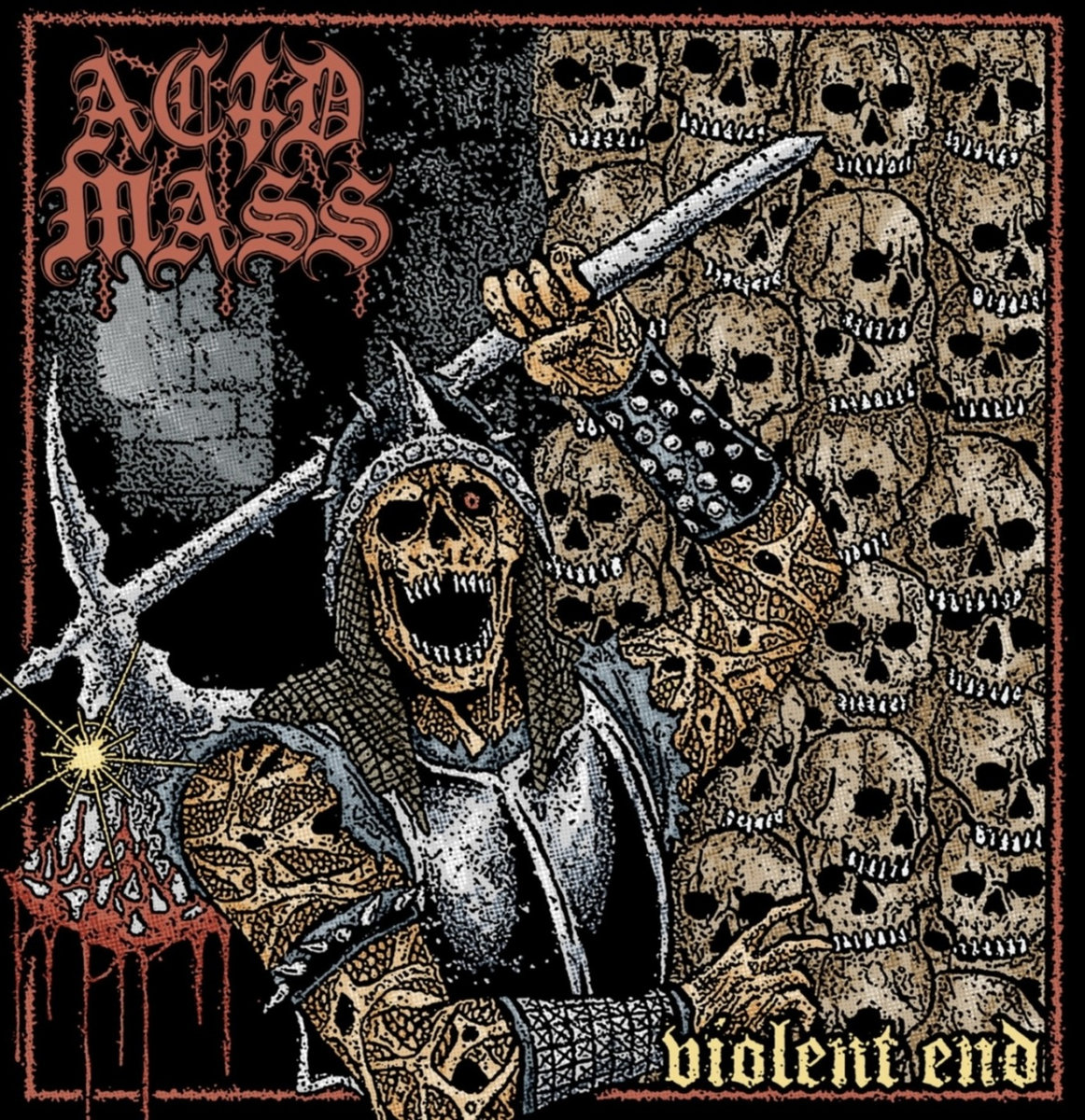
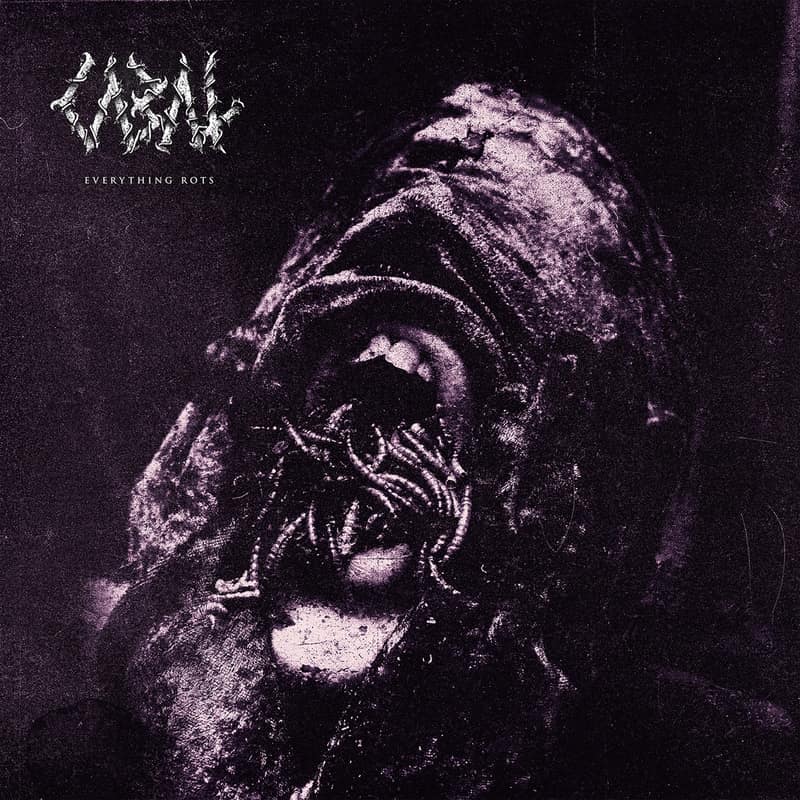
Marty Friedman kept the door open on future Megadeth appearances this week, telling Poland's MetalSide that he "never rules out" more onstage reunions following his guest spot at Megadeth's first-ever Budokan show. Friedman's comment — "you never know what tomorrow will bring" — is as good a mission statement as any for a thrash scene that refuses to stay buried. Ohio's thrash family tree runs deep and tangled: alongside SSA, you've got Acid Mass, Cabal, and Psychomancy all working the same riff-forward, no-nonsense territory that made Megadeth's classic run so enduring. Throw in groove-thrash hybrids like Chronic Aggression and Trenchgoat, and you've got a scene that could headline its own regional Budokan moment if anyone wanted to book it.
The NWOTHM Gap Ohio Needs to Fill
While the national conversation stayed locked on thrash nostalgia this week, it's worth pointing out a blind spot in local coverage: Ohio's new wave of traditional heavy metal bands have been quietly building a scene that hasn't gotten nearly enough ink. If Bruce Dickinson can tell Rolling Stone Brasil that his solo work lets him do "exactly what I want" without worrying about Steve Harris looking over his shoulder, that same spirit of unshackled, riff-first songwriting is alive in Ohio's NWOTHM-adjacent bands.
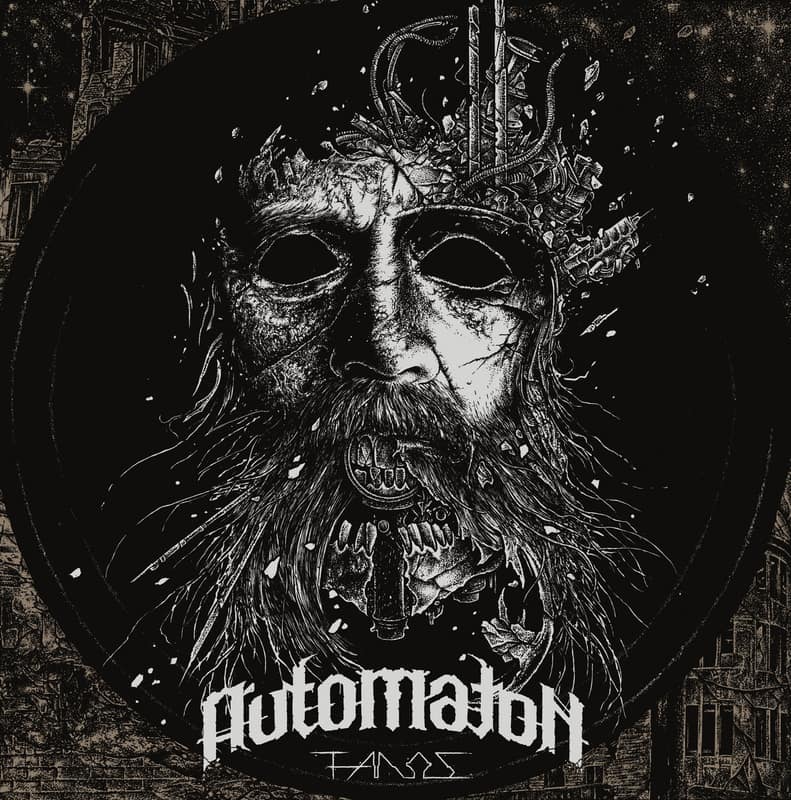
Tarantula Downpour, Wicked Aura, Solar Flare, and Scarlet are all mining that same classic-heavy-metal vein — twin leads, big choruses, zero irony — that's fueling a genuine international revival. Pair that with stoner-adjacent heavy metal acts like Nucleon and doom/power hybrids like Automaton, and Ohio has more than enough raw material to be mentioned in the same breath as any other regional NWOTHM hotbed. If you're building a list of new metal bands 2026 should be paying attention to, several of these names belong on it — they just need the stage time to prove it.
Grindcore's Global Reach, Felt Locally
Napalm Death dropped a full concert video from their November show in Vilnius, Lithuania, running through a setlist stacked with classics like "Instinct Of Survival," "Strong-Arm," and "Continuing War On Stupidity." Watching a band that's been running the grindcore blueprint for over four decades still play with that kind of ferocity is a good reminder of how far this sound travels — from Birmingham to the Baltics to, yes, Ohio basements. Crust-grind hybrids like Cheap Gas are proof that the genre's DIY, confrontational spirit didn't stay in the UK; it found fertile ground here too, in the same scrappy show spaces that have always welcomed the loudest, fastest, and least compromising bands on the bill.
Krishnacore and the Deeper Roots of Straight Edge
Metal Injection ran a deep dive this week on Krishnacore — the strange, genuinely fascinating intersection of Hare Krishna spirituality and straight-edge hardcore that produced bands blending shaved-head devotion with breakdown-heavy riffing. It's a reminder that hardcore's ideological threads run in all kinds of unexpected directions, and that the genre's DNA is more complicated than "fast and angry." Ohio's hardcore-adjacent death metal scene, including bands like Twenty Third Chapter, carries forward that same willingness to mix genre codes without diluting the aggression — proof that hardcore's ideological experiments from the '90s still echo in how bands structure riffs and breakdowns today.
Business as Usual: Sevendust's Equal Split
In a less flashy but genuinely useful story, Sevendust guitarist Clint Lowery told the Bare Knuckle Nation podcast that the band still splits its earnings evenly among members to "keep it harmonious," with most of the income these days coming from live shows and merch rather than old-school album sales. It's a small, practical detail, but it's the kind of unglamorous business reality every working Ohio band — whether you're playing basements or regional festivals — has had to reckon with as the economics of metal keep shifting away from recorded music and toward the live circuit. If you're in a band splitting door money four ways after gas and tolls, you already know the math Lowery's describing.
Crossover Moments and What They Mean for Metal's Reach
Elsewhere, bluegrass guitarist Billy Strings and Phish's Trey Anastasio closed out a benefit show in Worcester with a cover of Metallica's "Master Of Puppets," a moment that's already racking up views across metal social media. It's a fun reminder that thrash's biggest anthems have become genuinely universal language at this point — the kind of best heavy metal songs that transcend scene boundaries entirely. Moments like that are good advertising for metal generally, even when they happen a thousand miles from Ohio; they remind casual listeners that this music still has teeth worth discovering.
Keep the Local Machine Running
Between thrash reunions, Queensrÿche anniversaries, and Megadeth guest spots, it's easy for the national metal press to treat legacy acts as the whole story. But Ohio's scene — from SSA's thrash attack to the NWOTHM resurgence brewing in bands like Tarantula Downpour and Scarlet — is proof that the next chapter of this region's metal history is being written right now, in rooms that deserve more attention than they get. Check upcoming shows to catch these bands while they're still building their legend, and if you're in a band that belongs in this conversation, submit your band so we can keep documenting the Ohio metal scene as it happens, not just decades after the fact.