Dave Mustcomplain Can't Even Ruin It: If These Trees Could Talk Get the MetalSucks Treatment
Two stories crossed the wire this week that, on the surface, couldn't be more different — a snarky record review column and a decade-old act of heroism getting fresh attention on a true-crime podcast. But both, in their own way, are Ohio stories, and both say something about how this state's metal scene gets talked about outside its own borders.
MetalSucks Turns Its Cranky Eye on Akron's Finest
Let's start with the fun one. MetalSucks' recurring "Disgrunted Dad Reviews" bit — in which the perpetually unimpressed Dave Mustcomplain tears through new releases like a man who's never once enjoyed a birthday party — took on If These Trees Could Talk's new record The Hidden Hand. If you don't know the column, the whole premise is that Mustcomplain is congenitally incapable of praising anything without also complaining about it, which makes the fact that a Canton-area post-metal band even ended up in his crosshairs a small victory in itself.
If These Trees Could Talk have spent close to two decades quietly building one of the most respected instrumental post-metal/post-rock catalogs in the country, all without leaving Stark County. That a national outlet with the reach of MetalSucks is still putting their new work in front of readers — grumpy framing device and all — says something about staying power. Bands come and go, hype cycles spin up and burn out, but ITTCT keeps making patient, cinematic, riff-driven records that critics feel compelled to engage with, even the ones who've built entire personas around being hard to please. That's the kind of longevity every band chasing the best metal albums of all time conversation should be studying.
It's also a reminder that Ohio's post-metal and post-rock lineage doesn't get nearly enough credit in the broader "best metal bands" discourse. This is a state that produces heavy music across every conceivable subgenre — from the slam death brutality of Columbus's Sanguisugabogg to the atmospheric doom of Threefold Law — and ITTCT sit comfortably at the more cerebral end of that spectrum, proving the Ohio metal scene isn't just a blast-beat factory.
Columbus's Quiet Hero, Twenty Years Later
The other Ohio thread running through the news cycle this week is heavier in a completely different sense. Two separate outlets — Blabbermouth and Metal Injection — published new interview material with James Niggemeyer, the former Columbus police officer who, in December 2004, walked into the Alrosa Villa without backup and ended the attack that killed Dimebag Darrell Abbott and three others. Niggemeyer told Bill Bailey of Today's Boondoggle Podcast that he has no regrets about what he did that night, even though the incident effectively ended his career and left him dealing with PTSD for years afterward.
"That's part of the job. You sign up for it. You just have to deal with it, I guess."
It's a stark, matter-of-fact quote from a guy who doesn't seem interested in being cast as a hero, even though the metal world has treated him as exactly that for two decades. What strikes me revisiting this story now is how much it's woven into Columbus's identity in metal circles — the city gets referenced in Dimebag tribute conversations constantly, but rarely with any acknowledgment that the man who stopped that night from getting even worse was a local cop doing a job nobody envies. Ohio doesn't always get claimed in the mythology of that tragedy, but it should.
Mental Health Is Finally Part of the Conversation
Sticking with the theme of what happens after the worst night of someone's career, former Slipknot drummer Jay Weinberg gave a candid interview to Bryce Maopolski of HeartSupport — the nonprofit that provides free, music-based mental health resources to fans — about seeking therapy following his abrupt firing from the band. Weinberg described the process as "an unlocking of a door," which is a phrase that should resonate with anyone in this scene who's watched a member get unceremoniously dropped from a project they poured years into.
This matters locally because Ohio's DIY and hardcore-adjacent scenes have been leaning harder into this exact conversation for years — bands built around brutal, aggressive music are often the ones most willing to talk openly about what's underneath it. Death metal acts like Ebullism and grind-leaning outfits like Hemdale exist in a scene that's increasingly comfortable pairing extremity on stage with honesty off it. Weinberg's story, and HeartSupport's mission generally, is a useful reminder that the loudest music often comes from people carrying the heaviest stuff, and that a scene that takes care of its members is a stronger one.
Touring Season Is Heating Up — And Ohio Needs to Be Ready
Zooming out to the national picture: Drain just announced early 2027 touring plans across Australia and Asia, Iron Maiden wrapped a sold-out Toronto stand kicking off their "Run For Your Lives" North American tour, and Bruce Dickinson got a laugh out of crowds by pointedly calling Lake Ontario by its actual name mid-show. These are the kinds of headlines that remind you touring cycles are being planned a full year or more out now — which means bands and promoters thinking about metal bands touring 2026 and beyond need to be locking in routing now, not waiting until the last minute.
For Ohio, that's a call to action as much as a trend piece. Cleveland, Columbus, and Cincinnati all sit on major touring corridors between Chicago, Pittsburgh, and Detroit, and yet how many mid-tier national tours skip the state entirely because a room didn't get booked in time? If you're a local promoter, a band owner, or just someone who wants more of this activity routed through Ohio rooms, keep an eye on upcoming shows and push venues to grab dates while national acts are still finalizing 2026 routing.
Where's Ohio's NWOTHM Scene in All This?
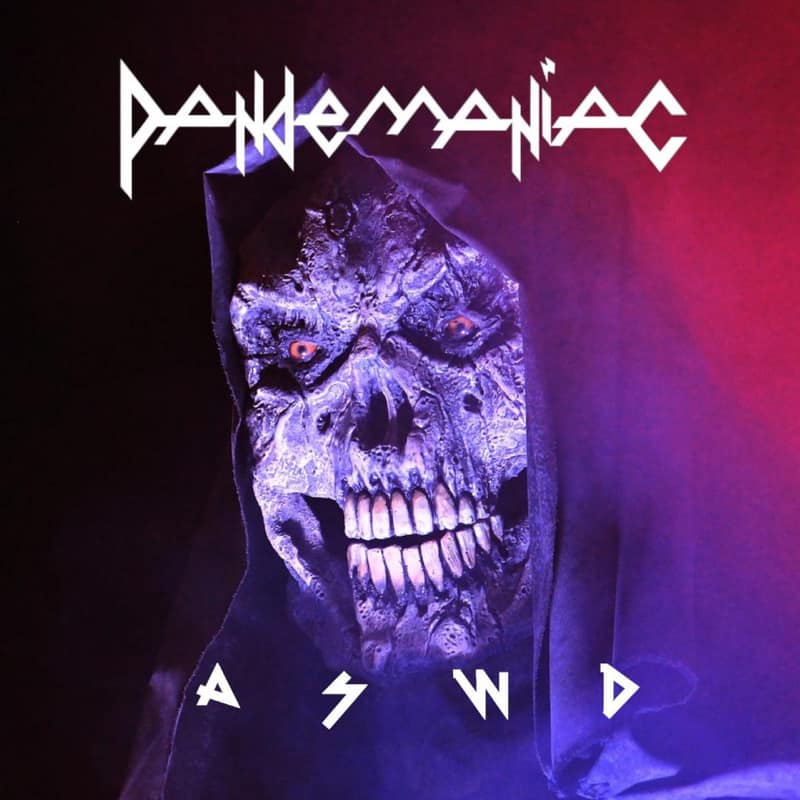
One genre that keeps getting overlooked in wider metal coverage — despite having real depth in this state — is traditional heavy metal and the New Wave of Traditional Heavy Metal revival. Ohio has actual pedigree here: Cleveland's own Shok Paris were cutting genuine 80s metal bands records when the genre was still being invented, and that lineage runs straight through to newer acts like Pandemaniac, Dark Demise, and Spike, all of whom are keeping riff-first, no-frills heavy metal alive without a shred of irony. With Sacred Reich prepping their new album Into The Abyss for Metal Blade and thrash veterans staying active well into their fourth decade, there's clearly still an appetite nationally for bands that play it straight. Ohio's heavy metal underground deserves the same spotlight — it's some of the most criminally under-covered stuff in the state.
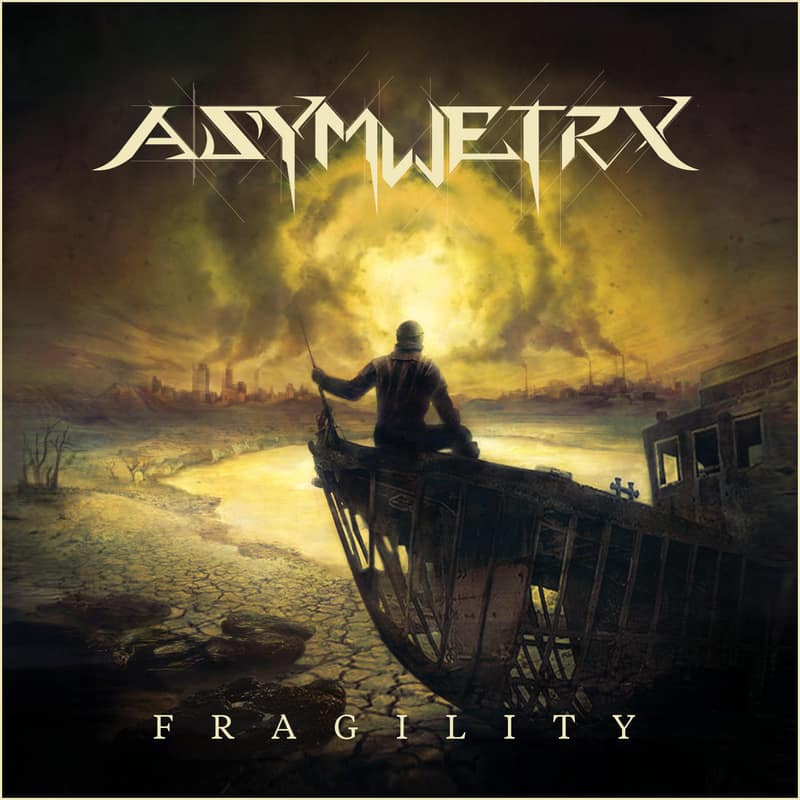
That same appetite for genre breadth is honestly one of the best things about covering this state. On any given week you can go from the atmospheric death metal of Sanhedrin to the knotty, technical songwriting of progressive act Asymmetry to the cinematic, electronic-tinged rock of STARSET — three completely different corners of heavy music, all built in Ohio, all worth your time.
The Bigger Picture
None of this week's headlines were manufactured in Ohio, but nearly all of them touch it somehow — a hometown post-metal band getting critiqued by one of the genre's most notorious skeptics, a Columbus cop's story resurfacing twenty years later, and a broader industry conversation about mental health and touring logistics that this state's bands and venues need to be paying attention to if they want a piece of what's coming in 2026. If there's a thread here, it's that Ohio metal doesn't need to manufacture its own headlines to matter — it just needs people paying attention to the connections that are already there.

If you're in a band that thinks your story deserves some of that attention, don't wait for a national outlet to find you first — submit your band and get on our radar directly.