Re-Recording Revolution and Comeback Chemistry: Metal Veterans Master Album Reset Strategy While Ohio Thrash Adapts
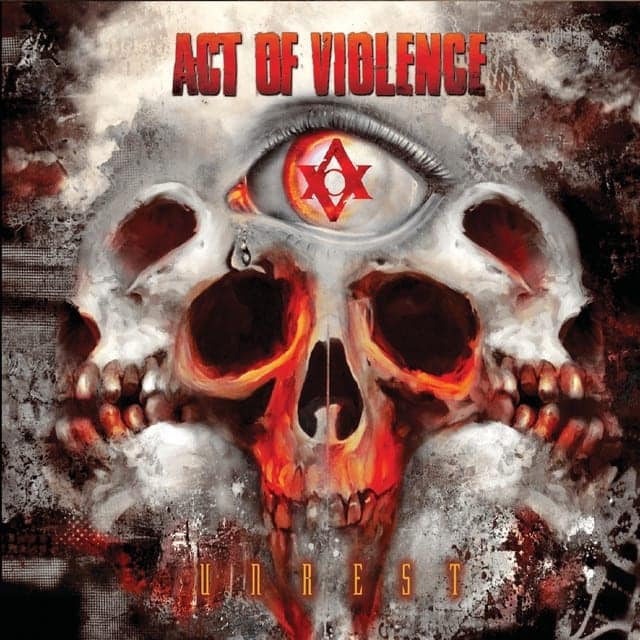
The metal world is witnessing a fascinating trend as veteran acts embrace the concept of musical "reset" strategies—from complete album re-recordings to carefully timed comeback albums after lengthy hiatuses. This shift in approach offers compelling lessons for Ohio's thrash metal community, particularly bands like Album who understand the power of reinvention within extreme music's evolving landscape.
The Reset Revolution: When Veterans Start Over
Atreyu's decision to completely re-record their gold-certified 2004 album "The Curse" represents more than nostalgia—it signals a strategic understanding of how modern production techniques can breathe new life into established material. The band's frontman Brandon Saller recently explained that specific motivating factors drove this ambitious undertaking, working with Memphis May Fire's Kellen McGregor to reimagine their breakthrough release.
This approach mirrors Armored Saint bassist Joey Vera's philosophy on their upcoming "Emotion Factory Reset" release. Vera considers every single record a reset opportunity, treating each album as a chance to redefine the band's sonic identity rather than simply continuing where they left off. For a band with only nine albums across their extensive career, this methodical approach to album development demonstrates the patience required for lasting impact.
Ohio's thrash metal veterans can learn from this strategic patience. Rather than rushing to meet artificial deadlines, the reset mentality allows bands to approach each release as a complete artistic statement. This philosophy particularly resonates within Ohio's metal scene, where bands like Master Bastard and Caje have built reputations through consistent quality over rapid-fire releases.

Comeback Chemistry After Extended Breaks
Social Distortion's Mike Ness offers another compelling model with their approach to "Born To Kill," their first album in 15 years. Ness recently stated that he couldn't have made this particular record fifteen years ago, suggesting that time and experience fundamentally changed his creative perspective. The band plans to shock everybody by maintaining consistent output moving forward, abandoning the lengthy gaps between releases.
Similarly, Snot's return to album production after decades away demonstrates how extended breaks can rejuvenate creative chemistry. The Santa Barbara-based metal/punk hybrid has completed eight songs for their long-awaited studio album, with guitarist Mikey Doling and bassist John "Tumor" Fahnestock expressing confidence in their renewed partnership. Working with producer Chris Collier, they're approaching this comeback with fresh energy rather than attempting to recreate past sounds.

This extended hiatus approach contrasts sharply with the rapid-release strategies common in today's streaming economy. For Ohio metal bands considering their release schedules, these examples suggest that strategic patience can generate more impact than constant content production.
Technical Innovation Through Patient Development
Fear Factory's Dino Cazares recently announced plans for a new single ahead of their upcoming Nuclear Blast release, marking the band's first output with latest additions including singer Milo Silvestro. This careful introduction of new lineup elements through strategic single releases demonstrates how established acts manage personnel transitions without alienating existing fanbases.
Symphony X's Russell Allen revealed their new album development has spanned multiple years, with the band dedicating several more months to completion rather than rushing to market. This extended development cycle allows for the intricate arrangements and technical precision that progressive metal demands, setting a standard that Ohio's more technical acts should consider adopting.
Judas Priest's Richie Faulkner described their in-progress follow-up to "Invincible Shield" as sounding "really cool" in early stages, emphasizing the collaborative chemistry driving their continued creativity. For a band of their stature, the focus on chemistry over commercial pressure demonstrates how the best metal bands prioritize artistic satisfaction over market demands.
Ohio's Strategic Opportunities
These industry developments create specific opportunities for Ohio metal bands willing to adopt patient, strategic approaches to album development. The state's thrash metal scene, anchored by acts like Trenchgoat and Act of Violence, can benefit from studying how veterans manage comeback timing and reset strategies.

Pennsylvania's Motionless In White recently completed work on their next record, with Chris Motionless announcing the completion through social media updates. This direct-to-fan communication strategy demonstrates how modern bands can build anticipation without traditional media campaigns, particularly relevant for Ohio acts building regional followings.
The experimental approach taken by composer Bear McCreary, assembling collaborations with Slash, Corey Taylor, Serj Tankian, and Joe Duplantier for his upcoming summer release, showcases how cross-genre partnerships can expand artistic horizons. Ohio's experimental acts like SpaceCore could explore similar collaborative strategies within the region's diverse metal community.
Long-Term Vision Over Immediate Gratification
Geoff Tate's performance of "Power" from the upcoming "Operation: Mindcrime III" album demonstrates how conceptual continuity can sustain artist relevance across decades. His approach to extending classic album concepts offers lessons for Ohio bands considering how their individual releases might connect into larger artistic statements.
The reset mentality extends beyond simple re-recordings to encompass complete artistic reinvention. Trixter's Steve Brown confirmed their new studio album development while discussing their contribution to an upcoming 1970s soft rock tribute, showing how established acts can explore unexpected territory without abandoning core identities.
For Ohio's metal scene, these examples suggest that artistic longevity comes through strategic reinvention rather than stubborn consistency. Bands willing to reset their approach, whether through extended development cycles, lineup refreshes, or conceptual evolution, position themselves for sustained relevance in an increasingly crowded field.
The current wave of veteran comebacks and strategic resets creates a roadmap for Ohio metal bands seeking to maximize their impact. Whether through patient album development, strategic hiatus periods, or complete artistic reinvention, the most successful metal acts understand that timing and chemistry matter more than maintaining constant visibility. Ohio's metal community, with its strong foundation of technical proficiency and creative diversity, stands well-positioned to implement these lessons for long-term success.