Accountability Crisis and Fashion Crossovers: Metal's Mainstream Appeal Collides with Community Standards
The metal community's ongoing struggle with accountability took center stage this week as Bilmuri's Reese Maslen returned to the band just four months after departing amid abuse allegations. Meanwhile, luxury fashion brand Gucci's decision to soundtrack their latest short film with a classic Slipknot track signals metal's continued penetration into unexpected cultural spaces, raising questions about how the genre balances mainstream acceptance with community values.
Ohio's Alternative Metal Scene Grapples with Accountability
The swift return of Bilmuri's Reese Maslen after his departure over abuse allegations highlights a persistent challenge facing metal's alternative and djent communities. Ohio's alternative metal scene, which has produced nationally recognized acts alongside numerous underground bands blending pop punk sensibilities with heavy djent rhythms, now watches as one of their own navigates the complex terrain of public accountability and career rehabilitation.
This development resonates particularly deeply within Ohio's tight-knit metal community, where bands like The Devil Wears Prada and Like Moths To Flames have built careers on authentic connection with their audiences. The metalcore and post-hardcore scenes that flourish throughout the state have long prided themselves on fostering inclusive environments, making questions of accountability and community standards particularly relevant for local artists watching this situation unfold.
Four months represents a remarkably brief timeframe for addressing serious allegations in an era when bands frequently take extended hiatuses for far less controversial reasons. This rapid return cycle suggests either a thorough internal resolution process or a calculated gamble that public attention spans remain short enough to weather the controversy. For Ohio's alternative metal bands, this situation offers a case study in crisis management and the long-term implications of how communities handle accountability.
High Fashion Embraces Metal's Cultural Currency
Gucci's decision to feature a classic Slipknot track in their new short film represents a fascinating intersection of luxury culture and metal authenticity. This creative choice demonstrates how far metal has traveled from its outsider origins, now serving as shorthand for rebellion and authenticity even within the rarefied world of high fashion. The Iowa band's music, once considered too extreme for mainstream consumption, now provides emotional weight for luxury brand storytelling.
This crossover phenomenon reflects metal's broader cultural acceptance, with implications that extend far beyond fashion shoots. When luxury brands seek metal's emotional authenticity to enhance their narratives, it validates the genre's artistic legitimacy while potentially opening new revenue streams for artists. However, it also raises questions about commercialization and whether such partnerships dilute metal's rebellious essence or simply represent its natural evolution.
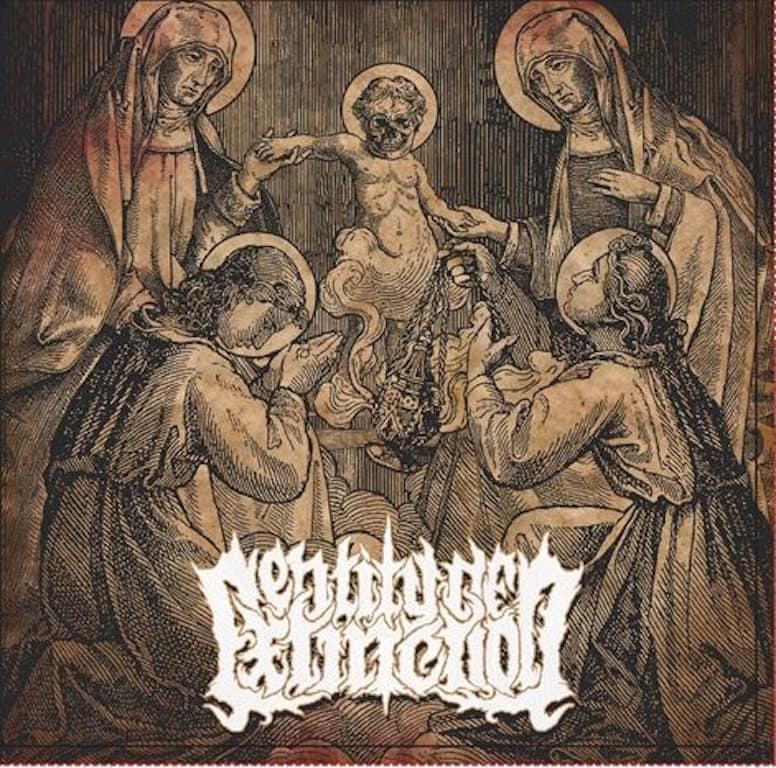
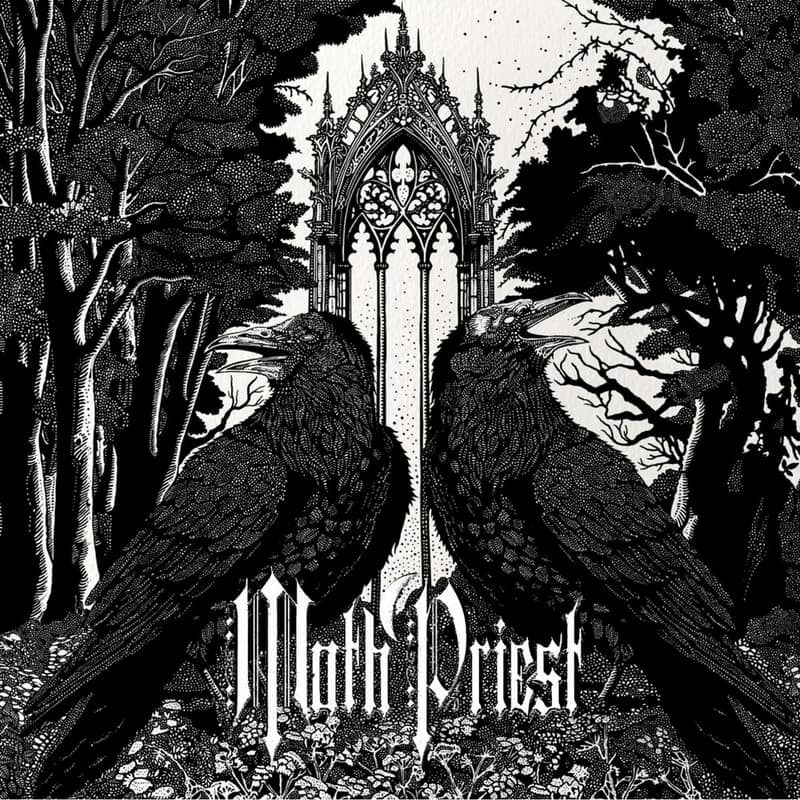
For Ohio metal bands across all subgenres, from the brutal death metal of Extinction Agenda to the atmospheric doom of Moth Priest, this mainstream acceptance creates new possibilities. Synchronization licensing for films, commercials, and brand partnerships represents an increasingly viable income stream as metal's cultural cache continues growing.
Legacy Acts Navigate Modern Expectations
Megadeth's live performance of "Ride The Lightning" in Bogota illustrates how legacy metal bands continue mining their complex histories for contemporary relevance. Dave Mustaine's decision to perform the Metallica track he co-wrote before his 1983 departure demonstrates both professional maturity and strategic catalog management. This performance represents more than nostalgia—it's a reclamation of creative contributions that shaped metal history.
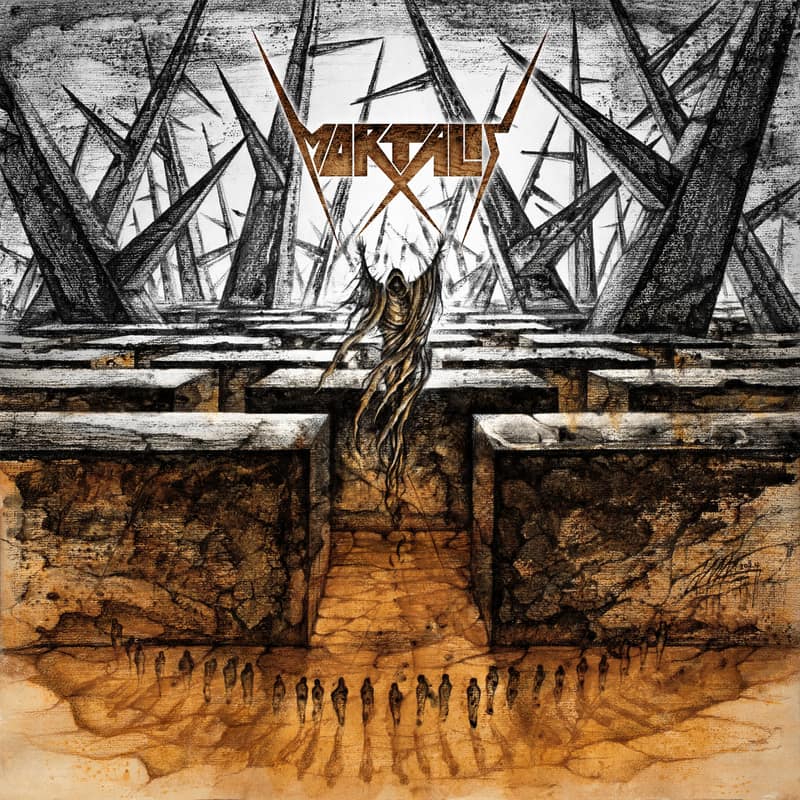
The timing of this performance, coming alongside Metallica's announcement of their "ReLoad" remaster, suggests deliberate positioning within metal's current revival cycle. Both bands, now in their fourth decade of existence, continue leveraging their interconnected histories to maintain cultural relevance while introducing classic material to new audiences. This strategic approach offers valuable lessons for Ohio's thrash metal scene, where bands like Crucified Mortals and Mortalis work to build lasting careers in a genre dominated by legendary acts.
Gene Simmons' recent reflections on KISS's failure to stage interventions for Ace Frehley reveal another facet of legacy band dynamics. His public regret about past decisions demonstrates how veteran musicians increasingly embrace transparency about interpersonal failures, suggesting evolved approaches to band relationships and mental health awareness within the metal community.
Death Metal's Touring Economy Expands
The announcement of Dying Fetus and Sanguisugabogg's co-headlining fall tour represents significant developments in death metal's touring economics. This partnership pairs established technical death metal veterans with rising slam death metal innovators, creating a package that appeals to both longtime extreme metal fans and newer audiences drawn to brutality's evolving forms.
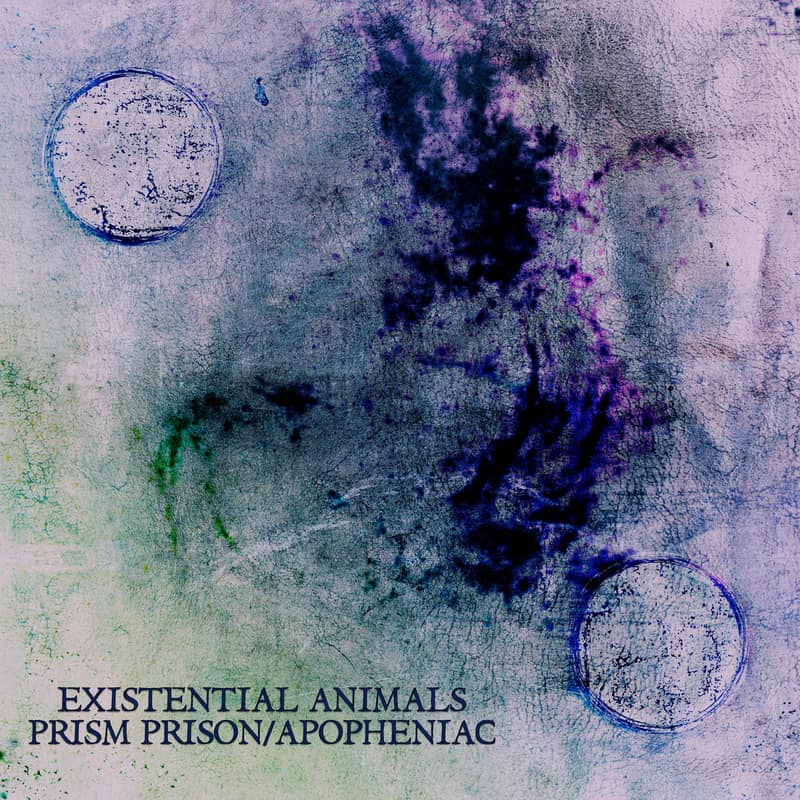
Sanguisugabogg's continued touring success, following their recent high-profile support slots, demonstrates slam death metal's growing commercial viability. Their inclusion as co-headliners rather than support acts signals the subgenre's maturation from underground novelty to legitimate draw. This development should inspire Ohio's death metal scene, which includes technically proficient bands like Existential Animals and brutal innovators like Entity of Extinction.
The strategic pairing also highlights how successful tours now blend complementary rather than identical sounds. Dying Fetus brings technical precision and longtime fan loyalty, while Sanguisugabogg offers viral appeal and slam death metal's distinctive brutality. This formula suggests new pathways for Ohio's diverse extreme metal bands to build sustainable touring careers by emphasizing their unique contributions rather than generic heaviness.
Alternative Music's Strategic Partnerships
Beyond the metal sphere, the announcement of Liz Phair and Sleater-Kinney's "Flannel and Fury" co-headline tour demonstrates how veteran alternative acts leverage nostalgia and strategic partnerships to maintain relevance. Their explicit embrace of '90s aesthetics through tour branding reflects broader alternative music trends that indirectly influence metal marketing strategies.
Fred Armisen's "Comedy For Musicians But Everyone is Welcome" tour represents another intersection of musical knowledge and entertainment value, highlighting how music expertise translates across creative disciplines. His comedy approach often references metal and punk history, demonstrating these genres' continued cultural relevance even in comedic contexts.
These developments in adjacent alternative music scenes offer strategic insights for Ohio's metal bands. The emphasis on authentic storytelling, strategic partnerships, and leveraging musical knowledge for broader cultural engagement provides roadmaps that transcend genre boundaries.
Community Standards and Commercial Success
The contrast between Bilmuri's accountability questions and metal's growing mainstream acceptance illustrates the genre's complex position in contemporary culture. As metal gains fashion industry recognition and luxury brand partnerships, questions about community standards and authentic representation become increasingly relevant. The music's rebellious origins and current commercial possibilities create tension between underground values and professional opportunities.
Ohio's metal scene, with its strong DIY ethics and community-focused venues, must navigate these same tensions. Local bands building careers in an increasingly professionalized industry face decisions about maintaining underground authenticity while pursuing broader success. The Bilmuri situation serves as a reminder that increased visibility brings increased scrutiny, requiring artists to consider long-term reputation management alongside immediate career advancement.
As metal continues evolving from outsider art form to culturally recognized genre, Ohio's diverse metal community remains well-positioned to contribute meaningfully to these conversations. The state's combination of technical innovation, underground authenticity, and professional ambition offers a model for how regional scenes can influence broader metal culture while maintaining their distinctive characteristics.