Summer Touring Giants and Genre-Crossing Collaborations: Major Label Strategies Reshape Heavy Music's Commercial Landscape
The summer touring season is shaping up to be a defining moment for heavy music's commercial evolution, with major announcements from Bring Me The Horizon, King 810, and Wolfgang Van Halen's Mammoth revealing how strategic partnerships and cross-genre collaboration are reshaping the industry's approach to audience development and artistic growth.
Stadium-Scale Touring Strategies Transform Alternative Metal
Bring Me The Horizon's announcement of their fall North American tour with Motionless In White and The Plot In You represents a masterclass in strategic tour packaging that Ohio bands should study closely. The Sheffield outfit's 'Ascension Program' touring concept demonstrates how best metal bands are moving beyond traditional genre boundaries to create comprehensive entertainment experiences.
The inclusion of Ohio's own The Plot In You on this massive tour package highlights how the state's metalcore and post-hardcore scenes have achieved national recognition. The Findlay-based band's evolution from underground hardcore roots to platinum-certified status provides a blueprint for other metal bands from ohio looking to expand their reach beyond regional circuits.
This tour structure—combining British alternative metal headliners with American industrial metalcore and Ohio post-hardcore—shows how modern touring economics prioritize complementary audiences rather than rigid genre matching. For Ohio's diverse metal community, this approach offers crucial insights into how bands like Space Monkey might position themselves for larger opportunities by focusing on audience crossover potential rather than strict metalcore traditionalism.
Michigan Metal and Multi-Genre Collaboration
King 810's summer tour announcement with For The Fallen Dreams and Weeping Wound reveals a different approach to touring strategy, one focused on regional metal authenticity and hardcore credibility. The Flint-based King 810's partnership with Michigan metalcore veterans For The Fallen Dreams creates a touring package built around Midwest metal identity and working-class authenticity.
This approach resonates strongly with Ohio's metal underground, where bands like Citizen X and HateDriven have built followings through similar combinations of groove metal, thrash, and hardcore influences. The King 810 model demonstrates how regional metal scenes can achieve national touring success without abandoning their geographic identity or working-class roots.
For Ohio's new metal bands 2026, this touring approach offers an alternative to the major label showcase model. Instead of competing for spots on massive arena tours, regional bands can build sustainable careers through strategic partnerships with similarly-positioned acts from neighboring states, creating touring circuits that prioritize authentic connection over maximum capacity.
Legacy Acts and Professional Development
Wolfgang Van Halen's Mammoth announcing their summer 2026 tour dates, including support slots with Creed, reveals how second-generation metal artists are navigating the complex relationship between legacy expectations and independent artistic development. The Grammy-nominated multi-instrumentalist's approach to building Mammoth as a distinct entity separate from his family's musical history offers strategic lessons for Ohio musicians dealing with their own artistic inheritance and regional expectations.
Mammoth's touring strategy—combining headline dates with strategic support slots for established acts like Creed—demonstrates professional tour planning that Ohio bands should emulate. This dual approach allows for both independent audience development and exposure to established fanbases, creating multiple pathways for growth rather than relying solely on grassroots venue progression.
The "The End" tour branding also shows how modern metal bands touring 2026 are approaching tour cycles as complete artistic statements rather than simple promotional campaigns. For Ohio's progressive and heavy metal scenes, this concept-driven approach to touring could help bands like Stonelayer and Strychnine create more memorable and marketable live experiences.
Cross-Genre Innovation and Artistic Risk-Taking
Loathe's announcement of their first album in six years, featuring collaborations with jazz musician Jordan Rakei, Static Dress, and producer Mansur Brown, represents the kind of genre-crossing innovation that's reshaping heavy music's creative possibilities. This willingness to incorporate jazz, electronic, and alternative elements into metal frameworks demonstrates how established acts are pushing beyond traditional boundaries to create genuinely innovative music.
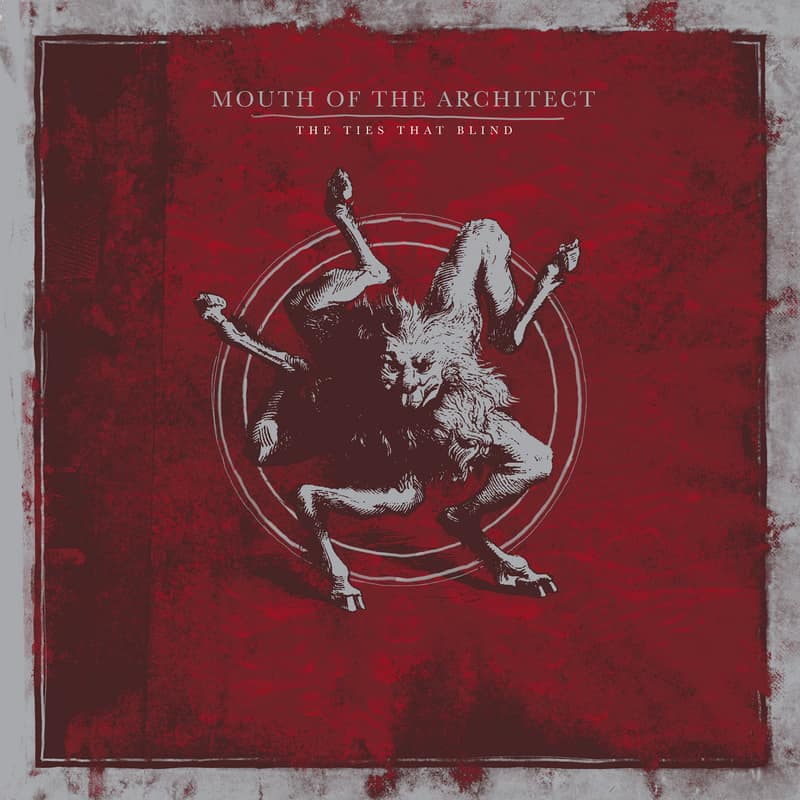
For Ohio's more experimental metal acts, Loathe's collaborative approach offers a roadmap for artistic growth that doesn't require abandoning heavy music foundations. Bands like Mouth of the Architect have already demonstrated how post-metal can incorporate diverse influences while maintaining crushing heaviness, and Loathe's success validates this approach on an international scale.
The album's incorporation of artists from jazz, hip-hop, and alternative backgrounds also reveals how modern metal artists are building creative networks that extend beyond traditional metal communities. This cross-pollination strategy could benefit Ohio's metal scene significantly, particularly as cities like Columbus, Cleveland, and Cincinnati have thriving jazz, hip-hop, and alternative rock communities that rarely intersect with the metal underground.
Industry Partnerships and Underground Credibility
Satanic Planet's signing to Relapse Records, featuring Slayer drummer Dave Lombardo, demonstrates how major independent labels are investing in experimental projects that combine underground credibility with recognizable names. This partnership between Relapse and Three One G Records shows how strategic label collaborations can provide experimental artists with both distribution power and creative freedom.
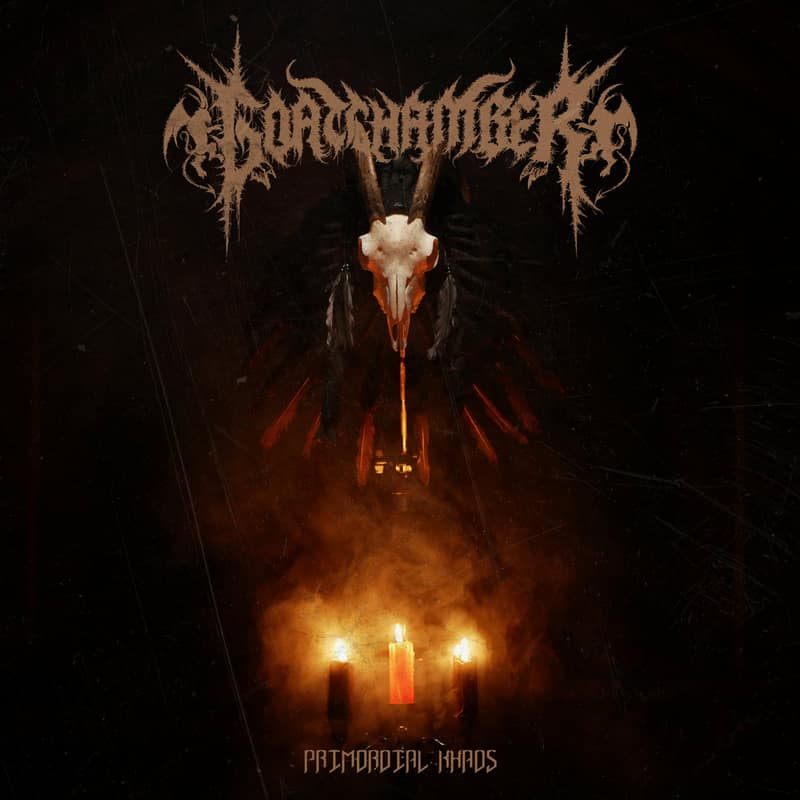
For Ohio's extreme metal underground, this model offers crucial insights into how bands can maintain artistic integrity while accessing professional industry support. Acts like Goatchamber and Nogothula could benefit from understanding how experimental projects secure label interest through combination of established musician involvement and innovative artistic concepts.
The Satanic Planet model also reveals how modern metal careers can incorporate multiple projects and collaborative ventures rather than focusing solely on single band development. This approach could be particularly valuable for Ohio's metal musicians, who often work across multiple bands and projects while maintaining day jobs in the state's diverse economy.
Classical Metal Legacy and Technical Innovation
Megadeth's live debut of their Metallica cover "Ride the Lightning" represents more than nostalgic fan service—it demonstrates how veteran acts are reclaiming their creative contributions to metal history while showcasing their technical evolution. Dave Mustaine's performance of material he co-wrote before his departure from Metallica provides a masterclass in how professional musicians can address historical conflicts through artistic excellence rather than public controversy.
This approach offers valuable lessons for Ohio's 80s metal bands and newer acts inspired by thrash metal's golden era. Bands like Crucified Mortals and Stormchilde can learn from Megadeth's example of how to honor metal's historical legacy while demonstrating contemporary technical proficiency and artistic growth.
The performance also highlights how covers and reinterpretations can serve strategic purposes beyond simple tribute. When executed with technical precision and artistic insight, cover material can demonstrate a band's musical range while connecting with audiences through familiar material, creating entry points for new listeners while satisfying longtime fans.
Professional Development and Ohio Scene Applications
These major announcements collectively reveal how the modern metal industry prioritizes strategic thinking, professional partnerships, and artistic innovation over traditional approaches to band development and career progression. For Ohio's Ohio metal scene, these examples provide multiple pathways for growth and development.
The most successful approaches combine authentic artistic vision with strategic business thinking, whether through touring partnerships, label collaborations, or cross-genre experimentation. Ohio bands have access to diverse musical communities, strong regional venue networks, and increasingly sophisticated recording and production resources that can support any of these development strategies.
Most importantly, these examples demonstrate that modern metal success requires bands to think beyond traditional genre boundaries while maintaining the technical proficiency and artistic commitment that defines the best heavy metal songs and best metal albums of all time. Ohio's metal community is well-positioned to embrace these approaches while maintaining the authentic working-class metal identity that has always defined the state's contribution to heavy music.