Jeffrey Nothing's Return and Italian Death Metal Survival Stories Highlight Metal's Resilience Revolution

Ohio metal royalty is staging a comeback, and it's arriving with the kind of personal transformation stories that define metal's most powerful narratives. After an eight-year absence from the stage, Jeffrey Nothing—co-founding vocalist of Cleveland's industrial metal pioneers Mushroomhead—has announced his return to touring, marking a pivotal moment for Ohio's alternative metal legacy.
Nothing's decision to launch a full U.S. tour represents more than just another comeback story. It signals a broader trend across metal where veteran artists are returning with renewed purpose, often after periods of personal reflection or professional reinvention. His eight-year hiatus from live performance coincides with Mushroomhead's continued evolution, creating an intriguing parallel narrative about artistic independence versus band identity.
Survival Stories Reshape Extreme Metal's Narrative
The metal world's relationship with mortality and resilience is being redefined by stories like that of Francesco Paoli, founder and frontman of Italian symphonic death metal act Fleshgod Apocalypse. Paoli's near-fatal rock climbing accident in 2021, which left him with an estimated 25 broken bones, has become a testament to the genre's fundamental themes of survival and transformation.
These narratives of physical and emotional recovery are resonating deeply within metal communities, particularly among Ohio's extreme metal practitioners. Bands like Suffer, whose death metal and deathcore approach often explores themes of endurance and struggle, find themselves part of a larger conversation about authenticity through adversity.
The connection between personal trauma and artistic output has always been central to metal's appeal, but recent years have seen artists more openly discussing their recovery processes. This transparency is influencing how younger bands approach both their music and their public personas, moving away from manufactured darkness toward genuine vulnerability.
Hardcore's Evolution Through Unexpected Collaborations
Terror's latest album "Still Suffer" exemplifies how hardcore veterans are expanding their sound while maintaining their core identity. The band's collaboration with Chuck Ragan of Hot Water Music on the single "Fear The Panic" demonstrates the genre's increasing willingness to incorporate elements from adjacent scenes without compromising their fundamental aggression.
This collaborative approach reflects a broader shift in hardcore and extreme metal circles, where rigid genre boundaries are becoming less important than authentic artistic expression. Ohio's hardcore and metalcore scenes, anchored by acts like The Devil Wears Prada and Like Moths To Flames, have consistently embraced this cross-pollination approach.
Terror's consistency over nearly two decades provides a blueprint for longevity that many Ohio metal bands are studying. Their ability to maintain their core sound while incorporating new elements suggests that evolution doesn't require revolution—a lesson particularly relevant for regional scenes building sustainable careers.
Veterans Return to Reclaim Creative Control
The announcement of tours and releases from established artists reflects a significant trend toward veteran musicians reclaiming their artistic narratives. After years of industry upheaval, streaming disruption, and pandemic challenges, experienced metal artists are demonstrating renewed confidence in their ability to connect directly with audiences.
Jeffrey Nothing's return exemplifies this phenomenon. Rather than attempting to recapture past glory, his touring announcement suggests an artist ready to explore new creative territory while honoring his legacy. This approach mirrors successful comebacks across the metal spectrum, where authenticity trumps nostalgia.
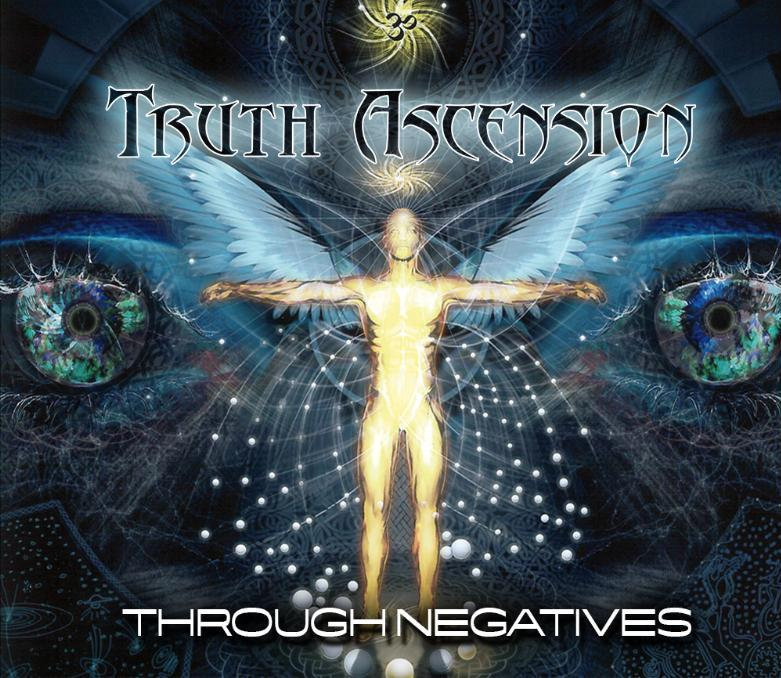
Ohio's metal scene has always valued this kind of artistic integrity, from the industrial innovation of Mushroomhead to the progressive explorations of bands like Truth Ascension. The state's metal community understands that longevity requires constant evolution, making it an ideal environment for veteran artists seeking to reinvent themselves.
Genre Boundaries Dissolve Under Creative Pressure
Recent collaborations and crossover projects highlight metal's increasing genre fluidity. When established hardcore acts like Terror collaborate with punk veterans, and alternative rock pioneers work with pop-punk icons, the resulting music challenges traditional categorization systems that have long defined the scene.
This genre-blending approach is particularly evident in Ohio's diverse metal landscape, where black metal acts like Ashes and Slavehouse operate alongside doom metal pioneers like Threefold Law and sludge metal innovators like Goosed. The state's metal community has always embraced diversity over purity, creating an environment where creative experimentation is encouraged rather than criticized.
The success of cross-genre collaborations suggests that audiences are more interested in authentic artistic expression than rigid adherence to genre conventions. This shift benefits Ohio's metal scene, where many bands have developed hybrid sounds that don't fit neatly into traditional categories.
Digital Recognition Validates Underground Persistence
The achievement of major streaming milestones by various metal acts demonstrates how digital platforms are finally recognizing the genre's sustained popularity. These certifications validate decades of underground persistence, proving that metal's dedicated fanbase translates into measurable commercial success when properly tracked.
For Ohio metal bands, these success stories provide concrete evidence that regional scenes can achieve national recognition through consistent output and fan engagement. The state's metal community has always understood that building a sustainable career requires patience and persistence—qualities that are now being rewarded by industry recognition systems that previously overlooked extreme music.
The democratization of music distribution has particularly benefited Ohio's metal scene, where bands can now reach national audiences without relocating to traditional industry centers. This has allowed acts across various subgenres to maintain their regional identity while building broader fanbases.

Ohio's Metal Renaissance Gains Momentum
The combination of veteran returns, innovative collaborations, and industry recognition creates an ideal environment for Ohio's metal scene to assert its national influence. With established acts like Mushroomhead generating renewed interest and younger bands pushing creative boundaries, the state's metal community is positioned for significant growth.
The resilience demonstrated by artists like Jeffrey Nothing and Francesco Paoli resonates strongly within Ohio's metal culture, where persistence and authenticity have always been valued over flash and trend-following. These qualities are now proving to be exactly what the broader metal scene needs as it navigates an increasingly complex cultural landscape.
As metal bands touring 2026 begin announcing their schedules, Ohio's venues and festivals are likely to benefit from this renewed activity. The state's central location and strong metal infrastructure make it an ideal hub for the kind of touring activity that veteran artists are planning.
The convergence of comeback stories, genre evolution, and industry validation suggests that Ohio's metal scene is entering a period of unprecedented opportunity, where local bands can leverage global trends to expand their reach while maintaining their regional authenticity.