Skid Row's Singer Hunt and Savatage Return Signal Classic Rock's Strategic Reinvention
The metal world is witnessing a fascinating phenomenon as legacy acts navigate modern reinvention through methodical approaches that prioritize sustainability over spectacle. Recent developments from classic rock heavyweights Skid Row and progressive metal pioneers Savatage reveal how veteran bands are embracing strategic patience and selective comeback plans that could reshape expectations for established acts across all metal subgenres.
Skid Row's Revolutionary Approach to Vocalist Selection
Skid Row's ongoing search for a new frontman has taken an unprecedented turn with their partnership with musical equipment giant Sweetwater, marking the first time a major rock band has leveraged retail infrastructure for talent acquisition. This isn't just about finding a voice—it's about reimagining how bands connect with potential members in an era where traditional industry networks have been disrupted by digital transformation.
The band's bassist Rachel Bolan recently confirmed they're "pretty focused in on a couple of guys" but emphasized their commitment to taking time with the decision. This methodical approach stands in stark contrast to the hasty lineup changes that have plagued many veteran acts, suggesting Skid Row understands that their next choice could define their legacy for decades to come.
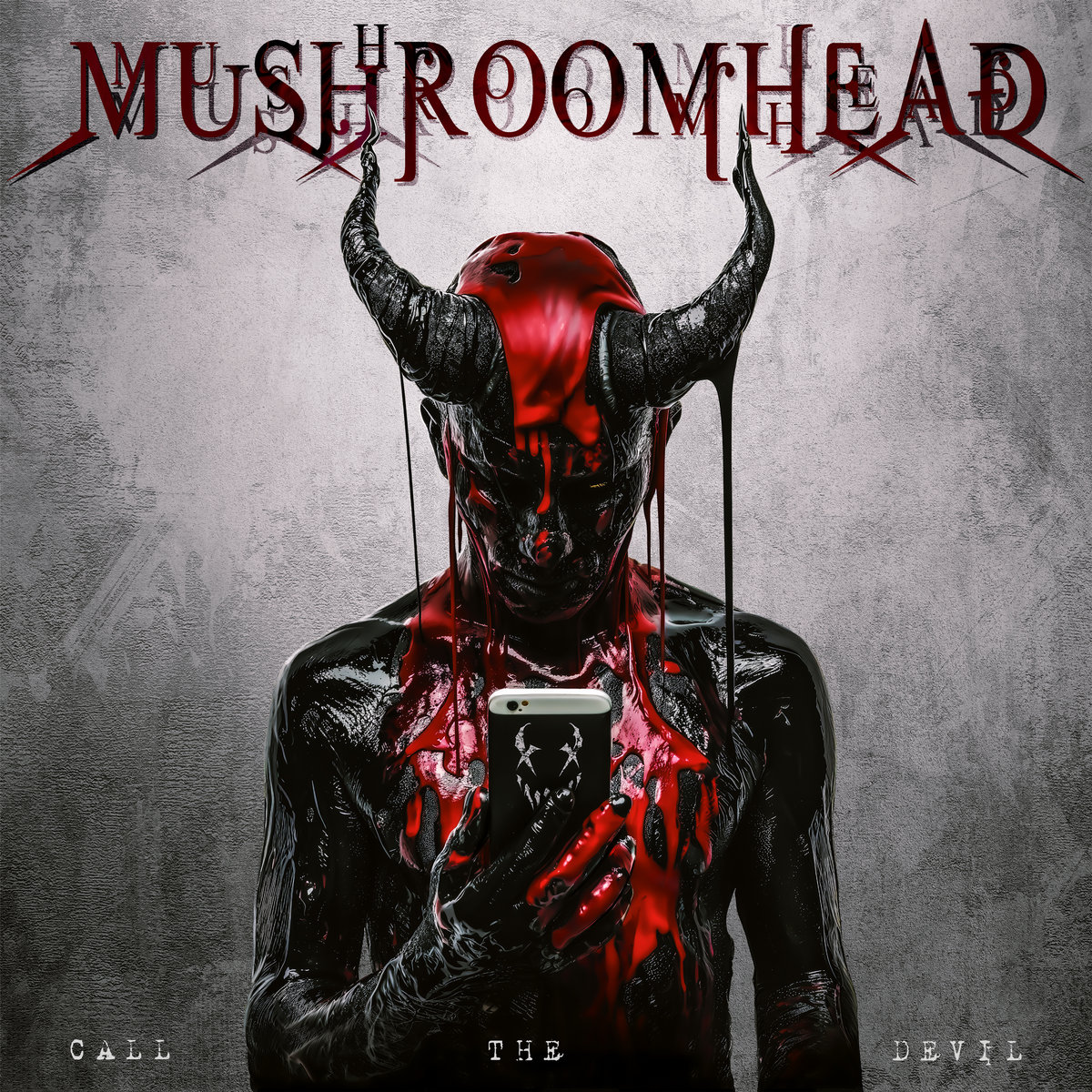
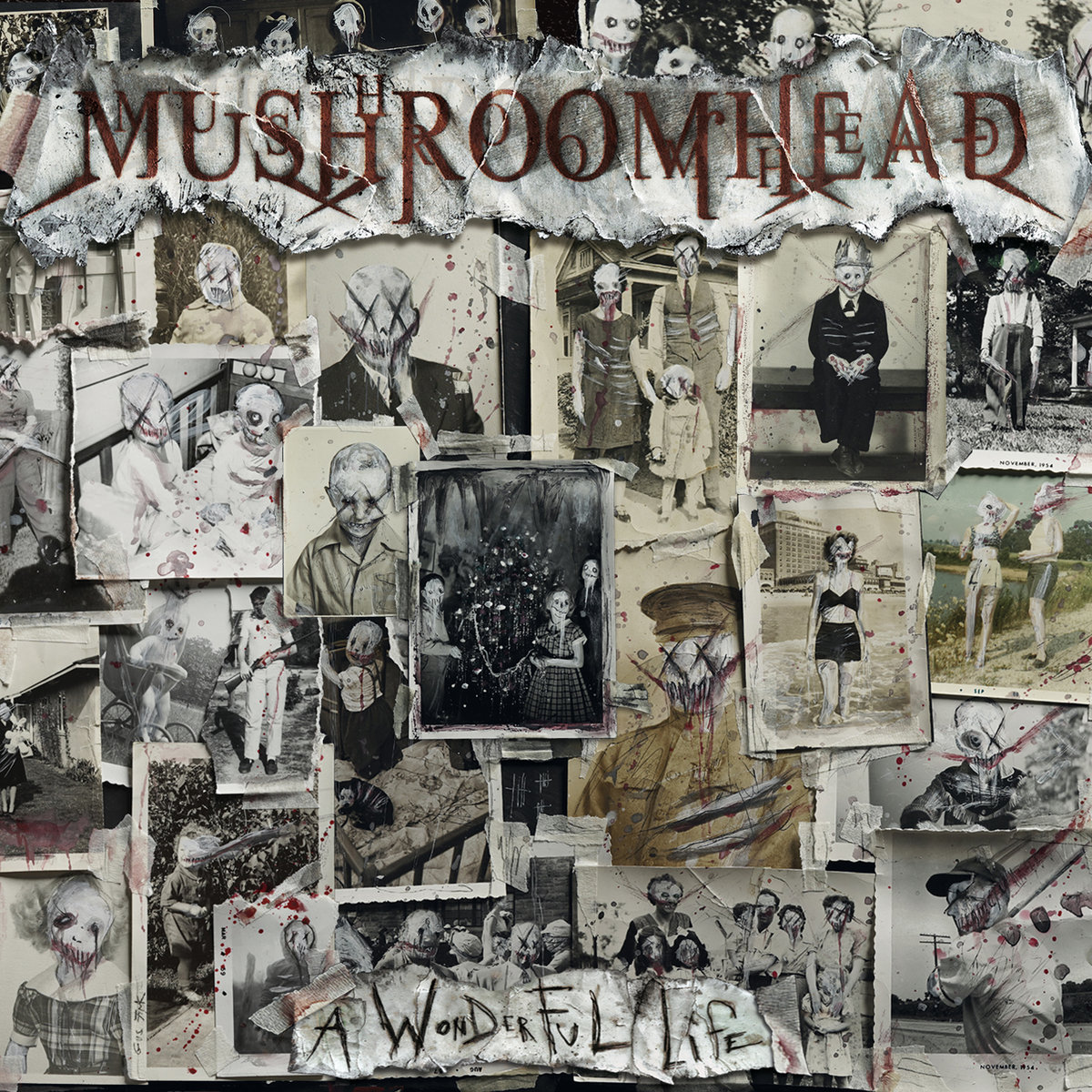
For Ohio's metal scene, this development offers crucial insights. The state's established acts like Mushroomhead have successfully navigated lineup changes throughout their career, proving that strategic personnel decisions can actually strengthen a band's identity rather than dilute it. The Sweetwater partnership model could inspire similar innovative approaches among Ohio's veteran acts seeking new members.
What makes Skid Row's strategy particularly compelling is how it democratizes the audition process. Rather than relying on industry connections or geographic proximity, they're casting the widest possible net. This approach could revolutionize how metal bands touring 2026 and beyond approach recruitment, potentially uncovering talent that traditional methods would never reach.
Savatage's Calculated Return Strategy
Meanwhile, progressive metal legends Savatage are crafting their own strategic comeback narrative. Guitarist Chris Caffery's recent comments about the band's 2025 South American and European performances have generated significant buzz, particularly his hints about eventual U.S. shows. However, his cautious phrasing—"I just don't know exactly when or how"—reveals a band that's learned from decades of industry experience.
Savatage's approach represents a masterclass in managing fan expectations while maintaining creative control. By starting their reunion in markets where their influence remained strongest, they're building momentum organically rather than gambling everything on a massive domestic comeback tour. This measured strategy allows them to refine their performance chemistry and gauge audience response before committing to larger-scale U.S. dates.
The implications for Ohio's progressive and traditional metal scenes are significant. Bands operating in genres that demand technical precision—like the state's own progressive death metal acts—can learn from Savatage's emphasis on preparation over publicity. The message is clear: artistic integrity and careful planning ultimately serve bands better than rushed comebacks designed primarily for media attention.
The Broader Context of Metal's Strategic Evolution
These developments coincide with fascinating creative expansions across the metal landscape. Metal Church's Kurdt Vanderhoof has been exploring scoring work for documentary films, demonstrating how veteran musicians are diversifying their artistic portfolios rather than simply recycling past glories. This creative entrepreneurship offers a blueprint for Ohio's experienced metal musicians seeking to expand their influence beyond traditional album-tour cycles.
The current metal landscape also features intriguing cross-genre collaborations, exemplified by Gerard Way's recent onstage appearance with death metal outfit Frozen Soul. These unexpected partnerships highlight how modern metal values artistic curiosity over rigid genre boundaries, a philosophy that resonates strongly within Ohio's diverse metal community.
For emerging acts, the lesson is equally valuable. Rather than rushing to replicate the career trajectories of 80s metal bands, contemporary groups can study how today's veterans are adapting their approaches to current industry realities. The best death metal bands and thrash metal acts of today understand that longevity requires constant strategic evolution.
Technology's Role in Modern Metal Strategy
Amy Lee's recent observations about information overload in modern society reflect broader challenges facing all metal acts today. Her comments about truth being "for sale" in our current media environment highlight how bands must navigate increasingly complex communication landscapes. Evanescence's upcoming album "Sanctuary" will serve as a test case for how established alternative metal acts can cut through digital noise to reach audiences authentically.
The Ohio metal scene has always prided itself on authenticity over artifice, making Lee's concerns particularly relevant for local acts. Bands like The Devil Wears Prada have successfully maintained genuine connections with fans despite the challenges of social media saturation, proving that sincere artistic communication still resonates with metal audiences.
Lessons for Ohio's Metal Community
The strategic patience demonstrated by both Skid Row and Savatage offers valuable lessons for Ohio's metal bands at all career stages. Rather than rushing major decisions—whether lineup changes, comeback tours, or new album releases—successful acts are prioritizing long-term sustainability over short-term visibility.
This approach aligns perfectly with Ohio's metal heritage, where bands have traditionally emphasized substance over flash. The state's thrash metal and death metal scenes have produced consistently respected acts precisely because they've focused on developing their craft rather than chasing trends.
As we look toward what metal bands are touring in 2026, it's clear that the most successful acts will be those that combine veteran wisdom with strategic innovation. The Ohio metal scene, with its strong foundation of both established and emerging acts, is perfectly positioned to benefit from this shift toward thoughtful career management.
The message emerging from these recent developments is unmistakable: patience, strategic thinking, and authentic artistic vision remain the most reliable paths to sustained success in metal. Whether you're a veteran act planning a comeback or an emerging band building your initial reputation, the current landscape rewards careful planning over hasty decisions.
For Ohio's metal community, this represents both an opportunity and a responsibility. The state's bands have always embodied the work ethic and authenticity that modern metal audiences crave. By studying how veterans like Skid Row and Savatage are adapting their approaches, Ohio's metal acts can position themselves for sustained success in an increasingly complex industry landscape.