200 Stab Wounds Complete Next Album While Terror's Hardcore Collaboration Sparks Debate About Scene Authenticity
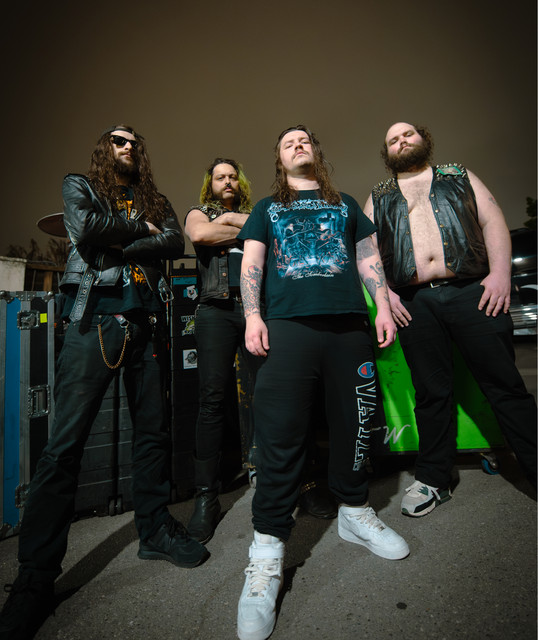
Ohio death metal champions 200 Stab Wounds have wrapped recording on their highly anticipated follow-up album, marking a significant milestone for the Buckeye State's extreme metal scene. While details remain scarce about the Cleveland-area band's sophomore effort, their completion of the recording process positions them at the forefront of what many consider a critical period for American death metal.
The timing couldn't be more strategic. As the broader hardcore and punk scenes grapple with questions of authenticity and cross-genre collaboration—exemplified by Terror's recent partnership with Hot Water Music's Chuck Ragan on their upcoming track "Fear The Panic"—200 Stab Wounds' commitment to their brutal death metal roots offers a stark counterpoint to the experimental tendencies reshaping heavy music.
Cross-Pollination Versus Purity in Modern Extreme Music
Terror's decision to incorporate Chuck Ragan's distinctive folk-punk vocals into their forthcoming album "Still Suffer" represents the kind of genre-blending approach that's increasingly common in today's metal landscape. The collaboration raises fundamental questions about artistic evolution versus scene integrity that resonate deeply within Ohio's tight-knit metal community.
This trend toward cross-genre experimentation extends beyond individual collaborations. Recent commentary from hardcore scene veterans suggests growing tension between traditional scene values and digital-age engagement. The argument that hardcore "doesn't belong in comments sections" reflects broader anxieties about how extreme music maintains its essential character while adapting to modern promotional realities.
For Ohio bands navigating similar choices, these developments highlight crucial strategic considerations. The success of acts like Sanguisugabogg demonstrates that maintaining genre purity can coexist with national recognition, while the experimental approaches of groups across various metal subgenres show alternative paths to relevance.
The Death Metal Renaissance and Regional Significance
200 Stab Wounds' album completion arrives during what many observers consider a renaissance period for death metal. New releases from established acts and emerging talent are reshaping the genre's landscape, with bands pushing technical boundaries while honoring foundational brutality.
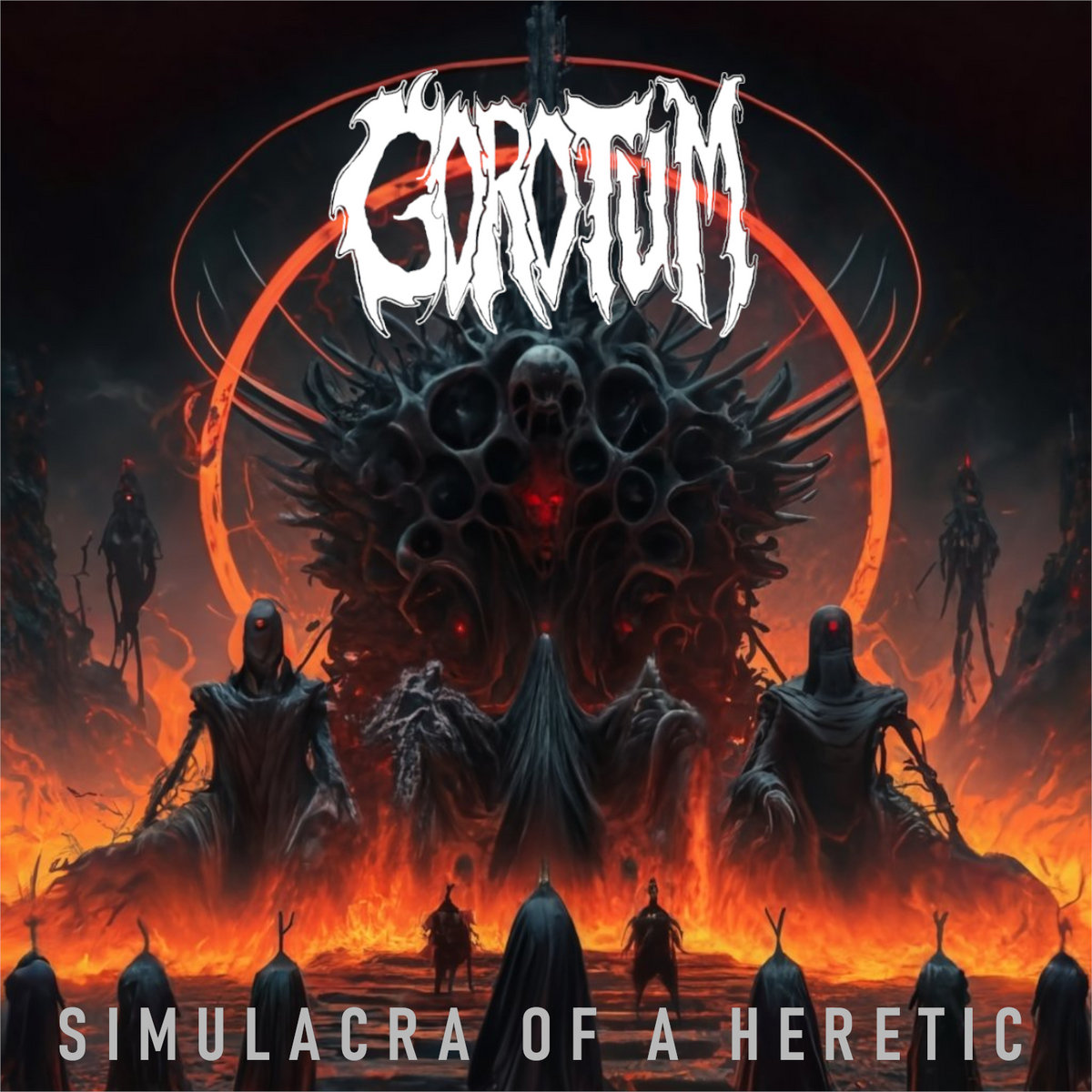
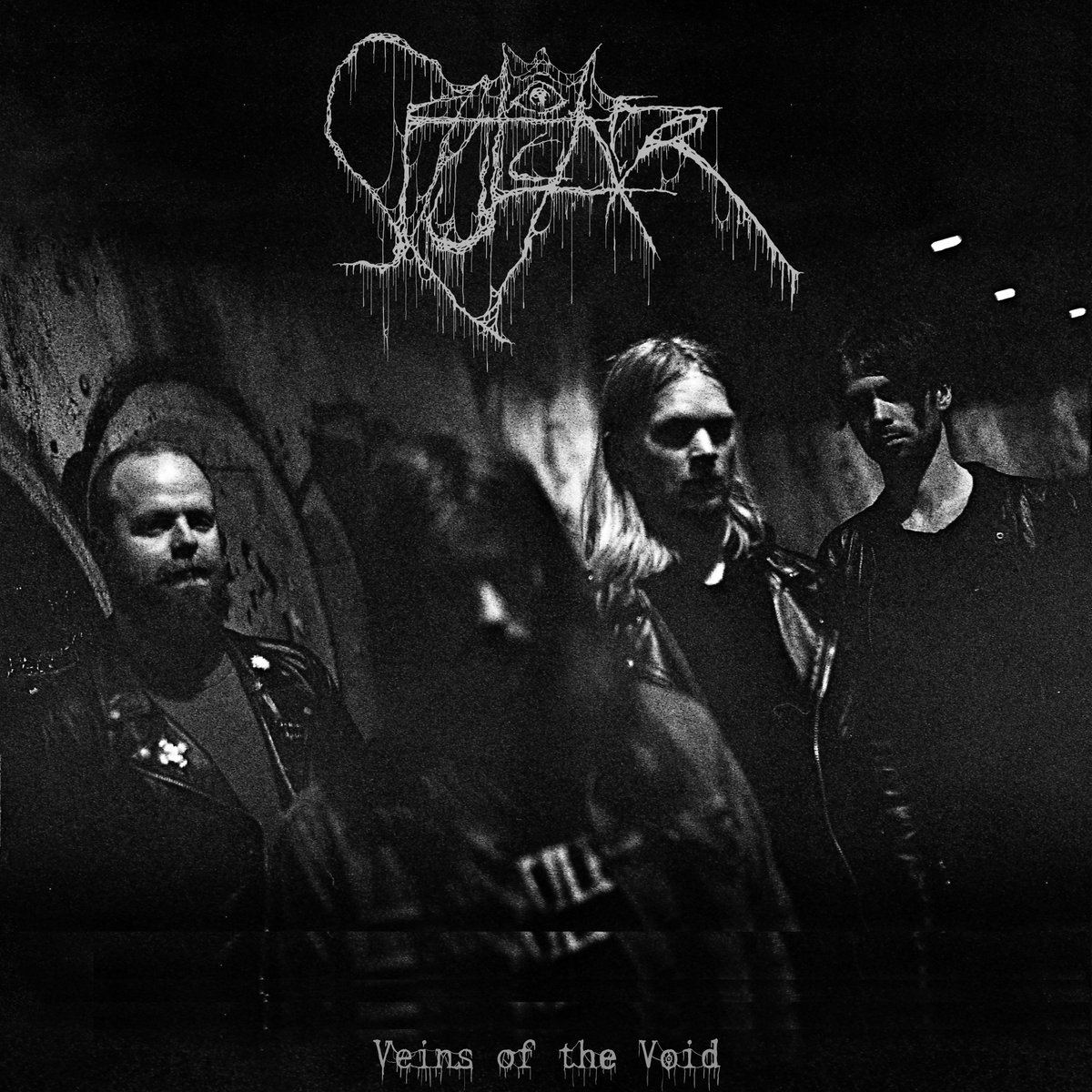
Ohio's contribution to this movement extends well beyond a single band. The state's death metal scene encompasses everything from the slam death metal brutality of Sanguisugabogg to the technical precision of acts like Gorotum and the grindcore-influenced approach of bands such as Sepulcher. This diversity provides a strong foundation for the genre's continued evolution within the region.
The strategic importance of consistent album releases cannot be overstated in today's music landscape. While some bands struggle with lengthy gaps between releases, 200 Stab Wounds' efficient recording process positions them to maintain momentum and capitalize on their growing recognition within extreme metal circles.
Industry Dynamics and Touring Considerations
The completion of recording represents only the first phase of a complex release cycle. Current industry dynamics, including touring logistics and promotional strategies, significantly impact how bands translate studio success into career advancement.
Recent touring announcements from major acts like The Devil Wears Prada—who are heading to Europe this fall—demonstrate the international opportunities available to bands with strong regional foundations. For Ohio acts, establishing local dominance often serves as a launching pad for broader geographical reach.
The relationship between regional scene strength and national breakthrough opportunities has never been more apparent. Ohio's established venues, supportive fan base, and interconnected band networks create ideal conditions for acts like 200 Stab Wounds to build sustainable careers in extreme metal.

Authenticity Debates and Digital Age Challenges
The ongoing discussion about hardcore's relationship with digital platforms reflects broader questions facing all extreme music genres. Comments about scenes not being "meant to exist online" highlight tensions between traditional community-building approaches and modern promotional necessities.
For death metal bands, these considerations often involve different priorities than hardcore acts. Technical showcases, studio performance videos, and detailed production discussions tend to translate more effectively to digital formats than the raw energy that defines hardcore's essential character.
Ohio's metal scene benefits from this digital adaptability while maintaining strong offline community connections. Local shows remain central to scene vitality, but online engagement helps bands reach audiences beyond immediate geographical boundaries.
Looking Forward: Release Strategies and Scene Development
As 200 Stab Wounds prepares for their album's eventual release, their approach will likely influence strategies employed by other Ohio extreme metal acts. The balance between maintaining artistic integrity and achieving broader recognition represents a crucial challenge for emerging bands.
The broader metal landscape's current state of flux creates opportunities for bands willing to commit fully to their chosen aesthetic. While genre-crossing experiments attract attention, there remains significant demand for bands that excel within established parameters.
Ohio's metal scene stands well-positioned to capitalize on these dynamics. The state's combination of established acts, emerging talent, and supportive infrastructure provides multiple pathways for bands to develop sustainable careers in extreme music.
The completion of 200 Stab Wounds' recording sessions marks more than a single band's progress—it represents the continued strength of Ohio's commitment to authentic, uncompromising extreme metal. As debates about scene authenticity and cross-genre experimentation continue, the Buckeye State's metal community demonstrates that regional scenes can maintain their essential character while contributing meaningfully to genre evolution.
For bands considering their own approaches to recording, collaboration, and scene engagement, the current landscape offers multiple viable strategies. The key lies in understanding which approach aligns with artistic vision and career goals, whether that means embracing experimentation or doubling down on genre fundamentals.