DevilDriver's Groove Metal Blueprint and Supergroup Formations Reveal Traditional Metal's Strategic Evolution
DevilDriver's announcement of their eleventh studio album "Strike and Kill" alongside the formation of hard rock supergroup ICONIC demonstrates how traditional metal veterans are strategically evolving their sound and partnerships to maintain relevance in 2026's competitive landscape. These developments offer crucial insights for Ohio's established metal acts navigating similar creative crossroads.
DevilDriver's Relentless Album Cycle Philosophy
With "Strike and Kill" set for July release via Napalm Records, DevilDriver continues their philosophy of consistent output that has kept them relevant in groove metal's evolving landscape. The band's approach of maintaining an all-star lineup featuring mastermind Dez Fafara alongside virtuoso guitarists Alex Lee and Gabe Mangold represents a blueprint that Ohio's groove metal acts could study closely.
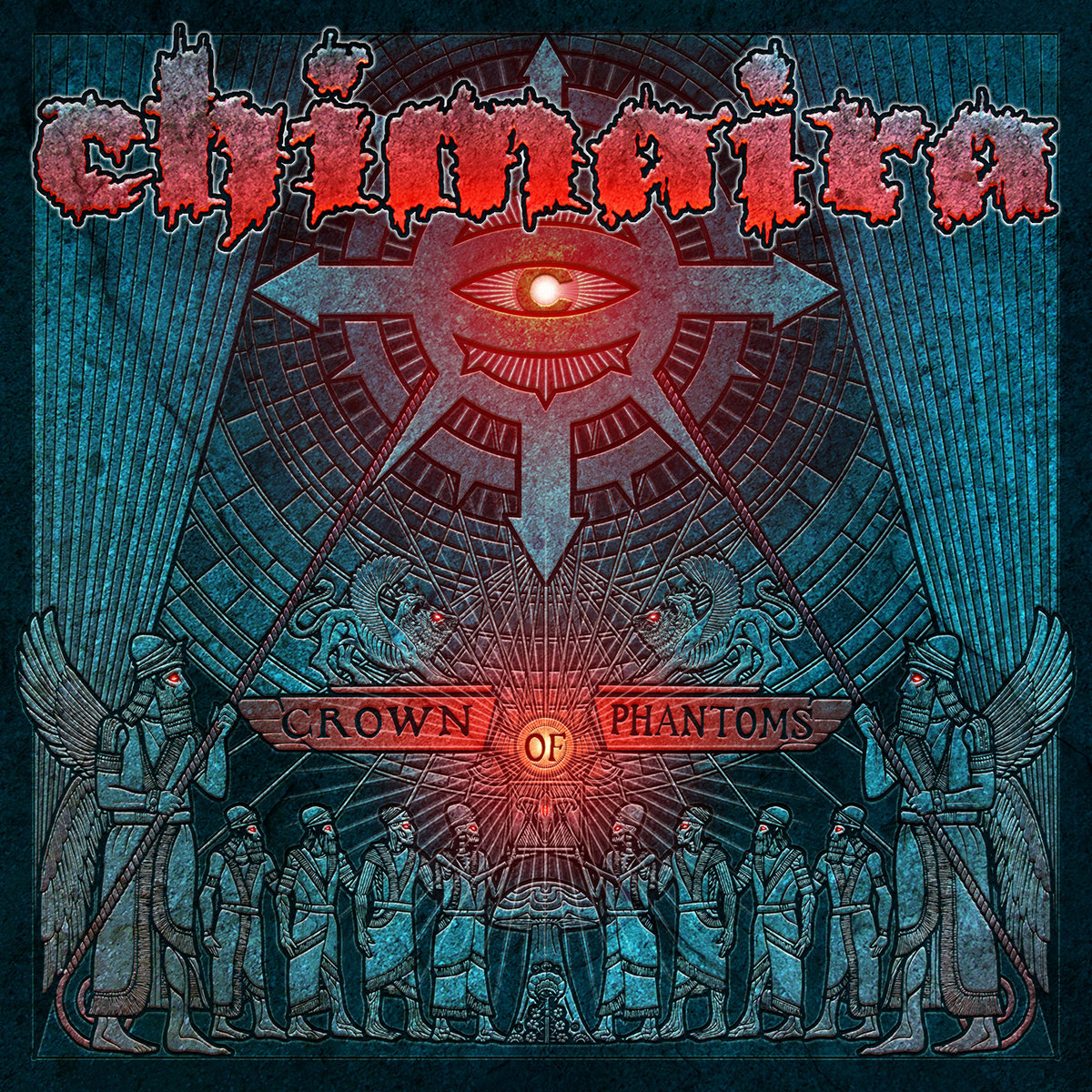
This relentless album cycle approach particularly resonates with Ohio's metal scene, where bands like Chimaira have demonstrated similar longevity through consistent creative output and strategic lineup evolution. The groove metal foundation that both DevilDriver and Chimaira represent shows how traditional metal elements can evolve without abandoning core identity.
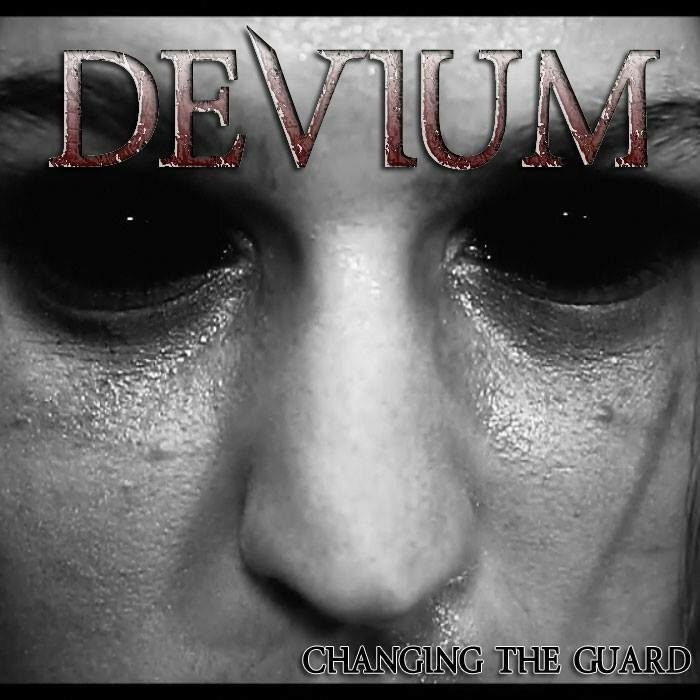
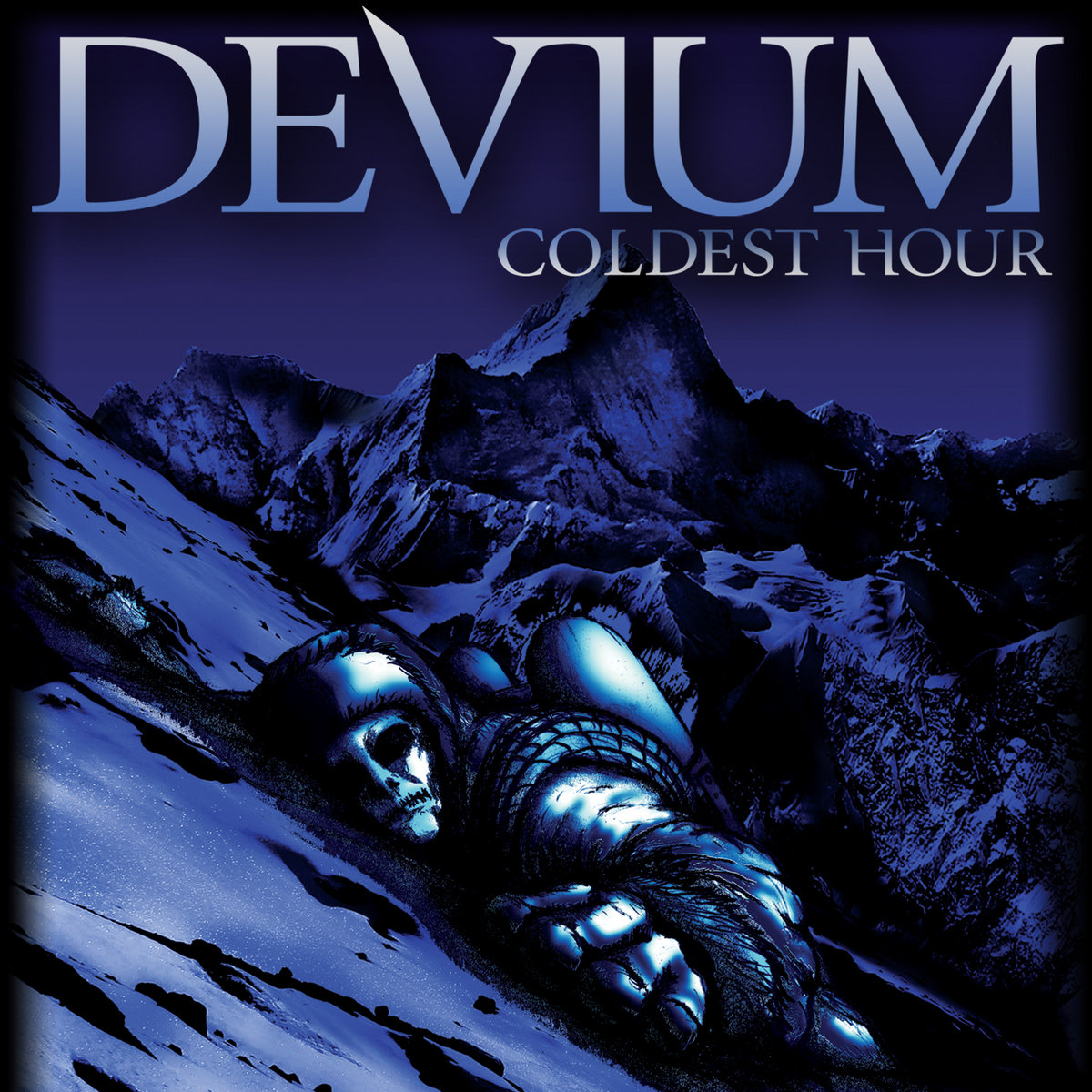
For emerging Ohio groove metal acts like Devium, DevilDriver's model of combining established leadership with fresh musical partnerships offers a roadmap for sustainable career development. The key lies in balancing creative renewal with the foundational elements that define the genre.
Supergroup Strategy and Cross-Pollination Benefits
ICONIC's formation, featuring Michael Sweet of STRYPER, Joel Hoekstra of WHITESNAKE, and veterans Marco Mendoza and Tommy Aldridge, represents a strategic approach to supergroup creation that transcends typical all-star project limitations. Their upcoming "II" album demonstrates how experienced musicians can leverage decades of individual success into collaborative ventures that serve multiple career objectives.
This supergroup model holds particular relevance for Ohio's metal scene, where veteran musicians from different projects could benefit from similar collaborative approaches. The cross-pollination of musical ideas and fan bases that supergroups facilitate can rejuvenate careers while introducing traditional metal sounds to newer audiences.

Ohio heavy metal veterans like Stryker could particularly benefit from studying ICONIC's approach to balancing individual musical identities within a collaborative framework. The power metal foundation that both projects share demonstrates how traditional metal elements remain vital when presented through strategic partnerships.
Anniversary Culture and Legacy Preservation
Slayer's 40th anniversary reissue of "Hell Awaits" through Metal Blade Records represents more than nostalgia marketing—it demonstrates how best metal albums of all time continue generating revenue and fan engagement decades after release. The three-LP vinyl box set format acknowledges both collector culture and the tactile experience that digital music cannot replicate.
This anniversary approach offers valuable lessons for Ohio metal bands with substantial back catalogs. The key lies in understanding which releases warrant special treatment and how to package legacy material in ways that serve both longtime fans and newer listeners discovering the music for the first time.
For Ohio's thrash metal heritage, including acts like Angelrust, Slayer's approach to anniversary celebrations provides a template for honoring regional metal history while generating renewed interest in classic Ohio extreme metal releases.
Drummer Circulation and Scene Connectivity
The musical chairs of high-profile drummers—from Eloy Casagrande's move from Sepultura to Slipknot to Greyson Nekrutman stepping into Sepultura for their farewell tour—highlights how interconnected the global metal scene has become. These moves create ripple effects that influence regional scenes and demonstrate the importance of maintaining professional networks.
Former Megadeth drummer Shawn Drover's guest appearances with Accept for their 50th anniversary shows further illustrates how veteran musicians leverage relationships built over decades of touring and recording. This interconnectedness benefits metal bands touring 2026 by creating opportunities for guest appearances and collaborative projects.
Ohio metal drummers can learn from this circulation pattern by maintaining connections across different regional scenes and being prepared to step into opportunities when they arise. The professionalism required to seamlessly transition between major acts demands both technical skill and adaptability.
Cross-Generational Collaboration Opportunities
John Bush's vision for special Anthrax shows featuring multiple vocalists from different eras demonstrates how established bands can honor their complete history while creating unique live experiences. This approach acknowledges that bands evolve through different personnel while recognizing each era's contributions to their legacy.
Such cross-generational approaches could particularly benefit Ohio metal acts with lengthy histories and former member networks. Rather than viewing lineup changes as obstacles, bands can reframe them as opportunities for special events that celebrate their complete evolutionary journey.
The model also suggests opportunities for Ohio metal festivals to program special collaborations that might not happen elsewhere, potentially attracting national attention to regional events and strengthening the state's reputation as a metal destination.
Regional Scene Implications and Strategic Takeaways
These national developments create a competitive environment where Ohio metal acts must think strategically about differentiation and professional development. The combination of consistent output, strategic partnerships, legacy preservation, and professional networking represents a comprehensive approach to metal career management.
For Ohio's doom metal community, including acts like Tomorrow and Three, these industry trends suggest opportunities to leverage the genre's growing popularity while maintaining artistic integrity. The key lies in understanding how traditional metal elements can be preserved while embracing modern production and marketing approaches.
The success of established acts like DevilDriver and supergroups like ICONIC demonstrates that there remains significant audience appetite for well-executed traditional metal when presented professionally. This creates opportunities for Ohio acts willing to invest in high-quality production and strategic career planning.
Looking Forward: Ohio's Metal Evolution
As the metal landscape continues evolving, Ohio's scene benefits from studying these national trends while maintaining focus on regional strengths. The state's combination of urban metal scenes and strong musical infrastructure positions local acts to capitalize on the strategic approaches demonstrated by touring veterans and supergroup formations.
The emphasis on consistent output, professional networking, and strategic collaboration offers a roadmap for Ohio metal acts seeking to expand beyond regional recognition. Success requires balancing respect for metal tradition with adaptability to industry changes and audience evolution.
These industry developments suggest that 2026 will reward metal acts that combine musical excellence with strategic thinking, professional networking, and respect for the genre's heritage while remaining open to creative evolution and collaborative opportunities.