Small Stages, Real Talk: What Corey Taylor's Vegas Gig and Forbidden's Lineup Shuffle Mean for Ohio's Heavy Metal Grind
There's a peculiar kind of honesty that happens when a band or artist who normally fills arenas decides to book a room the size of your average VFW hall. This week's national metal news is full of it — and if you squint, you can see Ohio's own club-level scene reflected right back at us.
The Intimate Show Isn't a Gimmick Anymore
Corey Taylor just announced an "intimate show" at Fremont Country Club in Las Vegas for October 18, following up on what he called his first proper acoustic solo gig in over three years back in March. Meanwhile, Anthrax slotted a full-blast club set at the Roxy in West Hollywood in between two arena dates opening for Iron Maiden. These aren't publicity stunts — they're a reminder that even the biggest names in metal still crave, and need, the sweaty, no-barricade energy of a small room.
That's the exact energy that keeps Ohio's scene alive week to week. Every touring legend doing a "back to basics" gig is implicitly validating what bands here have been doing forever: playing to 150 people in a converted warehouse or a bar with a plywood stage because that's where the real connection happens. If you want to feel that energy firsthand instead of just reading about Vegas or West Hollywood, check the upcoming shows calendar — Ohio's basements and clubs are doing this every single weekend, no ticket presale codes required.
Forbidden's Lineup News Hits Close to Home
Bay Area thrash institution Forbidden made headlines this week for a less glamorous reason: guitarist Craig LoCicero explained that bassist Matt Camacho and drummer Chris Kontos are sitting out the band's fall 2026 tour with Heathen and Void because they've got "real-life s*** to deal with." It's a blunt, refreshingly honest admission that even a band with a four-decade thrash pedigree isn't immune to the fact that most metal musicians also have jobs, families, mortgages, and medical bills.
Ohio thrash bands know this reality better than almost anyone. There's no major-label safety net keeping a regional thrash outfit on the road — it's day jobs, borrowed vans, and weekend warehouse gigs squeezed between shifts. Columbus/Ohio thrash unit SSA operates in exactly that world, grinding out riffs and building a following the hard way, the same way Forbidden did back before they were a "legacy" act. The lesson from LoCicero's comments isn't that thrash is fragile — it's that thrash has always survived on the backs of people who show up anyway, tour rosters be damned.
The 80s Metal Machine Keeps Turning Over
Speaking of survival: Ritchie Blackmore's account of his onstage Deep Purple reunion at Jones Beach — he said the crowd reaction was like he'd "invented the cure for cancer" — and Poison drummer Rikki Rockett's reflection on the "synergy between the four of us" both point to the same phenomenon dominating rock media right now. The 80s metal bands that built the genre's commercial peak are still the ones generating headlines, decades removed from their chart-topping years, because the chemistry (and the mythology) never really faded.
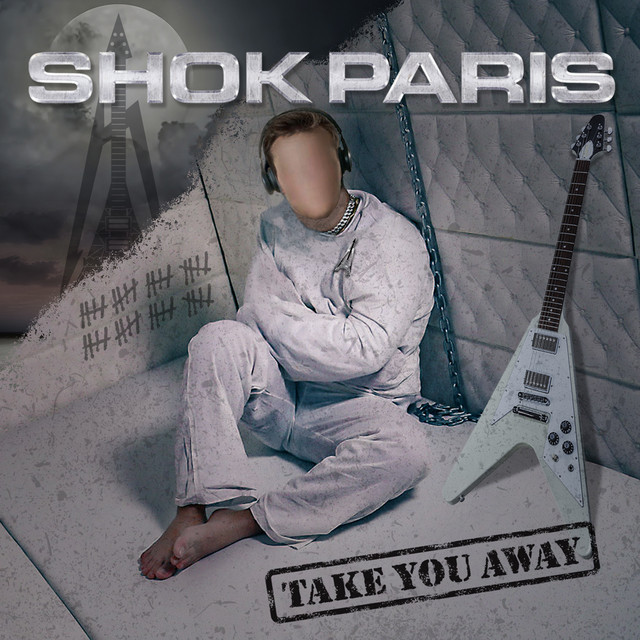
Ohio has its own claim to that era. Cleveland's own Shok Paris came up in that same 80s heavy metal and power metal wave that produced Poison and countless other bands now doing legacy victory laps, and the region's traditional metal lineage runs deep enough that it still shapes what gets written and played here today. That thread runs straight into the current NWOTHM (New Wave of Traditional Heavy Metal) revival, which — despite plenty of great bands — remains criminally under-covered locally. Ohio heavy metal and progressive act Arena is carrying that torch right now, channeling the same riff-first, no-frills songwriting that made bands like Poison and Deep Purple gateway drugs for entire generations of metalheads. If you're building a list of the best metal bands to check out in the Ohio underground and you haven't looked into the NWOTHM contingent yet, that's a gap worth closing.
It's not just the straight-up traditionalists carrying that DNA, either. Ohio doom outfit Three works in that same heavy-metal lineage while dragging the tempo down into doom territory — proof that the riffs Blackmore and his generation planted decades ago keep sprouting in unexpected genres. When people talk about the best heavy metal songs of all time, they're usually talking about tempo and swagger; Three takes that same swagger and lets it crawl instead of sprint.
Box Sets, Bracelets, and the Cost of Nostalgia
Megadeth's $500 "Peace Sells... But Who's Buying?" 40th anniversary briefcase edition is generating exactly the kind of skepticism you'd expect. Fans aren't exactly lining up to celebrate a half-grand collectible, and it raises a fair question about who these deluxe packages are actually for. Compare that to the DIY reality most Ohio bands live in — recording an EP on a shoestring budget, pressing a hundred cassettes, and hoping the merch table covers gas money home. The gulf between a $500 briefcase and a band passing a tip jar at a basement show is the entire story of where metal's money actually lives right now, and it's not in Ohio's underground. If anything, that gap is a reminder to put your dollars toward the bands actually building something in real time — buy the shirt, grab the vinyl, show up to the show.
Remembering GWAR's Chuck Varga
Sad news broke this week with the passing of GWAR co-founder Chuck Varga, known to generations of fans as the Sexecutioner, at age 68. GWAR's theatrical, blood-soaked chaos has influenced extreme and shock-rock acts far beyond Richmond, and anyone who's ever caught a costumed, over-the-top metal show in Ohio owes some small debt to what Varga and his bandmates built. Rest in power.
Reunions, Guest Spots, and the Bigger Picture
Elsewhere, Pearl Jam pulled a surprise set at Ohana Festival with Eddie Vedder and Mike McCready, Soundgarden's surviving members reunited with Taylor Momsen for a Seahawks halftime show, and Corey Taylor turned up alongside Geezer Butler, Nuno Bettencourt, and Matt Sorum for a filmed "Paranoid" performance at the Sound & Vision Awards. It's a stretch of headlines dominated by surviving members honoring what came before them — bands that lost pieces of themselves finding ways to keep playing the songs that mattered.
That instinct — keep the songs alive even when the lineup changes — is baked into Ohio's scene too. Bands here rotate members, take breaks for "real-life" reasons just like Forbidden's rhythm section, and keep coming back. It's less about legacy and more about stubbornness, which might be the single most metal trait there is.
What This Means Heading Into 2026
Between intimate club shows validating small-venue culture, thrash veterans being honest about the toll of touring, and 80s icons still headlining festivals decades later, the throughline for the Ohio metal scene is clear: sustainability matters more than spectacle. As we look at metal bands touring 2026 and the new metal bands 2026 will inevitably bring, Ohio's strength has never been about box sets or arena reunions — it's about bands like SSA and Three putting in the work on stages that don't need a briefcase edition to matter.
If you're in a band making noise anywhere in Ohio's metal, punk, or heavy underground and you haven't gotten on our radar yet, now's the time — submit your band and let's get you documented alongside the rest of this scene's history in the making.