Cleveland Loses a Punk Forefather as Thrash's Old Guard Reminds Ohio Where the Fire Started
Some weeks in metal and punk news hit close enough to home that you have to sit with them before you can write a word. This is one of those weeks. Cheetah Chrome, co-founder of the Dead Boys — the band that helped invent American punk out of a scuzzy Cleveland rehearsal space in 1975 before terrorizing CBGB alongside the Ramones and Talking Heads — died Sunday, September 13, at the age of 71. His bandmates put it about as well as anyone could:
"Cheetah was a true original, an architect of American punk rock, a one-man hurricane tearing up the musical landscape with his feral guitar riffs and manic energy."
It's worth pausing on the geography here. Long before anyone in Ohio was arguing about whether death metal or deathcore or NWOTHM deserved more coverage, there was a scrappy Cleveland guitar player helping light the fuse on an entire genre. Cheetah Chrome's playing was filthy, urgent, and completely unconcerned with technical perfection — a blueprint that, whether they know it or not, every thrash, hardcore, and crossover band grinding it out in a basement in Akron or Columbus tonight is still working from. The Ohio thrash outfit SSA and every other band on this state's circuit owes something, even indirectly, to that first wave of Ohio bands who decided speed and aggression were more important than polish.
Mustaine's New Big Four and the Thrash Torch Ohio Still Carries
In a much lighter but still telling story, Megadeth's Dave Mustaine used a recent interview to name his version of a "new Big Four" of thrash metal — tempering expectations by noting it "wouldn't be a young generation." It's a very Mustaine thing to say: half provocation, half history lesson, and it lands at an interesting moment for the genre. Thrash has never really gone away, but it has spent the last decade being kept alive as much by regional scenes as by the bands that made MTV nervous in 1986.
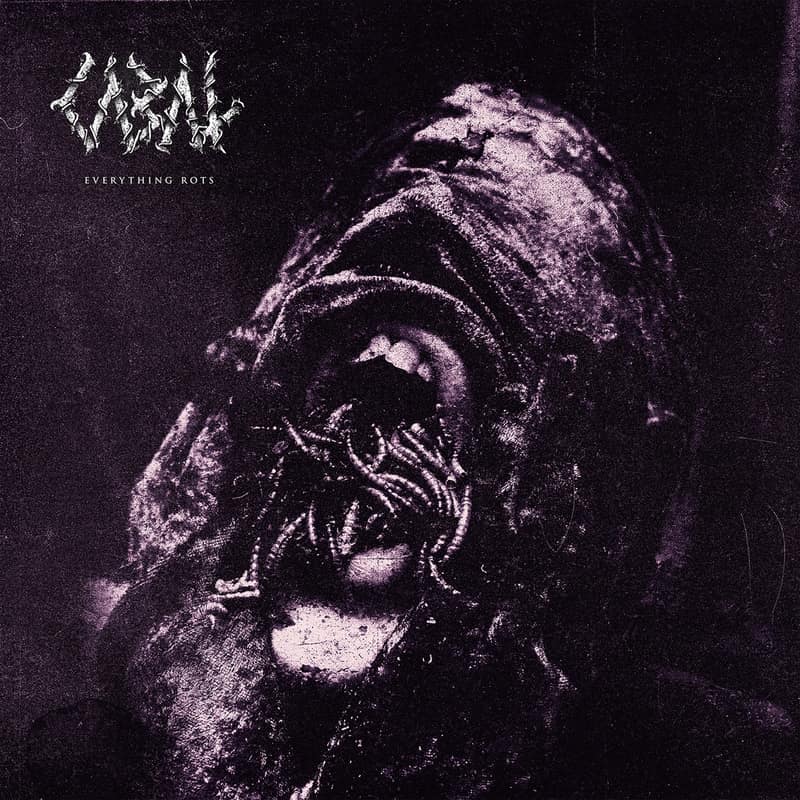
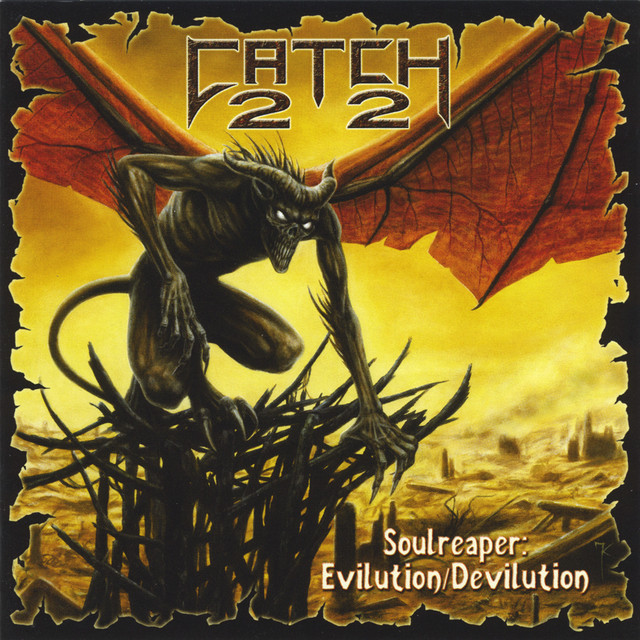
That's exactly the lane Ohio thrash has occupied for years. SSA keeps that riff-first, no-frills thrash tradition running in the state, and they're not alone — Catch 22 and Cabal both draw from that same well of tightly wound, aggressive songwriting that made the original Big Four a household phrase among metalheads in the first place. If Mustaine's comments do anything locally, they should be a reminder that Ohio's thrash scene isn't just riding coattails — it's part of the reason the genre has stayed durable enough for a guy like Mustaine to keep having these conversations forty years later.
ProgPower USA and the Case for Ohio's NWOTHM Underground
Speaking of durability: ProgPower USA just confirmed a stacked 2027 lineup out of Atlanta featuring Nevermore, Metal Church, Masterplan, Lynch Mob, and Eluveitie. That's a lineup built almost entirely on bands who came up in the '80s and '90s and simply never stopped — traditional heavy metal and power metal acts whose entire existence argues that riffs and vocal melody don't have an expiration date.
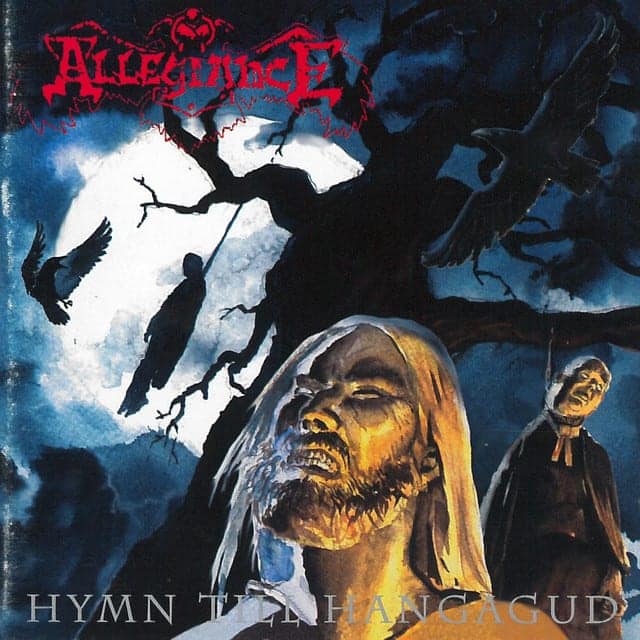
That matters for Ohio because the New Wave of Traditional Heavy Metal has quietly become one of this state's more interesting undercurrents, even if it doesn't get the column inches death metal or deathcore do. Bands like Tilt and Stealth are working the same vein Metal Church and Lynch Mob helped carve out decades ago — big hooks, twin-guitar interplay, no apology for wanting to headbang instead of blast-beat. Allegiance pulls that same NWOTHM DNA into more symphonic and black metal territory, proof that the traditional metal revival isn't a museum piece here, it's actively being reshaped. If you're building a mental list of the best metal bands carrying that torch into 2026 and beyond, don't sleep on what's happening in this state's basements and small clubs — it's the same spirit that keeps ProgPower's bill full of bands who should, by all logic, have retired years ago.
Legacy Rockers Keep Reinventing Themselves
Elsewhere on the road, Chad Gray is thirty years deep into a career that spans Mudvayne and Hellyeah, and footage from his September 11 Boston stop on the "30 Years of Madness" tour shows exactly why that catalog still holds up live. It's a genuinely impressive run for a frontman whose voice has anchored two very different flavors of heavy music without ever softening. Meanwhile Asking Alexandria's Danny Worsnop announced a re-recorded version of his single "Ain't No Use," leaning further into the gravel-and-twang country-rock sound he's been cultivating outside the metalcore world — proof that plenty of heavy music veterans are refusing to stay in one lane.
That kind of genre-crossing has deep roots in Ohio too. Cleveland's own Filter, the alternative metal and industrial rock project built around Richard Patrick, has spent three decades doing exactly this kind of boundary-blurring — folding industrial texture into radio-ready alt-metal songwriting long before "genre-blending" became a marketing buzzword. When you look at how many artists this week are being celebrated for refusing to sit still — Worsnop's country pivot, Gray's dual nu-metal legacies — it's worth remembering Ohio had its own version of that restlessness running through the alternative and industrial metal underground for years.
Quick Hits From the Road and the Studio
A few more items worth a mention for anyone tracking the broader touring and health news around the genre this week. Buckcherry guitarist Stevie D. spoke publicly for the first time about the deadly multi-vehicle crash involving the band's tour bus in South Carolina on August 21, a sobering reminder of the real physical toll touring life exacts on bands crisscrossing the country — something every band grinding through 2026's brutal touring schedules, from arena headliners down to Ohio's DIY circuit, understands all too well.
Last in Line bassist Phil Soussan gave an encouraging update on the band's search for a new vocalist following Andrew Freeman's departure, saying it "looks very, very promising" that a replacement has been found — welcome news for fans of a band carrying forward Ronnie James Dio's legacy. Dutch guitarist Adrian Vandenberg announced he's "completely healed" after a recent bacterial infection scare, a relief for Whitesnake and solo-era fans who watched that story develop over the past week.
On the bigger stages, My Chemical Romance hinted at a new album and brought out King Diamond during a San Antonio show — Gerard Way's "finally, some real royalty in the house" line already making the rounds — while Spiritbox gave their new single "Mourning" its live debut at the kickoff of their European and UK tour run. Primus bassist Les Claypool also offered warm words about new drummer John Hoffman, who beat out more than 6,100 applicants in the band's now-famous global audition search. And in hardcore circles, Sick of It All confirmed they're working to continue on as a band per the late Lou Koller's wishes, a quietly emotional development for a scene that has leaned on that band's resilience for over three decades.
What It All Means Locally
None of these stories happened in Ohio this week, but every single one of them threads back to something this state's scene has been building on for fifty years — the willingness to blend genres, to keep touring through adversity, to honor the elders while making room for something new. Cheetah Chrome's death is a genuine loss, but it's also a reminder that Ohio has always punched above its weight in shaping heavy music's DNA, from Cleveland punk clubs in the '70s to the thrash, NWOTHM, and industrial metal scenes still thriving here in 2026.
If your band is part of that lineage — whether you're chasing the ghost of the original Big Four, channeling ProgPower-style traditional metal, or blending genres the way Filter has for thirty years — submit your band to get on our radar, and check upcoming shows to see who's carrying this torch through Ohio clubs this month.