Monolithic Sounds: What Moonspell's 'Irreligious' at 30 Says About Ohio's Own Monolith — and the Rest of Metal's Long Game
Every so often an album title becomes prophecy. When Moonspell dropped Irreligious in 1996, nobody could have guessed the record would still sound as gloomy and monolithic three decades later — but here we are, and the word "monolithic" is doing a lot of work this week in metal news. It's also, coincidentally or not, the name of one of Ohio's most interesting extreme metal exports. Let's talk about legacy, longevity, and what the current wave of national metal headlines means for the Buckeye State's underground.
Irreligious, Monolith, and the Gothic-Death Thread Running Through Ohio
Moonspell's Irreligious didn't just define the Portuguese gothic metal legends — it became them, a record so complete and atmospheric that it still gets pulled out as a reference point for anyone trying to marry doom, death, and gothic theatrics into something coherent. That kind of genre-blending isn't foreign territory here in Ohio. Take Monolith, the Ohio black metal, death metal, and thrash metal outfit whose name practically answers Moonspell's legacy with a nod. Bands working across black, death, and thrash lines have always had to figure out how to make disparate ingredients feel like one unified, crushing sound rather than a checklist of subgenres, and that's exactly the trick Moonspell pulled off on Irreligious. If you're compiling a list of the best metal albums of all time and gothic-tinged death metal is your lane, that record belongs on it — and it's worth remembering Ohio has its own lineage of bands chasing that same weight and atmosphere.
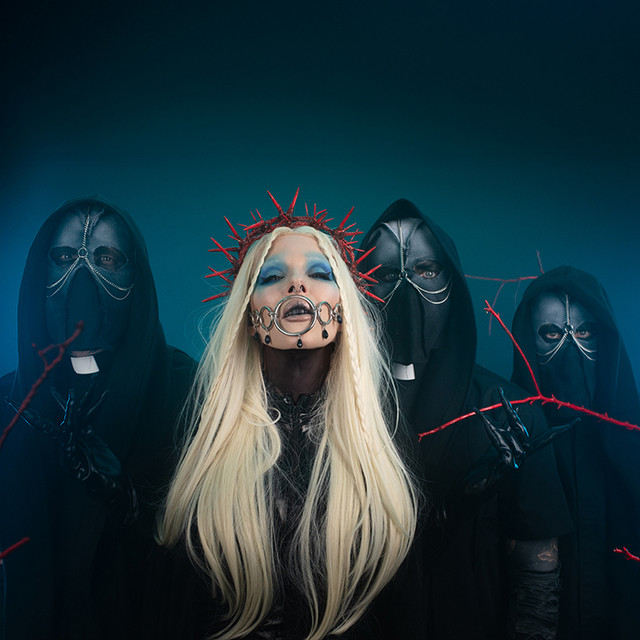
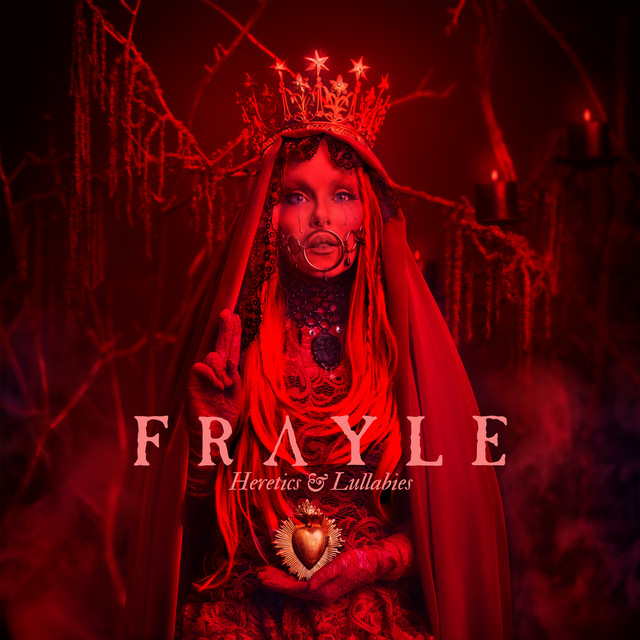
It's not just Monolith. Cleveland's own doom and gothic metal act Frayle has built a reputation on exactly this kind of heavy, hypnotic atmosphere — proof that the gothic-doom sensibility Moonspell perfected in the mid-'90s still has fertile ground to grow in right here in Ohio. When a thirty-year-old record still sounds vital, it's usually because the ideas underneath it were never trend-dependent. That's a lesson worth internalizing for anyone in the Ohio metal scene chasing a sound rather than a moment.
AI, Production, and the Human Element Debate
Meanwhile, the conversation around how metal gets made keeps evolving. Rainbow and Michael Schenker vocalist Ronnie Romero waded into the AI-in-music debate this week with a measured take that's worth sitting with:
AI is an incredible tool, but technology will never be able to completely replace the human element.
That's a reasonable middle ground, and it lands at an interesting moment — the same week deathcore act O.N.I. unveiled a Jordan Fish-produced cover of R.E.M.'s "Losing My Religion" ahead of their early 2027 album. Fish, best known for his work shaping Bring Me The Horizon's more experimental textures, represents exactly the kind of high-tech, high-gloss production that Romero's comments are implicitly weighing against pure human feel. For Ohio bands recording in basements and DIY studios across Columbus, Cleveland, and Cincinnati, the debate isn't academic — it's a real question of how much technology to lean on when budgets are tight and deadlines are tighter. The bands that will matter in five years, whether they're chasing the polish of a Fish production or the raw human element Romero champions, are the ones who know which tool serves the song.
The Festival Circuit Keeps Expanding — And Ohio Fans Should Be Paying Attention
If you're wondering where to plan a road trip in the next couple years, the festival landscape just got a lot more crowded. Bloodstock 2027 announced a monster headliner slate with Mercyful Fate, Electric Callboy, and Motionless In White topping the bill, joined by Children of Bodom, Dethklok, and Madball. That's an absurdly wide net — old-school occult heavy metal, party-metalcore, and pure hardcore all under one tent — and it's a good reminder of how far festival booking has moved from single-genre lineups toward something closer to a full metal buffet.
Closer to home for U.S. fans, Maryland Deathfest just added doom heavyweights YOB, chaos merchants Anaal Nathrakh, and thrash veterans Exumer to its 2027 lineup, with four-day passes reportedly nearing sellout already. For Ohio metalheads, MDF has long functioned as an unofficial pilgrimage — a few hours down I-70 and I-68 gets you to Baltimore's death metal Mecca, and lineups like this one are exactly why. If you're the type searching "metal concerts near me" and coming up short on local options, expanding your radius to regional festivals like MDF or Bloodstock's overseas trek is often the move. Closer to home, Ohio's own club and DIY circuit stays busy too, and checking upcoming shows around the state is still the best way to catch touring acts before they're festival headliners rather than after.
Legacy Bands Are Rewriting the Rules of the Album Cycle
There's a fascinating tension happening among metal's elder statesmen right now. Mötley Crüe's Nikki Sixx bluntly stated where his head is at these days:
I don't believe in making full-length records anymore.
That's a striking admission from a guy whose songwriting built an empire on full-lengths, and it says a lot about where the industry's incentives have shifted — toward singles, streaming numbers, and instant gratification. Contrast that with Rose Tattoo frontman Gary "Angry" Anderson, who confirmed the Aussie hard rock institution has "so many new songs" in the pipeline for a possible late 2026 or early 2027 studio album, full-length format very much intact. And then there's System Of A Down, who just watched a fourth song cross the one-billion-play mark on Spotify, joining Ozzy Osbourne, AC/DC, and Led Zeppelin in recent weeks. Whatever the debate over album format, streaming numbers like that prove catalog depth still pays off decades later — a fact that matters plenty when you're talking about 80s metal bands whose back catalogs keep finding new listeners through algorithmic discovery rather than radio.
For Ohio's new metal bands in 2026 trying to figure out release strategy — singles versus EPs versus the increasingly rare full-length — this tug-of-war between Sixx's streaming-era pragmatism and Rose Tattoo's old-school album faith is worth watching closely. There's no one right answer, but the bands earning long-term staying power seem to be the ones building bodies of work fans can return to, not just chasing a single viral moment.
Mental Health, Honesty, and Metal's Ongoing Reckoning
Elsewhere, Five Finger Death Punch bassist Chris Kael used his podcast to push back on a controversial claim from All That Remains' Phil Labonte, who reportedly said therapy is "for women" and that men don't solve problems by talking. Kael's response was direct:
Against Phil LaBonte's advice, I actually go to therapy.
It's a small moment, but it matters. Metal has spent decades wrestling with a macho stoicism that doesn't always serve the people making the music or the fans absorbing it. Conversations like this one ripple outward into local scenes too — Ohio's tight-knit community of death metal, thrash, and hardcore bands has never been shy about addressing burnout, mental health, and the grind of DIY touring in interviews and liner notes alike. It's a good sign for the health of the scene when bigger-name musicians normalize getting help rather than gatekeeping toughness.
Political Lyrics, Still Necessary
Finally, Within Temptation's Sharon Den Adel confirmed the band's upcoming follow-up to 2023's Bleed Out will still carry political weight, noting plainly that "the world has gone crazier" in recent years. It's a sentiment echoed across plenty of Ohio's underground — from thrash and crossover acts unafraid to name names to death metal bands channeling frustration into riffs rather than press releases. Metal has always worked best as a pressure valve for a world that keeps giving artists plenty to be angry about.
Closing Thoughts
Between a 30-year-old gothic monolith still casting a long shadow, a festival circuit expanding in every direction, and legacy acts arguing about the very format of an album, this week's headlines are really about the same thing: what makes music last. Ohio's scene — from Monolith's genre-blurring extremity to Frayle's atmospheric doom — has never lacked for bands chasing that same permanence. If your band belongs in that conversation, don't wait for a national outlet to notice — submit your band and let the Ohio Metal Index help tell the story.