Stage Diving Injuries and New Releases Underscore Metal's Physical Intensity and Creative Evolution
The metal scene's inherent physicality came into sharp focus this week as SNOT frontman Andy Knapp suffered a severe leg injury during a crowd dive at Chester's Live Rooms, highlighting the real risks performers face in pursuing authentic connection with their audiences. The incident serves as a stark reminder that metal's commitment to raw, unfiltered performance often comes at a physical cost, yet Knapp's determination to continue performing despite his injury exemplifies the resilience that defines the genre.
Physical Performance and Artistic Commitment
Knapp's stage diving mishap reflects a broader tension within metal culture between spectacular performance and performer safety. While crowd interaction remains central to metal's ethos, incidents like this raise questions about sustainable performance practices as bands tour more extensively and venues prioritize capacity over safety considerations. The commitment to continue performing despite injury speaks to metal's professional demands, where tour schedules and fan expectations often override individual wellbeing.
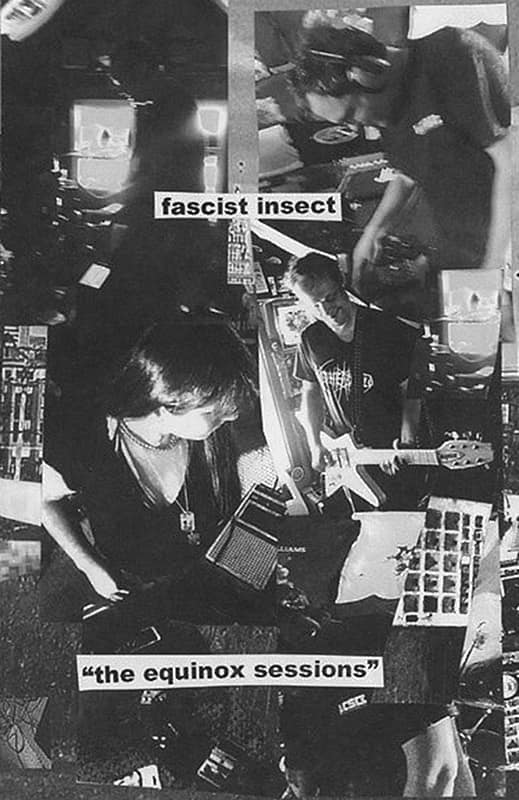
This dedication resonates particularly within Ohio's underground scene, where bands like crossover thrash act Fascist Insect and Mobile Deathcamp maintain similarly intense live presences despite smaller venues and tighter budgets. The physical demands of metal performance create challenges at every level, from local club shows to international touring circuits.
Genre Evolution Through New Releases
While physical performance captures headlines, metal's creative evolution continues through diverse new releases spanning traditional boundaries. Recent tracks from established acts alongside emerging artists demonstrate the genre's expanding sonic palette, with bands increasingly willing to experiment with production techniques, collaborative approaches, and cross-genre influences that would have been controversial in metal's more purist eras.
The variety in current releases reflects metal's maturation as an art form capable of supporting multiple creative directions simultaneously. From atmospheric explorations to technical virtuosity demonstrations, new music showcases how best metal bands are adapting to changing listener expectations while maintaining genre authenticity. This creative diversity creates opportunities for regional scenes to develop distinctive approaches without conforming to narrow stylistic expectations.
Veteran Bands Navigate Modern Challenges
Deep Purple's continued touring plans despite previous farewell announcements exemplify how veteran bands navigate modern industry realities. The decision to continue performing reflects both artistic passion and economic necessity, as streaming revenue fails to replace traditional album sales for bands who built careers before digital distribution.
Meanwhile, Mikkey Dee's health battle serves as a sobering reminder of touring's physical toll on aging musicians. His experience with sepsis highlights how decades of intensive touring create cumulative health impacts that extend beyond immediate performance injuries. These challenges affect veteran performers across all metal subgenres, from the 80s metal bands still maintaining active touring schedules to more recent acts building long-term careers.
For Ohio's metal community, these veteran experiences provide valuable lessons about career sustainability and health management. Local bands witnessing these industry realities can better prepare for long-term artistic careers that balance creative ambition with physical limitations.
Cross-Genre Collaboration Trends
The emergence of supergroup projects combining members from different metal subgenres reflects increasing creative collaboration within the scene. These partnerships often produce innovative material that transcends individual band limitations, creating new sonic territories that influence broader genre development.
Such collaborative approaches benefit regional scenes by demonstrating how musicians can expand their creative networks beyond local geographical boundaries. Ohio's diverse metal landscape, featuring everything from atmospheric black metal to technical death metal, provides fertile ground for similar cross-pollination experiments.
Industry Adaptation and Digital Presence
The gradual adoption of digital platforms by traditional metal media reflects broader industry adaptation to changing consumption patterns. While metal culture has historically resisted digital transformation, the necessity of reaching younger audiences drives reluctant but inevitable platform expansion.
This digital evolution affects how new metal bands 2026 develop audiences and maintain fan engagement. Regional acts must now balance traditional touring and physical media presence with social media marketing and streaming platform optimization, requiring skills beyond musical performance and composition.
Legacy Act Reunion Dynamics
Max Cavalera's perspective on performing classic Sepultura material for new audiences illustrates how reunion projects serve educational functions within metal culture. These performances introduce younger fans to foundational albums while providing original members opportunities to recontextualize past work through current artistic perspectives.
The Cavalera brothers' collaboration demonstrates how family dynamics and creative partnerships evolve over decades, offering models for other bands navigating similar reunion possibilities. Their approach suggests that successful legacy projects require genuine artistic motivation rather than purely commercial considerations.
Regional Scene Development Opportunities
These industry developments create multiple opportunities for Ohio's metal scene development. The emphasis on physical performance authenticity favors live music scenes over studio-focused markets, potentially benefiting regions with strong venue networks and supportive local audiences.
Similarly, the trend toward genre-blending collaboration could benefit Ohio's diverse metal landscape, where death metal, black metal, doom, and thrash bands operate within relatively close geographical proximity. Upcoming shows provide crucial networking opportunities for bands seeking collaborative partners or simply learning from other acts' approaches to performance and audience engagement.
The ongoing evolution of metal performance practices, creative approaches, and industry structures suggests that regional scenes willing to adapt and experiment will find new opportunities for growth and artistic development. Ohio's established metal infrastructure provides a solid foundation for capitalizing on these broader industry trends while maintaining the authentic local character that defines truly distinctive regional music communities.
For bands seeking to participate in these evolving opportunities, maintaining active performance schedules while developing digital presence becomes increasingly important. The combination of physical authenticity and strategic online engagement may determine which regional acts successfully transition from local recognition to broader metal scene participation.