Lamb of God's Massive Tour Finale and Rising Representation Signal Metal's Mainstream Evolution
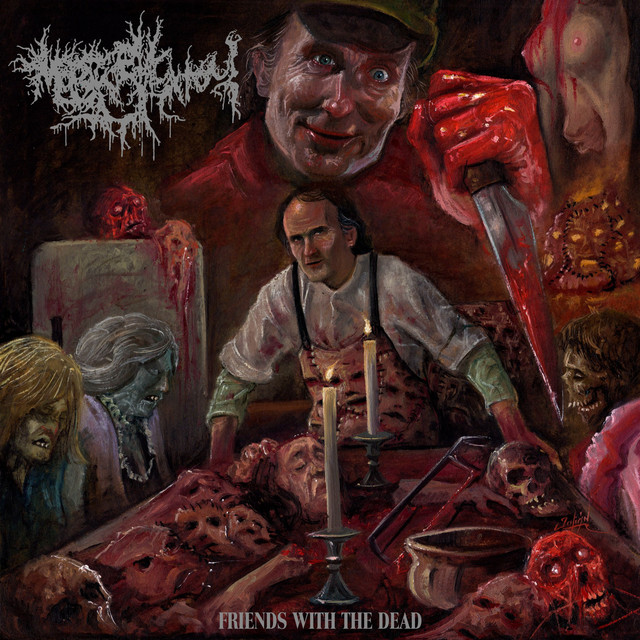
The final stretch of Lamb of God's colossal tour package with Columbus slam death metal powerhouse Sanguisugabogg, Kublai Khan TX, and Fit For An Autopsy represents more than just another successful touring cycle—it's a testament to how extreme metal continues pushing into mainstream venues while maintaining its underground credibility. As these shows wrap up their run through major markets, the metal community is simultaneously witnessing unprecedented shifts in representation and artistic authenticity that could reshape the genre's future trajectory.
Ohio Death Metal Claims National Spotlight
For Ohio metal bands, watching Sanguisugabogg share stages with groove metal legends Lamb of God across major venues represents a significant milestone for the state's extreme metal export potential. The Columbus-based slam death metal outfit has rapidly ascended from regional underground darling to national touring act, proving that Ohio's death metal scene can compete on the largest stages. Their inclusion on this high-profile package tour demonstrates how the best metal bands touring 2026 are increasingly drawn from diverse geographic regions rather than traditional coastal scenes.
This touring success creates valuable precedent for other metal bands from Ohio looking to break into national circuits. The pathway from local venues to amphitheaters and major markets has become increasingly accessible for bands willing to develop their craft and build genuine audiences. Sanguisugabogg's trajectory offers a blueprint that other Ohio death metal acts like Mortuary Ghoul and Disembodied can study and potentially replicate.
Representation Revolution in Metal's Establishment
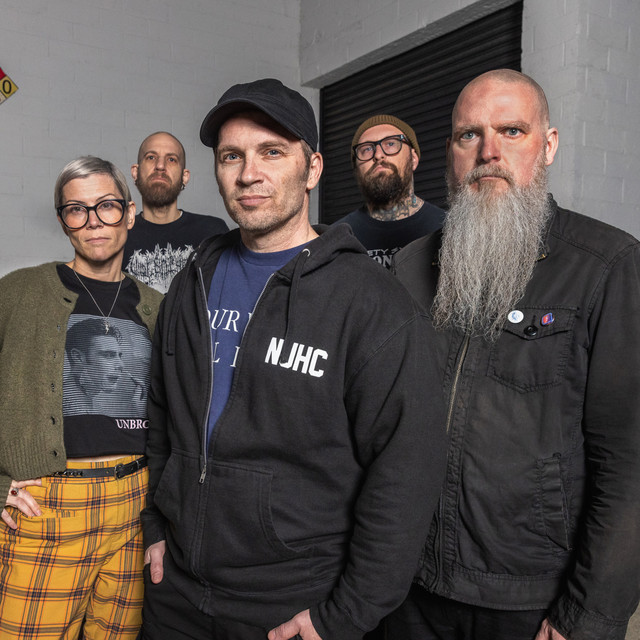
While tour packages dominate headlines, equally significant developments are reshaping metal's cultural landscape. Beartooth's Caleb Shomo recently opened up about his journey as a gay man in the metal scene, highlighting both progress and persistent challenges in genre representation. His candid discussion referenced Rob Halford's groundbreaking visibility in the 1990s while acknowledging how much work remains in creating truly inclusive metal communities.
This conversation arrives as metal's demographic continues evolving, with younger audiences demanding greater authenticity and representation from their musical heroes. For Ohio metal scene participants, these discussions create opportunities to examine local venue policies, show environments, and community building practices. Progressive attitudes toward LGBTQ+ inclusion could become competitive advantages for scenes that embrace diversity early.
The ripple effects extend beyond individual artist stories to influence booking decisions, festival lineups, and fan community dynamics. Metal's traditionally masculine image is gradually expanding to accommodate broader expressions of identity and experience, creating space for more diverse voices to emerge.
Underground Authenticity Meets Corporate Investment
Rev3rent's signing to Atlantic Records' new Deep Love Recordings imprint raises fascinating questions about major label involvement in heavy music. The deal potentially makes them one of the heaviest acts ever signed to Atlantic's umbrella, suggesting corporate music's increasing comfort with extreme sounds. This development could signal broader industry acceptance of genres previously considered too niche for major label investment.
For emerging metal bands, this trend presents both opportunities and philosophical challenges. Major label resources can amplify reach and production quality, but traditional concerns about artistic compromise and underground credibility remain valid. The most successful approaches likely involve maintaining creative control while leveraging corporate distribution and marketing capabilities.
Regional scenes like Ohio's benefit when major labels demonstrate increased appetite for heavy music, as A&R attention often spreads beyond initial signings to explore broader geographic territories. Labels discovering success with one heavy act frequently scout related scenes for additional opportunities.
European Touring Circuits and Global Metal Economy
Belphegor's "Praise The Beast" European tour with Krisiun and Asagraum illustrates the robust international extreme metal touring economy that continues expanding despite various industry challenges. These established European circuits represent crucial revenue streams for death and black metal acts, often providing more reliable income than domestic touring for many bands.
The international dimension highlights how the best metal bands develop global rather than merely regional followings. Social media and streaming platforms have democratized international fan building, allowing Ohio metal bands to cultivate European audiences before ever setting foot overseas. This global connectivity creates new strategic possibilities for regional acts willing to think beyond traditional geographic limitations.
Speed's summer European tour dates similarly demonstrate how international touring has become integral to metal band sustainability. The European festival circuit offers exposure and financial opportunities that can sustain bands through slower domestic periods, making international strategy development increasingly important for serious metal acts.
Value-Driven Touring Models Emerge
Militarie Gun's "20 Songs For 20 Dollars" tour concept reflects growing experimentation with fan-friendly pricing strategies. As concert ticket costs continue rising across the industry, bands offering accessible pricing could capture significant competitive advantages, particularly among younger demographics facing economic pressures.
This approach acknowledges metal's working-class roots while addressing practical barriers that prevent fans from attending shows. For Ohio venues and promoters, value-driven touring packages could attract larger audiences and build stronger community relationships. The strategy also demonstrates how bands can differentiate themselves through pricing innovation rather than relying solely on musical distinctiveness.
Such models could prove particularly effective in mid-market cities where metal scenes are growing but disposable income remains limited. Accessible pricing removes barriers to scene participation and could accelerate local metal community development.
Looking Forward: Ohio's Metal Trajectory
These national developments create a favorable environment for Ohio metal bands ready to capitalize on expanding opportunities. The combination of major label interest in heavy music, successful Ohio bands like Sanguisugabogg proving market viability, and evolving industry business models suggests 2026 could be a breakthrough year for regional metal scenes.
Success requires strategic thinking about audience development, authentic community building, and professional presentation. The most effective approaches will likely combine underground credibility with business sophistication, maintaining metal's rebellious spirit while embracing opportunities for broader reach.
For Ohio's metal community, supporting local bands through upcoming shows and encouraging emerging acts to submit their band information helps maintain the momentum necessary for continued scene growth. The infrastructure exists for significant expansion—the question is whether local bands and fans will seize available opportunities.