Supergroup Formations and Multi-Generational Collaborations Signal New Creative Partnerships in Metal's Veteran Circuit

The metal world is witnessing a fascinating wave of veteran musicians forming new creative partnerships, from seasoned thrash legends launching supergroups to iconic guitarists collaborating with their offspring. These developments suggest that metal's established artists are increasingly looking beyond traditional band structures to explore fresh musical territories.
Thrash Veterans Forge New Alliances
APOCÆLYPSE has emerged as one of the most intriguing supergroup formations in recent memory, bringing together musicians from legendary acts including Vio-lence, Metal Church, and I Am Morbid. Their latest single "INTELL-I-GENTS" represents the kind of cross-pollination that happens when veteran players from different corners of the thrash and death metal universe converge. The track showcases how decades of experience can crystallize into something that feels both familiar and refreshingly new.
This trend toward supergroup formation isn't entirely surprising given the current state of the metal touring circuit. Many veteran musicians find themselves with more flexibility in their schedules, whether due to changes in their primary bands' activity levels or simply a desire to explore different creative outlets after decades in the scene.
For Ohio metal bands watching these developments, there are valuable lessons about the power of collaboration across stylistic boundaries. Ohio progressive death metal band Church has demonstrated similar cross-genre experimentation, blending death metal's brutality with progressive complexity in ways that echo this broader trend of boundary-pushing collaborations.
Father-Son Musical Partnerships Gain Momentum
Perhaps even more fascinating is the emergence of multi-generational collaborations within metal families. Tom Morello's recent comments about working with his son Roman Morello reveal an interesting dynamic where musical DNA meets fresh perspectives. The elder Morello's admission that he "steals" riffs from his son to create songs highlights how these partnerships can rejuvenate veteran musicians' creative processes.
This father-son collaboration trend extends beyond the Morello family, with other metal dynasties exploring similar partnerships. What's particularly noteworthy is how these collaborations seem to energize both generations involved – the veterans gain access to contemporary musical ideas and production techniques, while the younger musicians benefit from decades of industry experience and refined songcraft.
The success of these partnerships suggests that metal's future may increasingly involve cross-generational knowledge transfer, with established artists serving as mentors while remaining open to learning from their protégés. This model could prove especially valuable for regional scenes like Ohio's, where veteran musicians could play crucial roles in developing younger talent while keeping their own creative fires burning.
The Memoir Movement and Legacy Documentation
Testament's Chuck Billy's upcoming memoir "Holding My Breath: The Two Testaments Of Chuck Billy" represents another significant trend among metal veterans – the drive to document and contextualize their experiences for both fans and future generations. The fact that Rob Halford wrote the foreword speaks to the interconnected nature of metal's elder statesmen and their recognition of each other's contributions to the genre's development.
These memoir projects serve multiple purposes beyond simple nostalgia. They provide invaluable historical documentation of metal's evolution, offer insights into the business and creative processes that shaped iconic albums, and create bridges between metal's past and present. For regional scenes, these books often reveal the importance of local venues, radio stations, and fan communities that supported bands during their formative years.
The memoir trend also reflects a maturation of metal culture, where participants are increasingly viewed as legitimate cultural figures whose stories deserve serious documentation. This shift benefits the entire metal ecosystem by elevating the genre's perceived cultural value and providing roadmaps for emerging artists.
Festival Circuit Showcases Enduring Appeal
Recent festival performances by bands like Overkill and Venom at Sweden Rock Festival demonstrate the continued vitality of metal's veteran acts. These performances aren't mere nostalgia trips – they're dynamic showcases of bands that continue to evolve their live presentations while honoring their legacies.
Overkill's current tour activity, following their successful "Thrash Of The Titans" U.S. run with Testament and Destruction, shows how veteran thrash acts can still generate significant audience excitement. Their ability to headline major festivals while continuing to tour extensively suggests that there's robust demand for authentic, uncompromising metal from bands with decades of credibility.
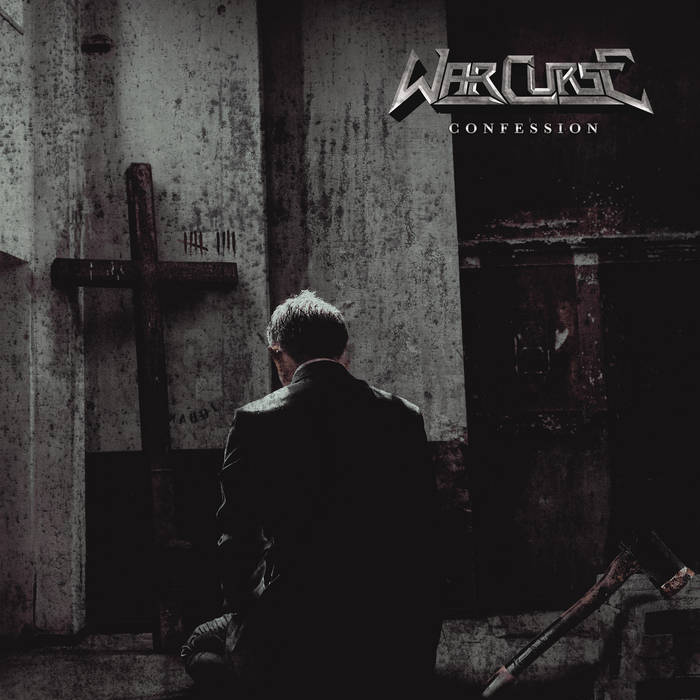
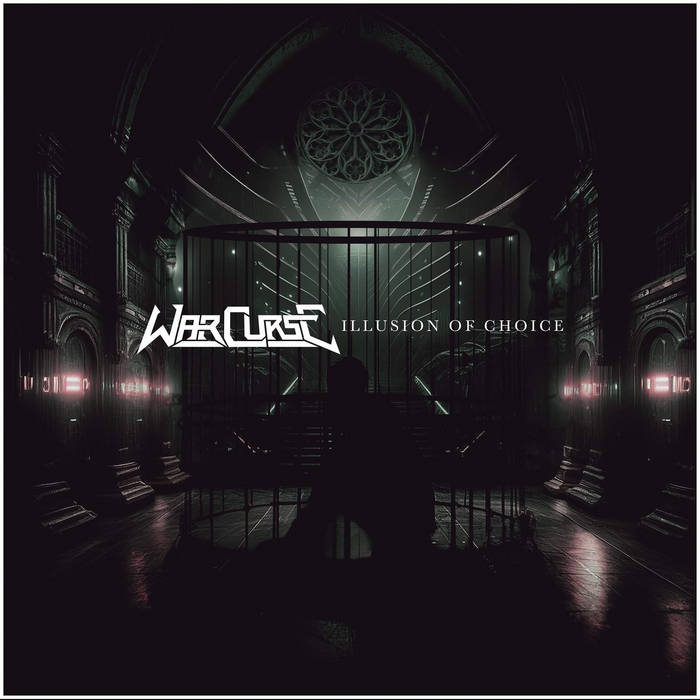
For Ohio thrash metal bands like War Curse, these festival showcases provide important benchmarks for what sustained career longevity can look like in metal. They demonstrate that maintaining authenticity while adapting to changing industry conditions can result in multi-decade relevance.
Cross-Genre Pollination and Unexpected Collaborations
The involvement of mainstream actors like Javier Bardem in metal discourse – specifically his comments about using Slipknot as sleep music – highlights metal's growing cultural penetration. When respected figures from other entertainment industries publicly embrace metal, it signals the genre's continued expansion beyond its traditional boundaries.
This mainstream acceptance creates new opportunities for metal bands at all levels. Regional acts no longer need to worry about being pigeonholed as strictly underground artists – there's growing recognition that metal's musical sophistication and emotional depth appeal to diverse audiences.
The emergence of new acts like black metal band Wicked One with their debut single "Kneel Before Lucifer" shows that traditional metal aesthetics and themes still resonate strongly, even as the genre gains broader acceptance. This suggests that metal can expand its reach without abandoning its core identity.
Implications for Ohio's Metal Development
These trends in veteran musician activity offer several key insights for Ohio's developing metal scene. The success of supergroup formations suggests that collaboration across band boundaries can generate significant interest and creative energy. Ohio metal musicians might consider forming temporary or project-based alliances that showcase different aspects of their musical personalities.
The multi-generational collaboration trend is particularly relevant for Ohio, which has both established metal veterans and emerging young talent. Creating mentorship opportunities and collaborative projects could strengthen the scene's continuity while fostering innovation.
Additionally, the memoir and documentation trend suggests that Ohio's metal history deserves serious attention. Regional bands with significant histories might consider documenting their experiences, both for fans and for future musicians who could benefit from understanding how successful metal careers develop in the Midwest.
The continued festival success of veteran acts also indicates that Ohio metal bands should view longevity as an achievable goal rather than an unlikely outcome. By studying how bands like Overkill maintain relevance across decades, local acts can develop strategies for sustained career development.
As metal's veteran circuit demonstrates increasing creativity and collaboration, Ohio's metal scene stands to benefit from these broader trends. The key is recognizing that experience and innovation aren't mutually exclusive – they can combine to create some of metal's most compelling artistic statements.