Medical Emergency Support and Venue Accountability: Community Response Patterns Emerge as Industry Faces Health Crisis Wave

The metal community's response to health emergencies and accountability issues has reached a critical juncture, as recent developments reveal both the genre's capacity for collective support and its ongoing struggles with institutional responsibility. From emergency medical fundraising campaigns to venue safety protocols, these events offer crucial insights for Ohio's metal scene infrastructure development.
Emergency Medical Support Networks Mobilize
When seasoned musicians face life-threatening medical emergencies, the metal community's response patterns reveal both strengths and vulnerabilities in the industry's support systems. Recent emergency triple bypass surgery cases highlight how genetic health conditions can suddenly impact veteran performers, regardless of their fitness levels or lifestyle choices.
The mobilization of meal train fundraisers and community financial support demonstrates the informal networks that have developed within metal's extended family structure. These grassroots responses often move faster than official industry assistance programs, relying on personal relationships and fan loyalty rather than institutional frameworks.
For Ohio's developing metal scene, these emergency response patterns provide valuable blueprints for building sustainable support networks. Local venues and promoters can learn from how established communities rally around musicians in crisis, developing proactive systems rather than reactive scrambles.
Fan Safety and Venue Accountability
The tragic loss of fans at festival events has intensified discussions around venue safety protocols and emergency response procedures. When bands contribute significant financial support to memorial funds, it demonstrates both genuine care and an understanding of shared responsibility within the live music ecosystem.
Sleep Theory's substantial donation to a fan's memorial fund represents a new standard for artist response to venue tragedies. This level of financial commitment goes beyond traditional expressions of sympathy, suggesting that successful acts recognize their role in ensuring fan safety extends beyond their performance time.
Ohio venues hosting metal shows can examine these responses to strengthen their own emergency protocols. The investment in proper medical staffing, crowd management training, and rapid response capabilities becomes more critical as the local scene grows and attracts larger audiences.
"The reality is that metal shows create intense physical experiences for fans, and venue operators need to plan for medical emergencies as a standard part of their operations, not an unexpected complication."
Collaborative Projects Signal Strategic Partnerships
High-profile collaborations between veteran activists and metal musicians continue to demonstrate the genre's political engagement potential. When multiple generations of the same musical family collaborate with established protest voices, it creates powerful statements about sustained resistance culture.
The Morello family's multi-generational involvement with political music projects shows how metal's activist tradition passes through family lines while adapting to contemporary issues. These collaborations provide templates for how Ohio metal acts can engage with local political causes without sacrificing artistic integrity.
For emerging Ohio thrash metal bands like SSA, these high-profile political collaborations demonstrate how socially conscious lyrics can connect with broader activist movements. The key lies in authentic engagement rather than performative politics.
Band Dynamics and Creative Control
Internal band conflicts over creative contributions and recognition continue to highlight the business complexities beneath metal's artistic facade. When vocalists publicly dispute their former bandmates' contributions to recorded material, it reveals the ongoing tensions between collaborative creativity and individual recognition.
These public disputes often emerge when lineup changes force bands to address unresolved creative ownership issues. The pattern suggests that many metal acts operate without clear agreements about creative contributions, leading to bitter public exchanges when relationships deteriorate.
Ohio's metal bands can learn from these cautionary tales by establishing clear creative agreements early in their development. Heavy metal acts like Three and other local bands benefit from transparent discussions about songwriting credits, recording contributions, and financial arrangements before success creates higher stakes.
New Material Strategies in Changing Markets
Veteran bands' approaches to releasing new material reveal evolving strategies for maintaining relevance while honoring their legacy. When established acts describe their new songs as "love letters to fans," it signals a shift toward direct audience engagement rather than broader market conquest.
This fan-focused approach acknowledges that metal's core audience values authenticity and continuity over mainstream crossover potential. Bands with decades-long careers increasingly view new releases as relationship maintenance with dedicated followers rather than attempts to capture new demographics.
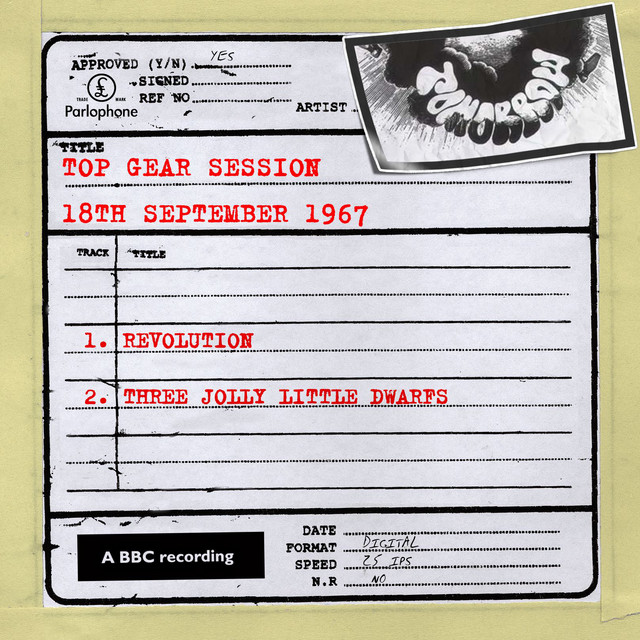
For Ohio's doom metal acts like Tomorrow, this trend suggests that consistent output targeted at dedicated metal fans may prove more sustainable than sporadic attempts at broader appeal. The key lies in understanding audience expectations while maintaining artistic growth.
Accountability and Misconduct Response
The metal scene's handling of misconduct allegations continues to evolve, with bands taking increasingly swift action when accusations surface. Recent cases show immediate dismissals of members facing serious allegations, suggesting that metal acts have learned from past industry failures to address misconduct promptly.
This zero-tolerance approach represents a significant shift from earlier decades when bands often defended accused members or delayed responses pending investigations. The current model prioritizes immediate action over lengthy deliberation processes.
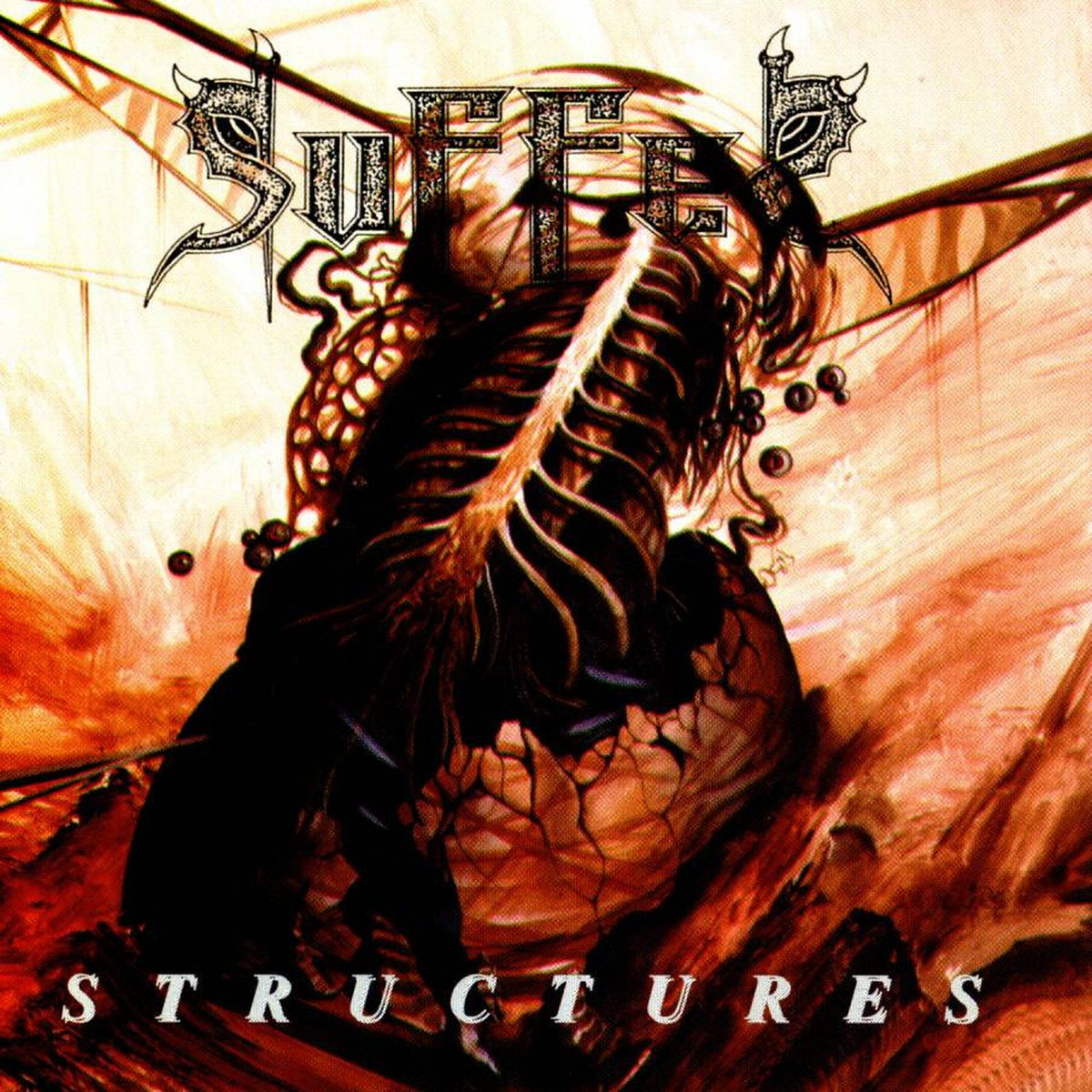
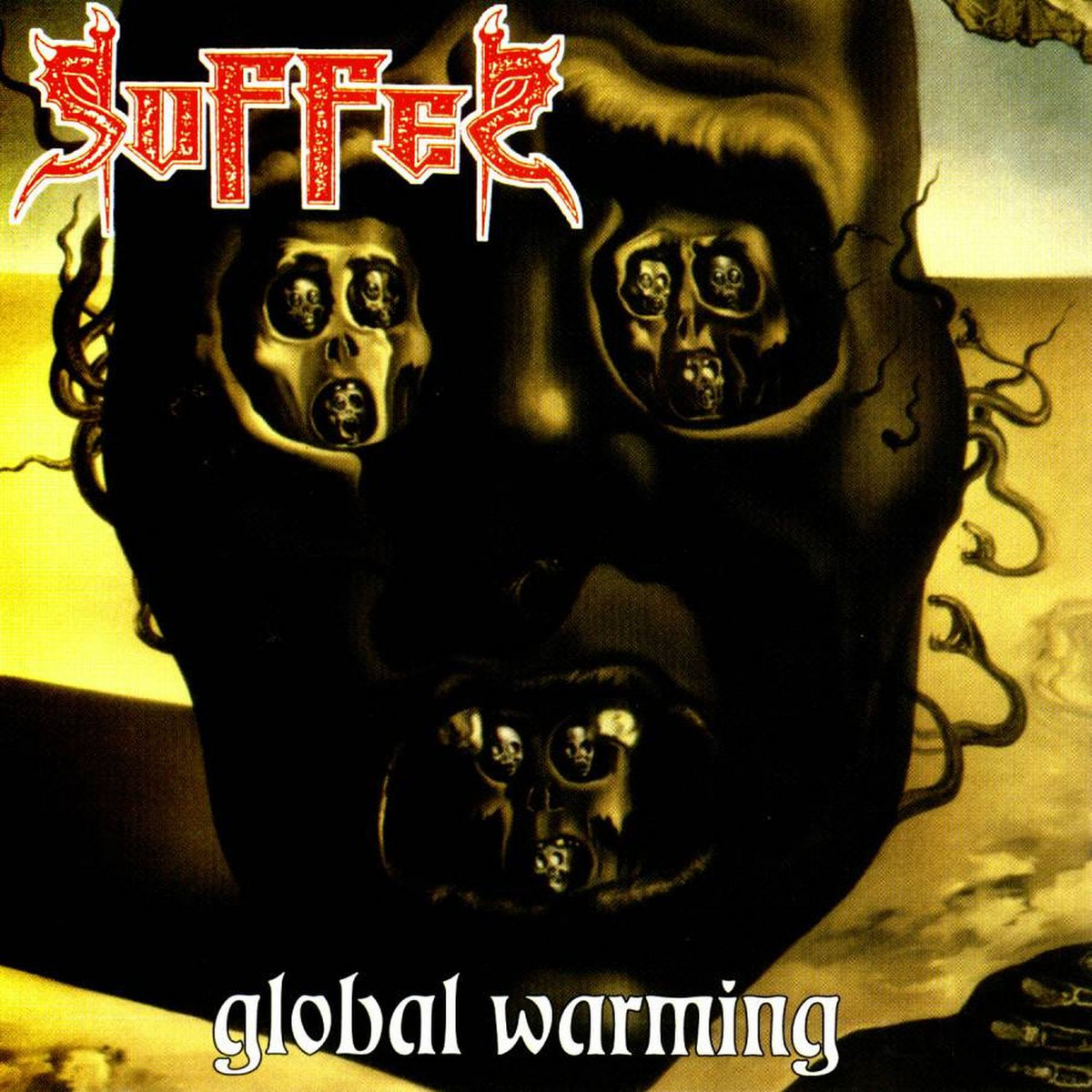
Ohio metal venues and local bands must develop clear policies for handling misconduct allegations within their communities. Death metal acts like Suffer and other local bands benefit from establishing codes of conduct that protect both their artistic integrity and their audience safety.
Festival Organization and Leadership Changes
Major festival leadership changes due to misconduct allegations highlight the ongoing accountability issues within metal's institutional structures. When festival founders step down following assault accusations, it creates both immediate operational challenges and longer-term questions about institutional culture.
These leadership transitions offer opportunities for implementing stronger safety protocols and more inclusive organizational structures. However, they also demonstrate how individual misconduct can threaten entire festival ecosystems that employ hundreds of people and serve thousands of fans.
Ohio's growing festival scene must learn from these examples to build sustainable leadership structures that can survive individual scandals. This includes developing board oversight, clear succession plans, and cultural standards that extend beyond any single organizer's vision.
Regional Scene Development Implications
These national developments create strategic opportunities for Ohio's metal scene to differentiate itself through superior community standards and support systems. By implementing proactive safety measures, clear misconduct policies, and robust mutual aid networks, local acts can build competitive advantages over regions that remain reactive to crises.
The state's diverse metal landscape, from Cleveland's industrial heritage to Cincinnati's death metal underground, provides multiple models for how different regional approaches can succeed. Local venues and promoters can examine successful community response patterns to build stronger, more sustainable scene infrastructure.
As these national trends continue evolving, Ohio's metal community has the opportunity to establish itself as a model for how regional scenes can balance artistic freedom with community responsibility. The key lies in learning from others' challenges while building proactive solutions tailored to local needs and values.