Vinyl Revival and Vintage Authentication: Psychobilly Reissues and Legacy Band Anniversaries Signal Underground Collectors' Market Evolution
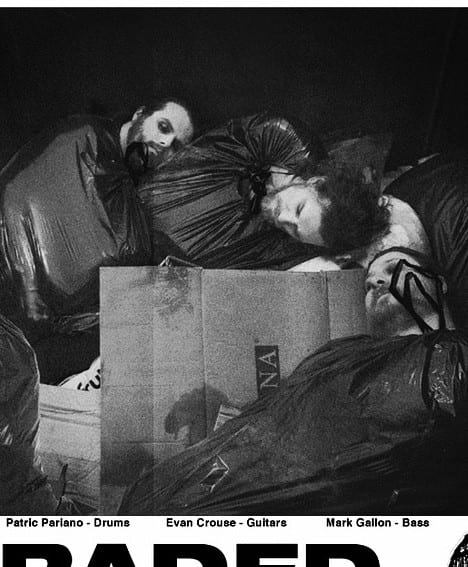
The intersection of punk legend curation and metal anniversary celebrations has created an unexpected collector's market phenomenon, as Henry Rollins and Ian MacKaye announce their stewardship of lost Cramps recordings while Death Angel prepares deluxe vinyl treatment for their decade-old thrash opus. These developments reveal how authentication by scene veterans and strategic anniversary timing are reshaping underground music's physical media landscape.
Hardcore Legends Authenticate Psychobilly History
When two titans of hardcore punk—Henry Rollins of Black Flag and Ian MacKaye of Minor Threat and Fugazi—step forward to shepherd reissues of The Cramps' lost material, the underground takes notice. The announcement of a comprehensive Cramps reissue series, beginning with a 1977 album produced by Big Star's Alex Chilton, represents more than simple archival preservation. It signals how established scene veterans are using their cultural capital to authenticate and contextualize foundational recordings that might otherwise remain buried.
This approach to legacy curation differs significantly from typical record label cash grabs. Rollins and MacKaye bring decades of underground credibility to the project, ensuring that The Cramps' psychobilly innovations receive treatment befitting their influence on everything from garage punk to horror metal. The involvement of these hardcore icons suggests that cross-genre authentication is becoming increasingly valuable in an oversaturated reissue market.
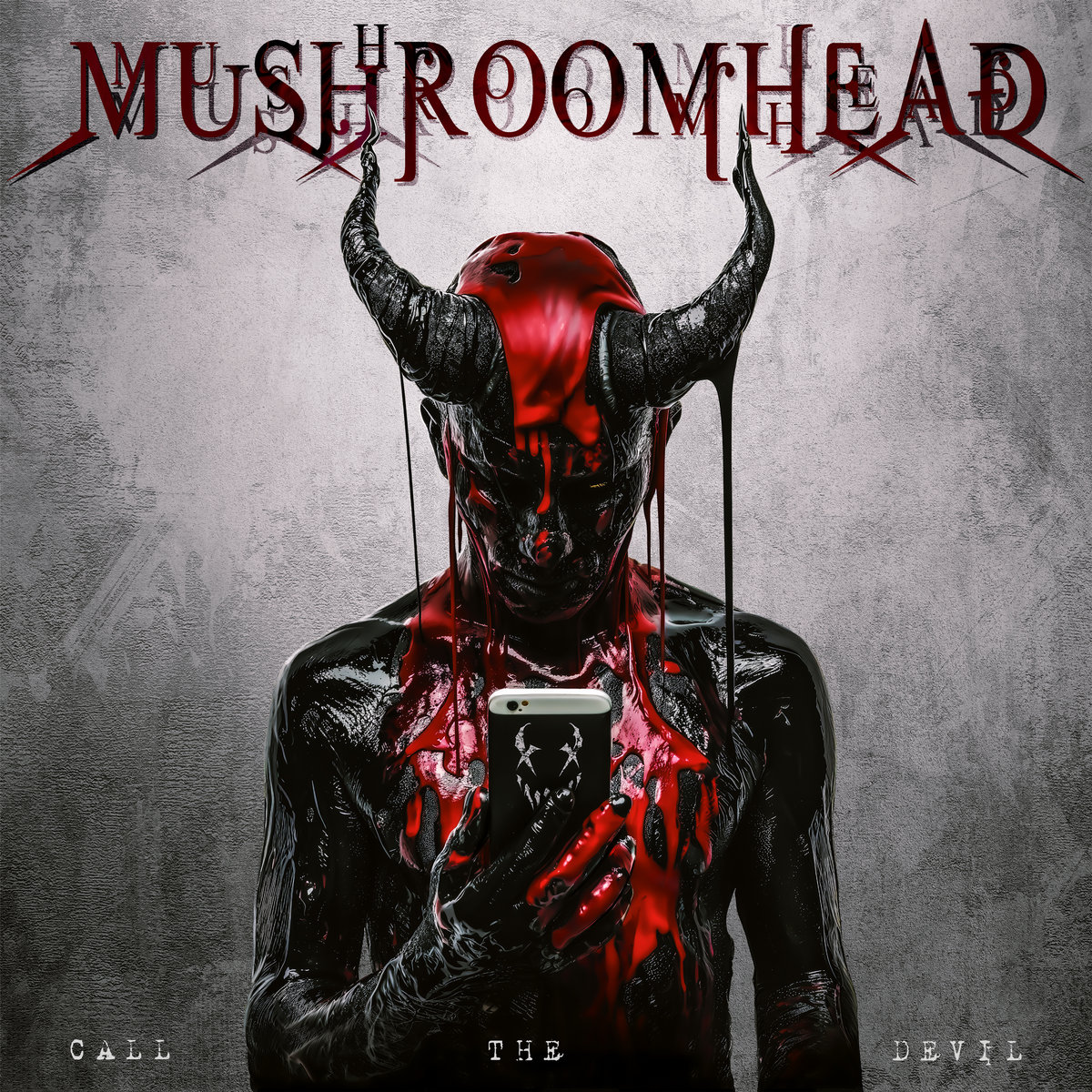
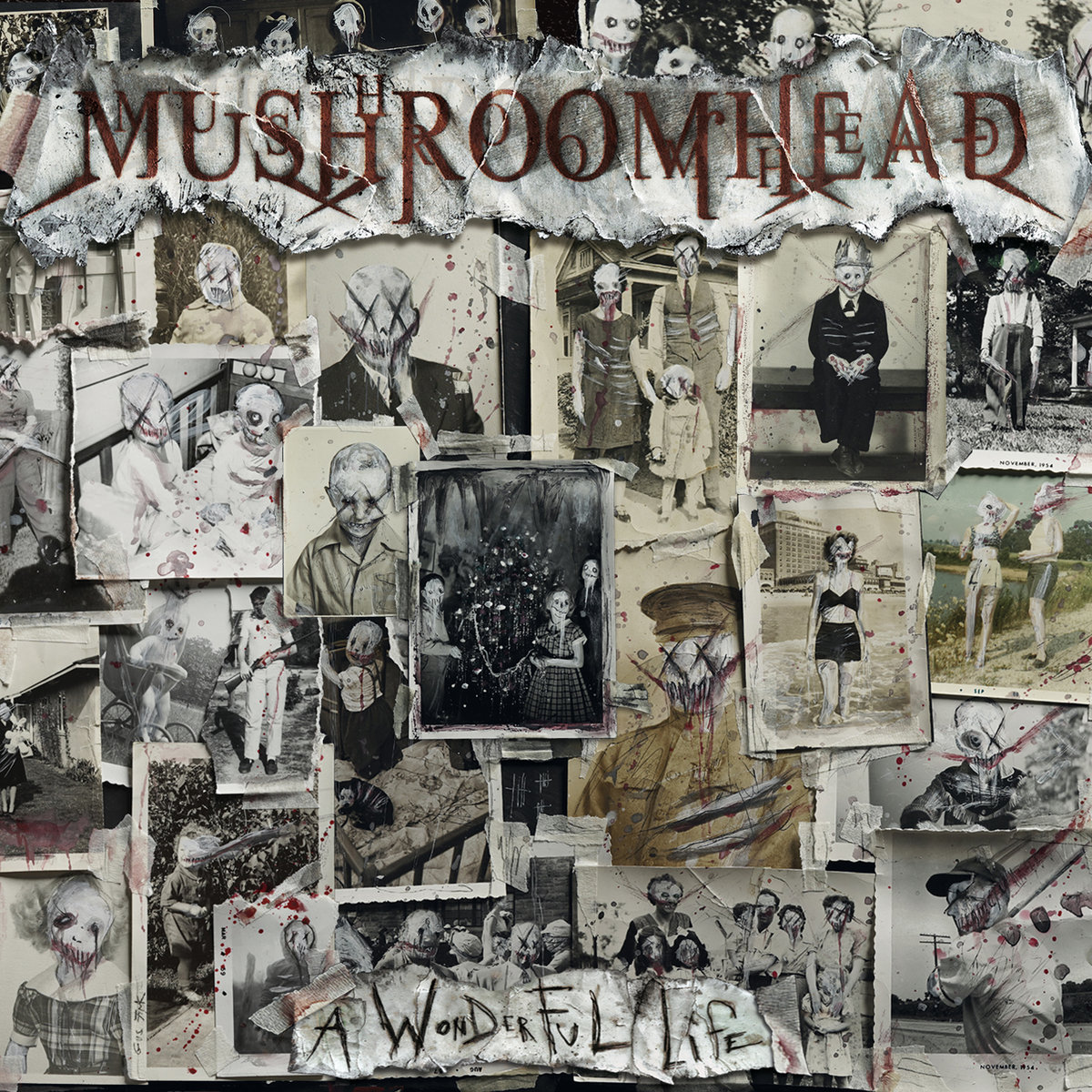
For Ohio's metal underground, this model presents fascinating possibilities. Veterans like Cleveland industrial metal pioneers Mushroomhead possess similar cultural authority within their respective scenes. The success of authenticated reissue projects could inspire similar treatments for Ohio's overlooked metal recordings from the 1990s and early 2000s.
Anniversary Cycles and Strategic Vinyl Timing
Death Angel's announcement of deluxe vinyl treatment for "The Evil Divide"—exactly ten years after its 2016 release—reveals how Bay Area thrash veterans are leveraging anniversary cycles for maximum collector impact. Rather than waiting for traditional milestone anniversaries, the band recognizes that decade marks now carry sufficient nostalgic weight to justify premium reissue treatment.
This strategic timing reflects broader changes in metal's relationship with its recent past. Where previous generations waited 20 or 25 years before revisiting classic albums, modern metal operates on accelerated nostalgia cycles. The success of "The Evil Divide" as both a critical statement and commercial achievement for Death Angel makes its tenth anniversary particularly significant, representing the band's successful navigation of thrash metal's 2010s renaissance.
Nuclear Blast Records' involvement underscores how major metal labels are investing heavily in anniversary reissue programs. The label's extensive catalog provides numerous opportunities for similar treatments, suggesting that strategic anniversary timing will become increasingly important for bands managing their legacy releases.
Physical Media Resistance and Streaming Alternative
The decision by Panda Bear and Sonic Boom to release their collaborative album exclusively through physical formats and live performances represents a deliberate rejection of streaming platform dominance. Their commitment to "radio, live shows, listening parties, and real life interactions" over digital distribution creates an intentionally scarce listening experience that emphasizes community and physical presence.
While this approach might seem tangential to metal, it reflects growing artist frustration with streaming economics and digital oversaturation. Metal bands increasingly recognize that physical media exclusivity can create stronger fan connections and improved financial returns. The success of limited vinyl releases and cassette revivals within metal demonstrates growing appetite for tangible music experiences.
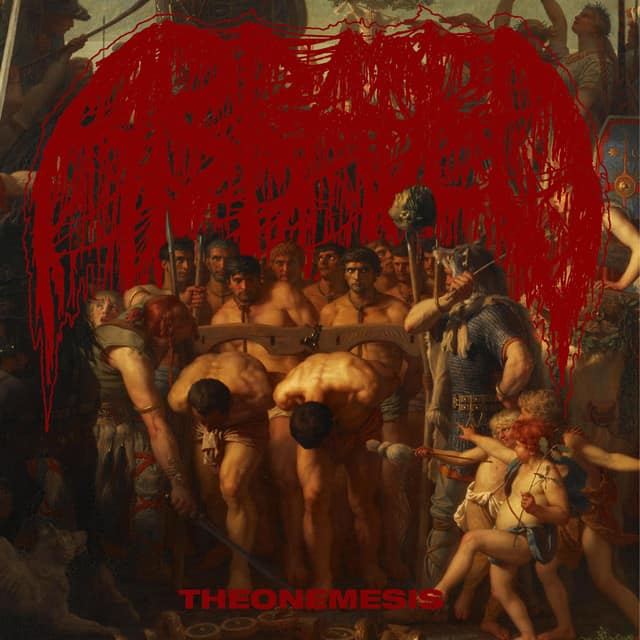
Ohio metal bands operating outside major label systems could benefit significantly from similar approaches. Acts like Columbus grindcore outfit Abraded already utilize limited physical releases to build dedicated followings. The key lies in creating genuine scarcity rather than artificial limitation, building authentic community connections around physical music consumption.
Genre Crossover and Cultural Authentication
The involvement of hardcore punk legends in psychobilly reissue projects illustrates how genre boundaries continue dissolving within underground music authentication. Rollins and MacKaye's participation lends credibility across multiple scene demographics, from aging punks to younger collectors discovering vintage underground recordings. This cross-pollination creates broader market appeal while maintaining authentic underground credentials.
Metal's relationship with adjacent genres has always been complex, but veteran authentication provides pathways for broader cultural acceptance. When respected figures endorse overlooked recordings, they create permission structures for fans to explore beyond their typical listening habits. This phenomenon particularly benefits hybrid genres that straddle multiple underground communities.
Ohio's metal scene includes numerous acts that would benefit from similar cross-genre authentication. Bands operating in experimental territories or incorporating non-metal influences could leverage endorsements from respected scene veterans to reach broader audiences while maintaining underground credibility.
Anniversary Market Saturation and Strategic Differentiation
As anniversary reissues proliferate across metal and adjacent genres, bands face increasing pressure to differentiate their legacy projects. Death Angel's "Evil Divide" reissue succeeds partly because the original album represented a creative peak during the band's mature period, not just nostalgic throwback material. The ten-year timing captures the album while its influence remains active rather than historically distant.
Successful anniversary projects require more than chronological convenience. They need cultural relevance, sonic distinctiveness, and strategic packaging that justifies premium pricing. The current collector market rewards authenticity and craftsmanship over simple nostalgia, demanding that reissue projects offer genuine value beyond mere availability.
This evolution toward quality-focused anniversary releases creates opportunities for Ohio metal bands with strong catalog material. Rather than rushing toward anniversary dates, local acts should focus on identifying their most culturally significant releases and developing reissue strategies that highlight their lasting influence on regional scenes.
Underground Market Evolution and Regional Opportunities
The success of authenticated reissue projects and strategic anniversary releases reflects broader underground market evolution. Collectors increasingly value curatorial expertise and cultural context alongside musical content. This trend favors regions with strong scene histories and veteran authentication networks, creating potential advantages for Ohio's established metal communities.
Cleveland, Columbus, Cincinnati, and other Ohio metal centers possess decades of underground history suitable for thoughtful reissue treatment. The key lies in developing local curation networks and authentication systems that can rival the cultural authority demonstrated by figures like Rollins and MacKaye. Building these networks requires long-term community investment and cross-generational mentorship.
As physical media markets continue evolving, Ohio metal bands and labels should focus on creating lasting cultural value rather than chasing immediate commercial returns. The most successful reissue projects build community connections and historical understanding alongside collector appeal, creating sustainable foundations for future underground market participation.
The convergence of veteran authentication, strategic anniversary timing, and physical media resistance reveals new pathways for underground metal success. Ohio's diverse metal scene possesses the historical depth and cultural authenticity necessary to capitalize on these trends, provided local communities invest in developing proper curatorial frameworks and cross-generational knowledge transfer systems.