European Cover Songs and Documentary Revelations: International Tours Showcase Metal's Authentic Performance Values
European audiences witnessed metal history this week as Metallica delivered a spontaneous cover of Accept's "Fast As A Shark" during their Frankfurt stop, while Knocked Loose's new documentary series reveals the raw reality behind their massive international tour circuit. These developments highlight how authentic live performance continues to define metal's core values, even as the industry embraces new promotional strategies.
Metallica's Tribute to Germanic Metal Heritage
During their Deutsche Bank Park performance in Frankfurt, Metallica guitarist Kirk Hammett and bassist Robert Trujillo paid homage to German metal pioneers Accept with their rendition of "Fast As A Shark." The impromptu cover represents more than nostalgia—it demonstrates how veteran acts acknowledge their influences while connecting with regional audiences through shared musical heritage.
Accept's influence on early thrash and speed metal cannot be overstated, particularly their role in bridging traditional heavy metal with the aggressive tempos that would define subsequent subgenres. For Metallica to recognize this lineage during their M72 world tour speaks to the continued relevance of foundational metal acts in contemporary performance.
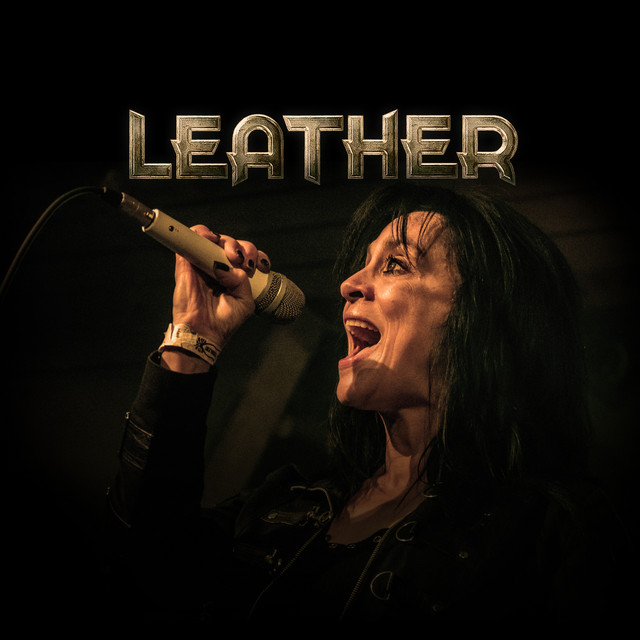
This type of cultural exchange benefits Ohio's metal scene immensely. When major touring acts demonstrate respect for their predecessors, it validates the importance of knowing metal history—something Ohio acts like Leather embody through their commitment to traditional heavy metal craftsmanship. The gesture also reinforces that the best metal bands of all time built their success on understanding and honoring their influences.
Behind-the-Scenes Reality Through Documentation
Knocked Loose's launch of their "Summer Tour Diary" documentary series provides unprecedented insight into the logistics and emotional reality of major international touring. The first episode, now available on YouTube, documents their European dates alongside Metallica—offering Ohio metal bands crucial education about what large-scale touring actually entails.
For emerging acts in the Ohio metal scene, this type of documentation serves dual purposes: it demystifies the touring process while showcasing the professional standards required for international success. Knocked Loose's willingness to share both triumphs and challenges creates educational content that benefits the entire metal community.
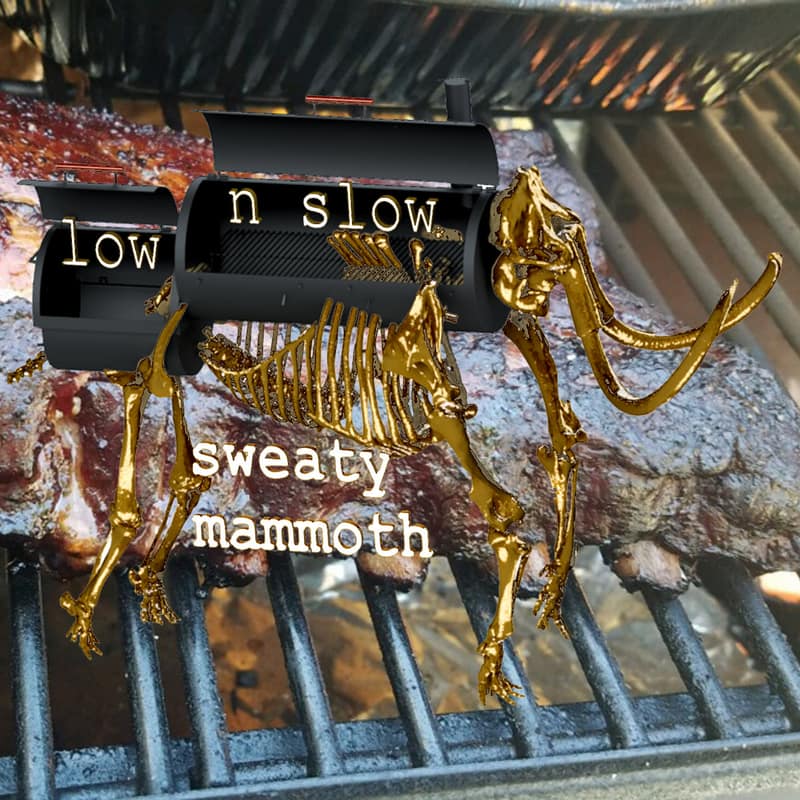
The documentary approach also represents smart promotional strategy. Rather than relying solely on traditional press coverage, bands can now control their narrative through self-produced content. This model offers particular value for Ohio's underground scene, where acts like Sweaty Mammoth and Superchanger in the sludge and stoner metal realms could document their own regional touring experiences to build broader audiences.
Authenticity in an Era of Technological Enhancement
Chevelle drummer Sam Loeffler's recent statement about avoiding backing tracks resonates strongly in today's live performance landscape. His assertion that "we're just three guys playing this music" represents a philosophical stance that many Ohio metal bands share—prioritizing authentic live execution over technological enhancement.
This authenticity debate extends beyond mere preference into questions of artistic integrity. While some genres benefit from sophisticated production elements, metal's core appeal often lies in witnessing human musicians push their physical and technical limits in real time. For Ohio's thrash and death metal acts, this principle remains paramount.
The backing track discussion also highlights economic realities. Many Ohio metal bands touring 2026 will operate with limited budgets, making additional musicians or complex technical setups impractical. Chevelle's success with a minimalist approach proves that powerful metal doesn't require elaborate staging—a lesson particularly relevant for Ohio acts building regional followings.
Legacy Management and Final Statements
Soundgarden's careful approach to their forthcoming final album featuring Chris Cornell demonstrates how bands navigate posthumous releases while preserving artistic legacy. Their commitment to "doing right by our collective work" and honoring Cornell's memory establishes standards for how metal acts should approach sensitive archival material.
This thoughtful approach contrasts sharply with rushed or exploitative posthumous releases that plague other genres. For Ohio's metal community, Soundgarden's methodology offers a template for preserving local scene history—whether through careful documentation of departed musicians or respectful handling of band archives.
The legacy preservation concept extends to Ohio's developing bands as well. Acts should document their creative processes not just for promotion, but as historical records for future scene scholarship. This long-term thinking separates serious artistic endeavors from casual projects.
Congressional Recognition and Cultural Validation
Ozzy Osbourne's Congressional Record honor through Representative Victoria Spartz represents unprecedented mainstream recognition of metal's cultural impact. This official acknowledgment validates what metal communities have always known—the genre's influence extends far beyond musical boundaries into broader cultural significance.
For Ohio metal bands, this recognition creates opportunities for local cultural advocacy. Municipal arts councils and state cultural programs may prove more receptive to supporting metal events when the genre receives federal recognition. This could translate into venue support, grants, or cultural programming that benefits the entire Ohio metal scene.
The Congressional honor also legitimizes metal as worthy of serious academic and cultural study. Ohio's universities could expand their music programs to include metal history and performance, creating educational pathways for the next generation of Ohio metal bands.
Anniversary Celebrations and Historical Perspective
Protest The Hero's "Kezia" 20th anniversary celebration through live video releases demonstrates how progressive metal acts can mine their catalogs for contemporary relevance. Their documentation of these anniversary performances creates lasting records while introducing classic material to new audiences.
Iron Maiden's revival of "Infinite Dreams" after a 36-year absence proves that even the best metal bands of all time continue discovering new dimensions in their extensive catalogs. This willingness to revisit and recontextualize older material offers Ohio bands valuable lessons about catalog development and long-term career sustainability.
Anniversary cycles also create natural promotional opportunities. Ohio metal bands should consider how their own milestones—whether album anniversaries, formation dates, or venue relationships—can generate renewed interest while honoring their development.
International Collaboration and Cross-Cultural Exchange
The unlikely collaboration between Finnish metal act Lordi and Irish Eurovision winner Johnny Logan on German television showcases metal's growing mainstream acceptance across international borders. These cross-cultural moments demonstrate how metal acts can expand their reach through unexpected partnerships.
For Ohio's metal scene, these international examples suggest opportunities for creative collaboration beyond traditional metal boundaries. The state's diverse musical heritage—from industrial rock to alternative metal—creates potential for innovative partnerships that could attract broader audiences while maintaining metal authenticity.
Looking Forward: Lessons for Ohio's Metal Underground
These developments reveal several key trends that benefit Ohio's metal community. First, authentic performance values continue distinguishing successful acts from their competitors. Second, documentation and storytelling create powerful promotional tools that extend far beyond traditional press coverage. Third, respectful handling of legacy material builds long-term credibility within metal communities.
Ohio metal bands can capitalize on these trends by prioritizing live performance excellence, documenting their creative processes, and building relationships with the broader metal community through covers, collaborations, and cultural participation. The international examples demonstrate that success often comes from combining traditional metal values with innovative promotional strategies.
As new metal bands 2026 emerge throughout Ohio, these lessons provide roadmaps for sustainable development. Whether pursuing traditional heavy metal excellence or exploring progressive boundaries, Ohio's acts can benefit from studying how established bands navigate contemporary challenges while maintaining their artistic integrity.