Deep Cuts Revival and Technical Evolution: Veteran Acts Mine Archives While Modern Metal Pushes Symphonic Boundaries
The metal landscape is witnessing a fascinating duality as legendary acts dive deep into their forgotten catalogs while contemporary bands push symphonic boundaries. This week's developments reveal how historical excavation and technical innovation are simultaneously driving metal's evolution, creating strategic opportunities for Ohio's diverse underground scene.
Kreator's Archive Diving Sets New Standard for Veteran Performance
Kreator's recent Maryland Deathfest performance of rare 1980s material from "Pleasure To Kill," "Terrible Certainty," and "Extreme Aggression" represents more than nostalgia—it's a masterclass in catalog curation. The German thrash legends' decision to excavate deep cuts instead of relying on crowd favorites demonstrates how 80s metal bands can maintain relevance while honoring their foundational work.
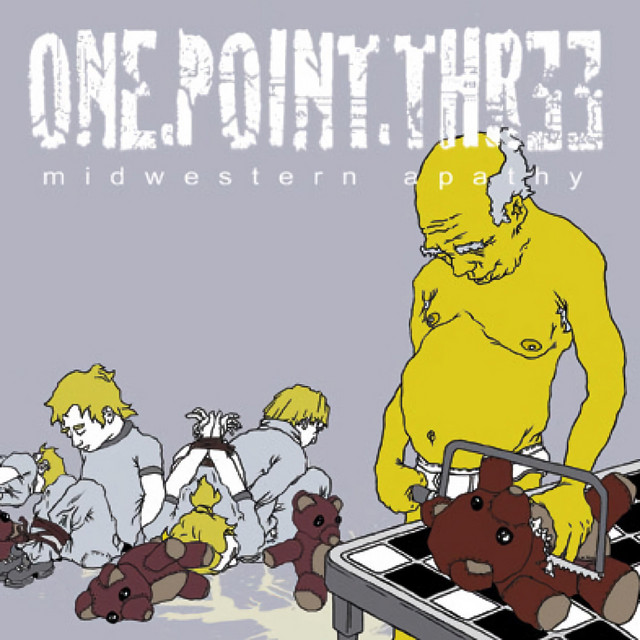
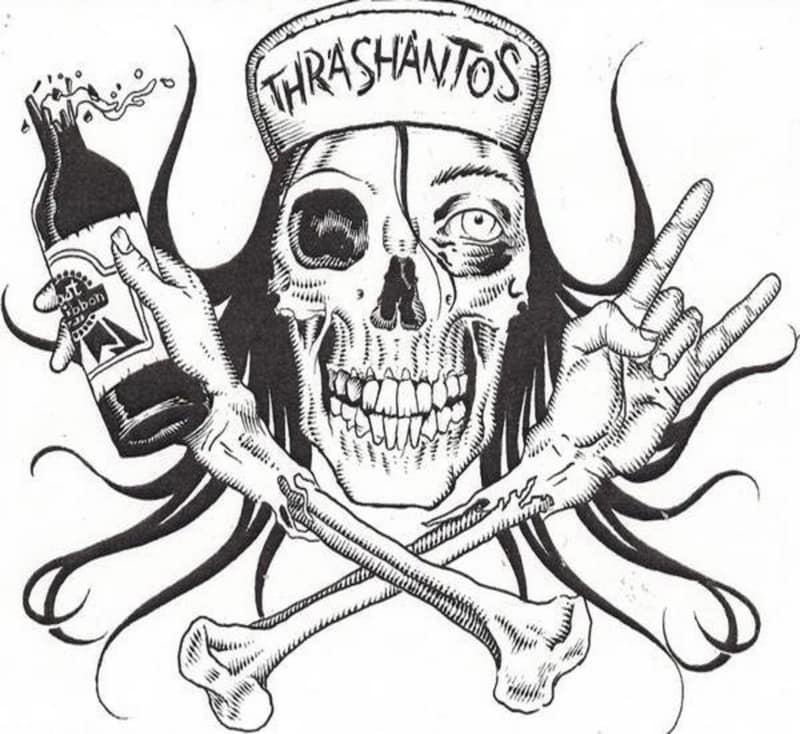
This approach resonates particularly well with Ohio's thrash underground, where bands like Thrashantos and 1point3 understand the value of mining their own catalogs for overlooked gems. The crossover thrash and mathcore elements that define 1point3's sound particularly benefit from this archaeological approach to setlist construction.
For emerging acts, Kreator's strategy offers a blueprint for longevity. Rather than becoming trapped by their most popular songs, veteran bands can use deep cuts to surprise longtime fans while demonstrating their artistic breadth. This philosophy could prove invaluable for Ohio's developing thrash acts as they build sustainable career trajectories.
Voivod's Symphonic Collaboration Expands Metal's Orchestral Frontiers
Voivod drummer Away's recent comments about their upcoming "Symphonique" album reveal the complex memory work required when veteran acts collaborate with symphony orchestras. The Canadian progressive metal pioneers' orchestral venture represents a growing trend where established metal acts explore classical crossovers to expand their artistic scope.
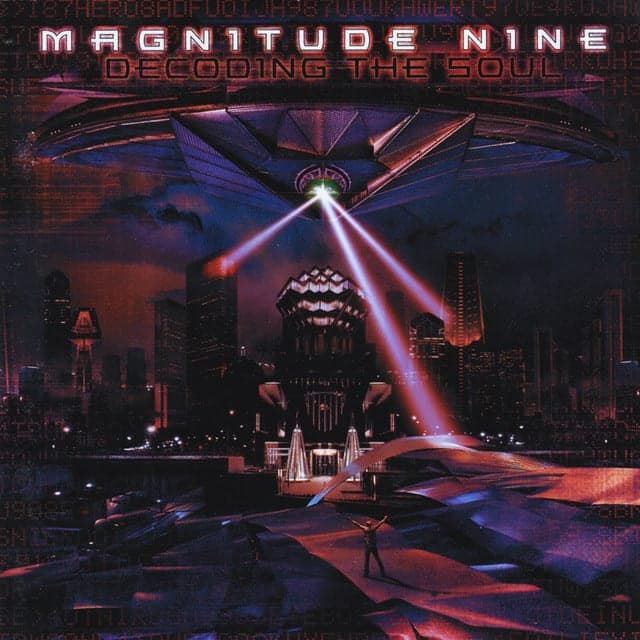
This symphonic experimentation creates opportunities for Ohio's progressive and experimental metal acts. Bands like Magnitude 9, with their neoclassical and progressive metal foundations, are well-positioned to explore similar orchestral collaborations. The state's proximity to major symphony orchestras in Cleveland, Columbus, and Cincinnati provides practical resources for such ambitious projects.
The technical demands of orchestral collaboration also push metal musicians to refine their compositional skills. Away's description of the project as "quite an exercise in memory" highlights how these ventures force bands to deconstruct and rebuild their songs from the ground up, often revealing new layers within familiar compositions.
Crown Magnetar's Technical Precision Signals New Wave Innovation
Crown Magnetar's debut of "Impaled Genesis" during their tour with Archspire represents the cutting edge of technical death metal evolution. The band's emergence within extreme metal's technical wing demonstrates how new metal bands 2026 are pushing precision and complexity to new heights.
This technical evolution has direct implications for Ohio's death metal scene, where bands like Deliberalize and Toluca Lake are exploring their own approaches to death metal innovation. Toluca Lake's experimental and melodic death metal approach particularly aligns with the technical sophistication that defines the current wave of extreme metal acts.
The ability to debut new material during high-profile tours also illustrates how modern metal acts must balance studio perfection with live performance energy. Crown Magnetar's strategy of road-testing "Impaled Genesis" before its official release offers a model for Ohio bands looking to refine their material through audience feedback.

Parkway Drive's Studio Return Promises Genre-Defining Innovation
Parkway Drive's return to the studio signals another chapter in metalcore's ongoing evolution. The Australian band's consistent ability to reinvent their sound while maintaining their core identity makes them a crucial case study for how metal bands touring 2026 can balance innovation with fan expectations.
For Ohio's metalcore scene, Parkway Drive's approach offers valuable lessons in sustainable creativity. Bands like Convictions, operating within the Christian metalcore and post-hardcore realm, can study how established acts maintain their message while evolving their musical approach.
The band's mention of already beginning the songwriting process also highlights the extended timeline modern metal acts require for meaningful artistic development. This patient approach to creation contrasts sharply with the rapid-release culture dominating other genres, suggesting that metal's commitment to craftsmanship remains a defining characteristic.
Authenticity Debates Reshape Performance Standards
Chevelle's Sam Loeffler's emphasis on performing without backing tracks represents a broader authenticity movement within metal. His statement that "we're just three guys playing this music" resonates with an audience increasingly skeptical of over-produced live performances.
This authenticity focus creates advantages for Ohio's underground acts, many of whom have always prioritized raw performance over technological enhancement. The state's metal scene benefits from this shift toward genuine musicianship, as bands focused on actual performance skills find themselves aligned with current industry values.
The backing track debate also highlights generational differences within metal. While newer acts often incorporate technological elements as creative tools, veteran bands like Chevelle use their purely human approach as a competitive advantage, suggesting multiple valid paths for artistic expression.
Ohio Metal Scene's Strategic Position
These international developments create specific opportunities for Ohio metal bands. The state's diverse scene encompasses everything from thrash revival acts to experimental progressive bands, positioning local musicians to capitalize on multiple trending approaches.
The emphasis on deep catalog exploration benefits Ohio's veteran acts, while the push toward technical innovation serves emerging bands well. Additionally, the focus on authentic performance aligns with the state's underground values, creating a natural competitive advantage for metal bands from Ohio.
As the metal landscape continues evolving through historical appreciation and technical advancement, Ohio's scene stands well-positioned to contribute meaningfully to both trends. The state's combination of established venues, diverse band roster, and supportive underground community provides the foundation necessary for sustained artistic development.
For bands looking to join this evolution, the current moment offers unprecedented opportunities to develop both historical awareness and technical proficiency. Whether mining forgotten catalogs or pushing compositional boundaries, Ohio's metal acts have the resources and community support necessary to make lasting contributions to the genre's ongoing transformation.