Congressional Recognition and Cover Song Archives: Ozzy's Historic Honor and Rivers Cuomo's Vault Reveal Metal's Institutional Acceptance
The metal world witnessed a remarkable moment of institutional recognition this week as the United States House of Representatives officially honored Ozzy Osbourne for his "towering figure in the history of rock and heavy metal," acknowledging his "rebellious independence, creative freedom, and unapologetic individuality." This congressional acknowledgment represents a seismic shift in how metal's pioneers are perceived by mainstream American institutions—a far cry from the moral panic and legislative hearings that once surrounded heavy music.
The formal recognition comes at a time when cover songs and musical reinterpretation are reshaping how artists connect with diverse audiences. Weezer's Rivers Cuomo has quietly uploaded an extensive archive of cover songs to his YouTube channel, spanning everything from Metallica's metal anthems to Dolly Parton's country classics. While these recordings aren't directly tied to Weezer's upcoming arena tour or new album plans, they reveal an artist's personal relationship with the songs that shaped him—including several tracks that would be considered among the best heavy metal songs of all time.
This convergence of institutional honor and artistic exploration signals a broader transformation in how metal's legacy is being preserved and recontextualized. When Congress formally recognizes Ozzy's contributions to American culture, it validates decades of artistic rebellion that once faced government scrutiny. The timing couldn't be more significant for understanding metal's journey from underground movement to recognized cultural force.
Generational Bridge Building Through Musical Interpretation
Cuomo's cover song project represents something deeper than casual musical experimentation. By tackling Metallica alongside Green Day and Guns N' Roses, he's demonstrating how metal's influence has permeated multiple generations of songwriters, even those not primarily associated with heavy music. This cross-pollination effect has been particularly evident in Ohio's metal scene, where bands like Chimaira have long understood the value of drawing from diverse musical sources while maintaining their core heavy identity.

The breadth of Cuomo's cover choices—spanning metal, punk, alternative rock, and even country—mirrors the increasingly fluid boundaries between genres that define modern heavy music. When a mainstream rock artist dedicates time to interpreting classic metal tracks alongside vastly different material, it suggests these songs have transcended their original scene to become part of a broader musical language that artists use to communicate across generational and stylistic divides.
This approach to musical reinterpretation offers valuable lessons for emerging bands navigating today's fragmented music landscape. Rather than restricting themselves to narrow genre definitions, successful artists are increasingly showcasing their range and influences through creative interpretation, building bridges between different fan communities while establishing their own artistic credibility.
Touring Dynamics and Regional Scene Development
While major touring announcements continue to shape the metal landscape—with bands like The Sword and Red Fang mapping out West Coast runs—the real story lies in how these touring patterns create opportunities for regional scenes to develop their own identity. The focus on coastal markets by established acts leaves significant gaps that ambitious local bands can strategically fill, particularly in markets hungry for live heavy music.
Ohio's central location and strong venue infrastructure position the state's metal bands to capitalize on these touring gaps. When established acts skip regional markets or focus primarily on coastal cities, it creates opportunities for local bands to build stronger regional followings and develop their performance skills without competing directly against major touring acts for audience attention.
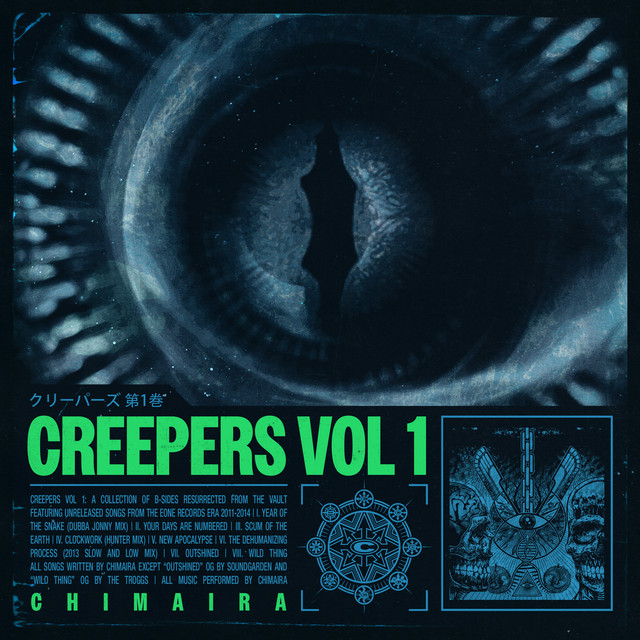
The state's diverse metal scene—spanning everything from technical death metal to stoner rock to progressive metal—means ohio metal bands can serve multiple musical niches that might otherwise go unfilled between major touring cycles. This regional strength becomes particularly valuable as touring costs continue to rise and established bands become more selective about their routing strategies.
Legacy Building and Artistic Authenticity
Rush's Geddy Lee recently shared insights about maintaining fan loyalty through stylistic evolution, noting that "with every shift in style, we lost fans, but we gained other fans." This wisdom speaks directly to the challenges facing both veteran acts and emerging bands in an era where artistic authenticity is increasingly scrutinized alongside commercial considerations.
Lee's observation that fans are "investing in you" rather than just your music highlights the importance of building genuine connections that transcend any single song or album. This relationship-based approach to fan development has particular relevance for Ohio's developing metal acts, who must establish their identity in a competitive landscape while staying true to their artistic vision.
The connection between artistic authenticity and long-term success becomes even more significant when considering how metal's pioneers are now receiving formal recognition from institutions that once viewed their music with suspicion. Ozzy's congressional honor validates the artistic merit of rebellious independence—the very quality that initially made his music controversial.
Innovation Within Tradition
Lamb of God's Mark Morton recently reflected on the band's unique position in the metal landscape, noting that despite 25 years of influence, no one "straight up sounds like Lamb of God." This observation reveals something crucial about authentic artistic development: truly innovative bands create sounds that can inspire without being easily replicated.
Morton's insight has particular relevance for emerging metal acts trying to establish their own identity. Rather than directly copying established bands, the most successful new acts find ways to channel influences through their own creative perspective, creating something familiar yet distinctly their own. This approach requires both technical skill and artistic confidence—qualities that develop through consistent performance and creative experimentation.
The challenge for new metal bands in 2026 is finding unexplored territory within metal's well-established framework. Success requires understanding the genre's fundamental elements while identifying fresh ways to combine and interpret those elements. This balance between tradition and innovation defines the most compelling new metal bands emerging from scenes like Ohio's, where diverse influences and strong musical communities provide fertile ground for creative development.
Archive Culture and Historical Preservation
The emergence of archived material—from Cuomo's cover song uploads to various bands mining their catalogs for rare releases—reflects metal's growing awareness of its own history. This archive culture serves multiple purposes: it satisfies fan curiosity, provides context for artistic development, and creates additional revenue streams for bands navigating challenging industry economics.
For Ohio's metal scene, this emphasis on preservation and historical context creates opportunities to document and celebrate the state's contributions to heavy music. From pioneering bands that helped define specific subgenres to current acts pushing boundaries, the state's metal history deserves the same attention being paid to more traditionally recognized metal scenes.
The congressional recognition of Ozzy's cultural impact demonstrates how attitudes toward metal's historical significance are shifting. What was once dismissed as noise is now acknowledged as legitimate artistic expression worthy of formal recognition. This transformation creates space for regional scenes to assert their own historical importance and cultural value.
As 2026 progresses, the intersection of institutional recognition, artistic reinterpretation, and historical preservation will continue shaping how metal's legacy develops. For ohio metal bands, these trends represent both validation of the genre's cultural importance and opportunities to contribute meaningfully to metal's ongoing evolution. The challenge lies in balancing respect for tradition with genuine innovation—the same balance that earned pioneers like Ozzy their place in both metal history and congressional recognition.