Sanguisugabogg's Lamb of God Tour Success and Album Anniversary Cycles Signal Ohio Death Metal's Rising Profile
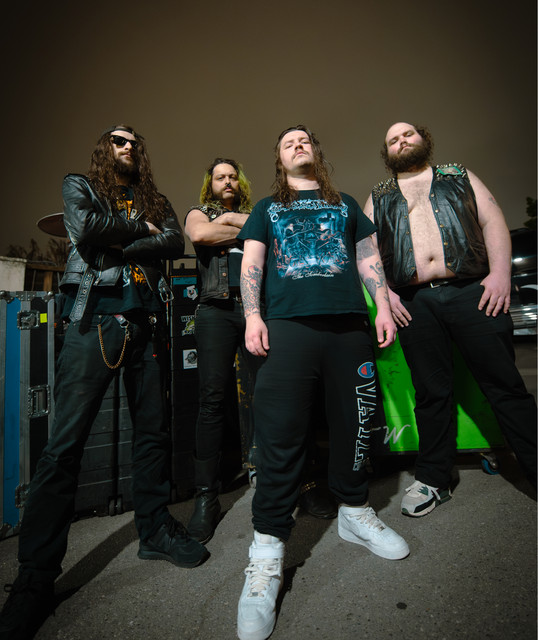
While metal legends revisit their archives and major touring packages navigate the final stretches of massive campaigns, Ohio's death metal scene continues building momentum through strategic positioning and brutal authenticity. The current landscape reveals fascinating contrasts between established acts mining their catalogs and emerging regional powerhouses like Sanguisugabogg proving that fresh brutality still commands attention on the biggest stages.
The Archive Mining Phenomenon Reaches Fever Pitch
Iron Maiden's recent performance of "Infinite Dreams" — their first rendition in three decades — exemplifies how even the most prolific metal bands from ohio and beyond are reaching deeper into their vaults. This isn't mere nostalgia; it's strategic catalog management that creates premium experiences for longtime fans while generating fresh content without new recording investments. When a band of Maiden's stature acknowledges they've "done a little bit of something different," it signals how even the 80s metal bands are adapting to modern audience expectations for rare performances.
The psychology behind these deep catalog revivals extends beyond simple fan service. As touring becomes increasingly expensive and unpredictable, established acts leverage their historical depth as a competitive advantage. This creates interesting dynamics for newer acts — they can't compete with thirty-year archives, but they can offer the raw energy and hunger that veteran acts sometimes struggle to maintain.
Major Touring Packages Showcase Brutal Diversity
The current Lamb of God touring package, featuring Kublai Khan TX, Fit For An Autopsy, and Ohio's own Sanguisugabogg, represents everything working correctly in modern metal touring. This isn't random bill assembly — it's carefully curated brutality that allows each band to reach audiences they might never encounter independently. For Sanguisugabogg, sharing stages with Lamb of God provides invaluable exposure while their uncompromising slam death metal approach offers something genuinely different from the package's other elements.
These multi-generational touring packages benefit everyone involved. Headliners like Lamb of God maintain relevance by associating with emerging scenes, while support acts gain credibility through proximity to established names. The model proves particularly effective for extreme subgenres like slam death metal, which might struggle to fill venues independently but can devastate audiences when properly contextualized within broader metal programming.
Health Realities Reshape Veteran Priorities
Recent industry conversations about mortality and touring sustainability reveal shifting priorities across metal's veteran community. When seasoned musicians openly discuss not wanting to "die on stage," it reflects broader industry recognition that the road takes serious physical and mental tolls. These conversations matter for Ohio metal bands at every level — understanding sustainable touring practices early can extend careers significantly.
The departure of musicians mid-tour due to health concerns has become increasingly common, forcing bands to develop contingency plans and prioritize member wellbeing over tour commitments. This shift creates opportunities for younger musicians willing to step into substitute roles, while also normalizing conversations about health that were previously considered weakness in metal culture.
Authenticity Debates Define Live Performance Standards
Current discussions about backing tracks and live performance authenticity reflect deeper questions about what audiences expect from metal shows. Some bands embrace technological enhancement, while others proudly advertise their "no tracks" approach as authenticity badges. This divide affects audience expectations and creates different performance categories within the same genre.
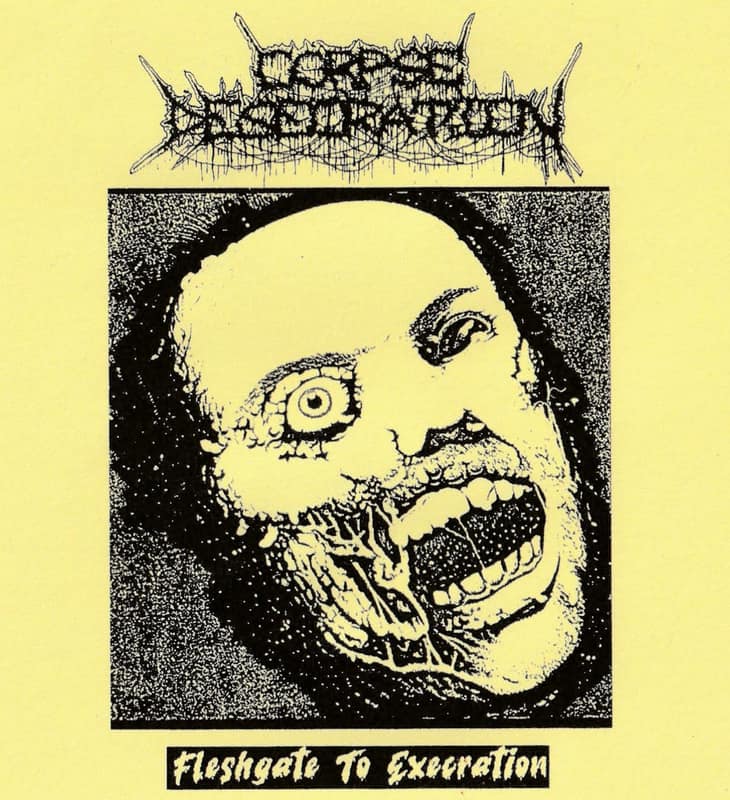
For Ohio metal bands developing their live approaches, these debates offer strategic considerations. Bands like 200 Stab Wounds and Corpse Desecration can position their raw live energy as authentic alternatives to more produced presentations, while acts incorporating electronic elements might embrace technological enhancement as artistic tools rather than crutches.
Album Development Cycles Accelerate Creative Pressure
Recent announcements about new album development from established acts reveal accelerated creative cycles that pressure all metal bands to maintain productive output. When veteran acts discuss returning to "traditional" sounds or capturing specific era atmospheres, they're responding to fan expectations while managing creative evolution pressures. These decisions offer lessons for new metal bands 2026 about balancing consistency with innovation.
The pressure to produce distinguishable albums in saturated markets affects regional scenes differently than established acts. Ohio bands must create memorable impressions quickly, often without the luxury of gradual stylistic evolution that established acts enjoy. This reality demands strategic thinking about debut releases and early touring decisions.
Cross-Genre Experimentation Expands Metal's Boundaries
Recent coverage of bands incorporating unexpected influences — from AC/DC covers by rock acts to electronic integration across subgenres — demonstrates metal's continuing evolution. These experiments matter for regional scenes because they reveal audience openness to stylistic diversity. Ohio's metal scene benefits from this flexibility, allowing acts to pursue unique combinations without rigid genre policing.
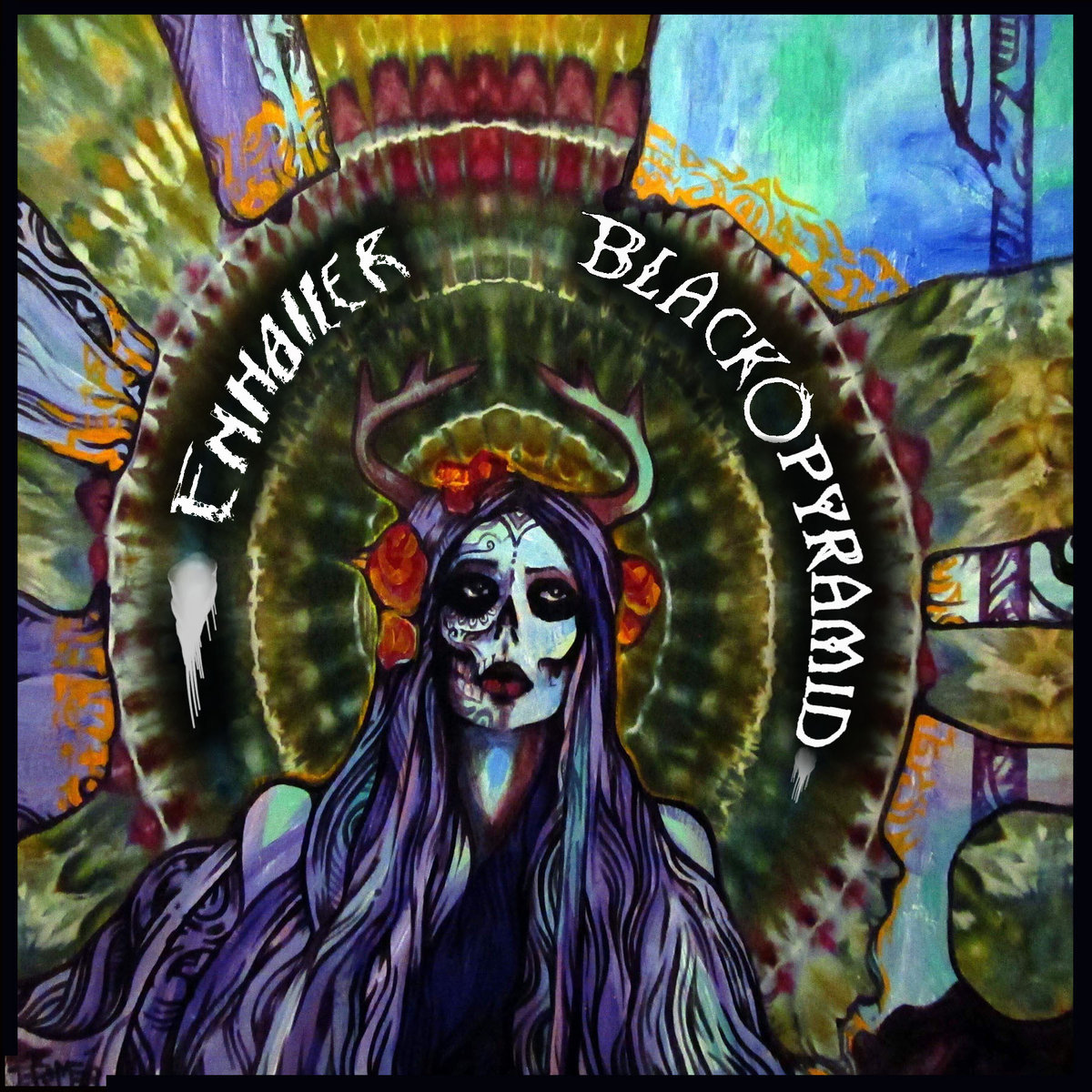
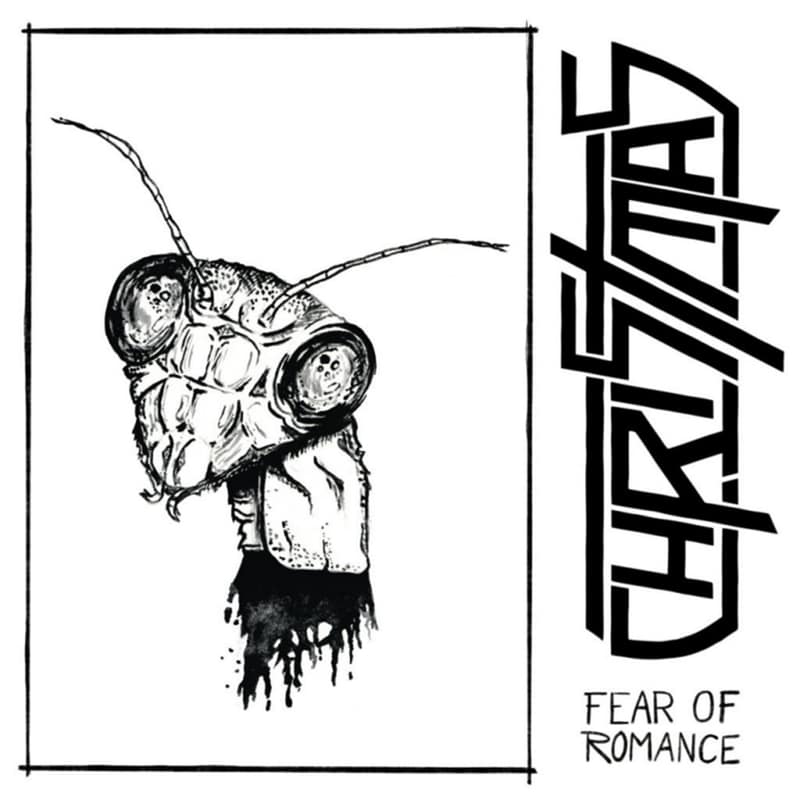
The success of genre-blending approaches creates opportunities for Ohio metal bands to explore distinctive sounds without sacrificing core audiences. Acts like Enhailer in the doom/sludge realm or Christmas with their doom/post-metal approach represent this experimental spirit within Ohio's underground.
Strategic Opportunities for Ohio's Metal Underground
The current industry landscape creates specific opportunities for ohio metal bands willing to think strategically. While major acts focus on catalog mining and health management, regional scenes can emphasize vitality, hunger, and innovation. The contrast between established acts' careful approaches and emerging acts' raw energy creates natural market positioning.
Ohio's geographic advantages — central location, reasonable venue costs, established festival infrastructure — become more valuable as touring becomes more expensive and selective. Bands that build strong regional followings can leverage these advantages into broader touring opportunities, especially as major acts become more selective about their routing.
The success of acts like Sanguisugabogg on major touring packages proves that Ohio metal can compete nationally when properly positioned. Their slam death metal approach offers something genuinely different from mainstream metal, while their work ethic and regional support system provide sustainable foundations for career growth. This combination of distinctiveness and reliability appeals to promoters and booking agents seeking reliable support acts.
Looking ahead, Ohio's metal scene benefits from industry-wide trends toward authenticity, health consciousness, and strategic touring. The best heavy metal songs still come from genuine artistic expression rather than calculated market targeting, and Ohio's diverse underground continues producing artists who prioritize substance over image. As established acts navigate complex industry pressures, regional scenes that maintain focus on music quality and sustainable practices position themselves for long-term success.