Death Metal Renaissance and Power Metal Innovation: International Comebacks and Label Partnerships Signal Genre Diversity Evolution
The international metal scene is experiencing a fascinating duality as death metal veterans revisit their formative years while power metal acts forge new creative partnerships. From Rick Rozz's reflections on early Death material to Masterplan's upcoming album release, these developments reveal how established artists are balancing nostalgia with innovation—a trend that offers valuable insights for Ohio's diverse metal underground.
Death Metal's Foundational Revisitation
Rick Rozz's recent commentary on Left to Die's newly recorded versions of early Death and Mantas songs provides a window into death metal's formative influences. His observation about the heavy Slayer and Venom influence in those early recordings underscores how thrash and black metal elements shaped what would become death metal's foundational sound. This retrospective approach—veteran musicians re-examining their roots with decades of hindsight—represents more than simple nostalgia.
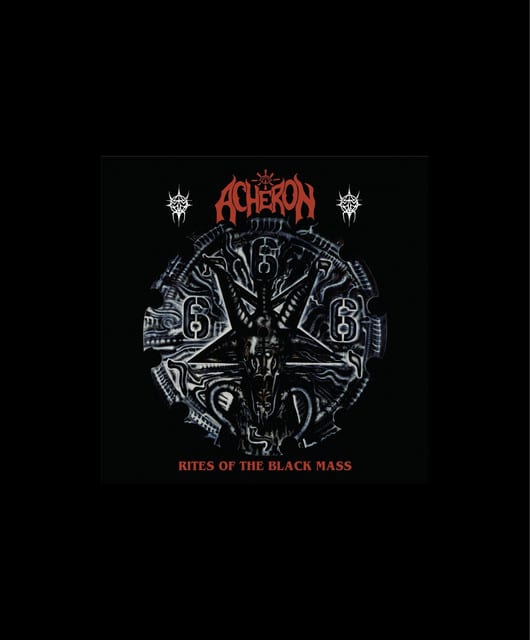
For Ohio death metal acts, this trend toward foundational exploration offers strategic opportunities. Bands like Acheron and Siegelord can learn from how veteran artists are successfully mining their early material while bringing contemporary production values and performance skills to bear. The key insight from Rozz's project is how explicitly acknowledging influences—rather than hiding them—can create compelling artistic statements.
This foundational revisitation also highlights death metal's continued evolution. When artists with Rick Rozz's credentials emphasize the cross-genre pollination that shaped early death metal, it validates the experimental approaches many contemporary bands are taking. The genre's willingness to examine its own history suggests a maturity that benefits newer acts seeking to establish their own identities within established frameworks.
Power Metal's Strategic Label Partnerships
Masterplan's upcoming "Metalmorphosis" album, set for release through Frontiers Music, represents the ongoing vitality of power metal's European scene. Roland Grapow's continued creative output demonstrates how veteran musicians from legendary acts can successfully transition into new projects while maintaining artistic relevance. The partnership with Frontiers—a label known for supporting both established and emerging metal acts—suggests a strategic approach to reaching both existing fans and new audiences.
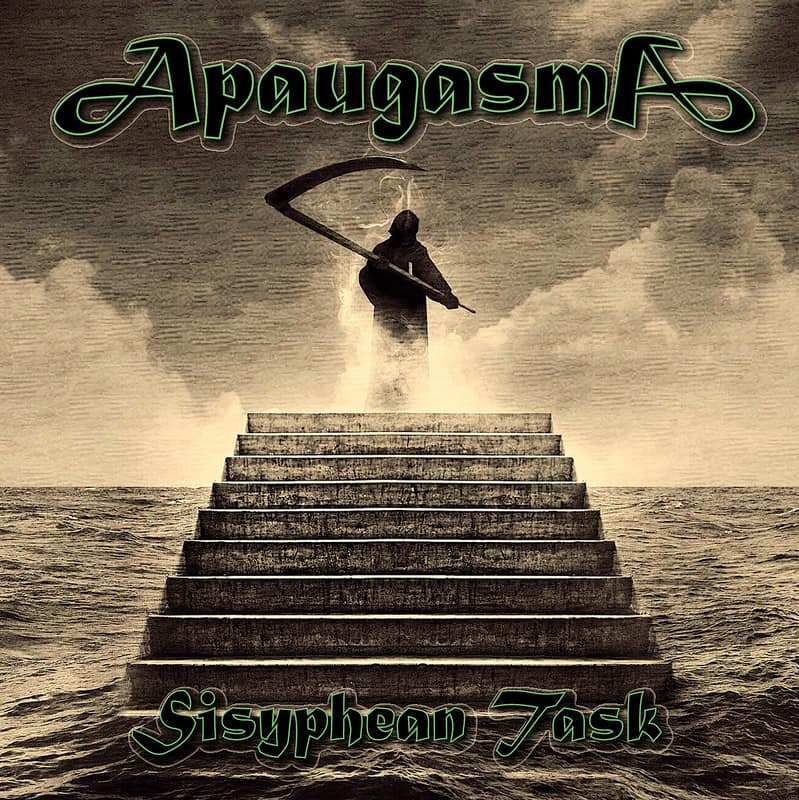
The timing of this release coincides with power metal's broader resurgence in international markets. For Ohio power metal acts like Apaugasma, observing how established artists navigate label relationships and album cycles provides valuable industry insights. Masterplan's approach—maintaining consistent output while leveraging label resources for broader reach—offers a template for regional acts seeking to expand their influence.
Power metal's emphasis on technical proficiency and melodic sophistication continues to attract musicians from other genres. This cross-pollination effect creates opportunities for Ohio's metal scene, where bands often incorporate power metal elements into otherwise heavy or extreme compositions. The genre's current momentum suggests that well-executed power metal can find international audiences when properly supported.
Festival Circuit Revelations
Maryland Deathfest's recent showcase of Solitude Aeturnus with guest vocalist Jason McMaster illustrates how festival platforms continue to facilitate unique musical collaborations. These one-off performances often become career-defining moments for both veteran and emerging acts. The festival's role as a proving ground for unusual lineups demonstrates the continued importance of live performance in metal's ecosystem.
For Ohio bands eyeing festival opportunities, the Maryland Deathfest model shows how established events can accommodate both reunion-style performances and experimental collaborations. The festival's willingness to host bands with guest musicians suggests programming flexibility that could benefit regional acts with compelling stories or unique presentations.
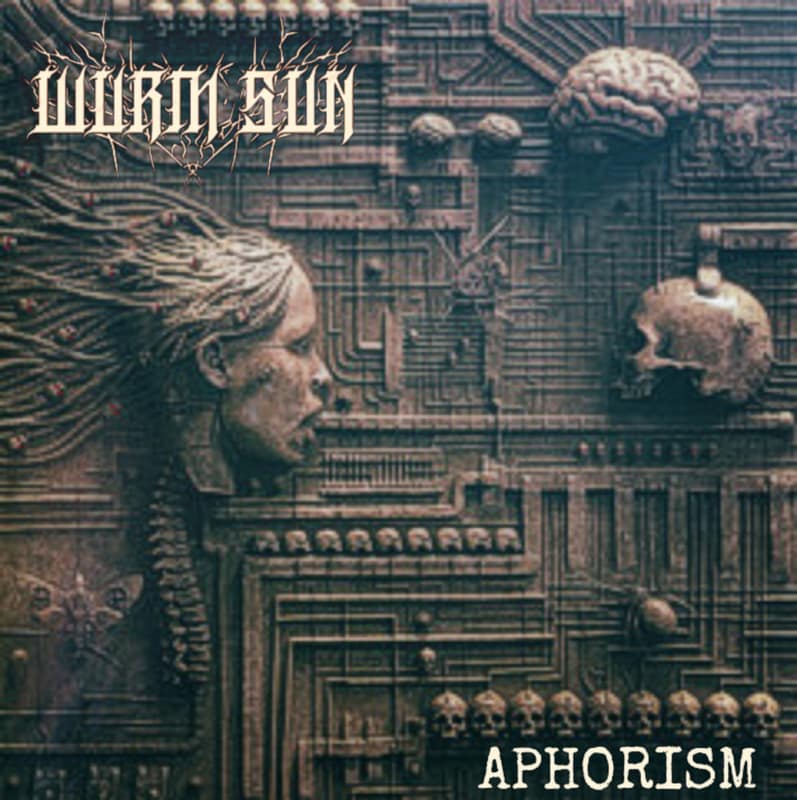
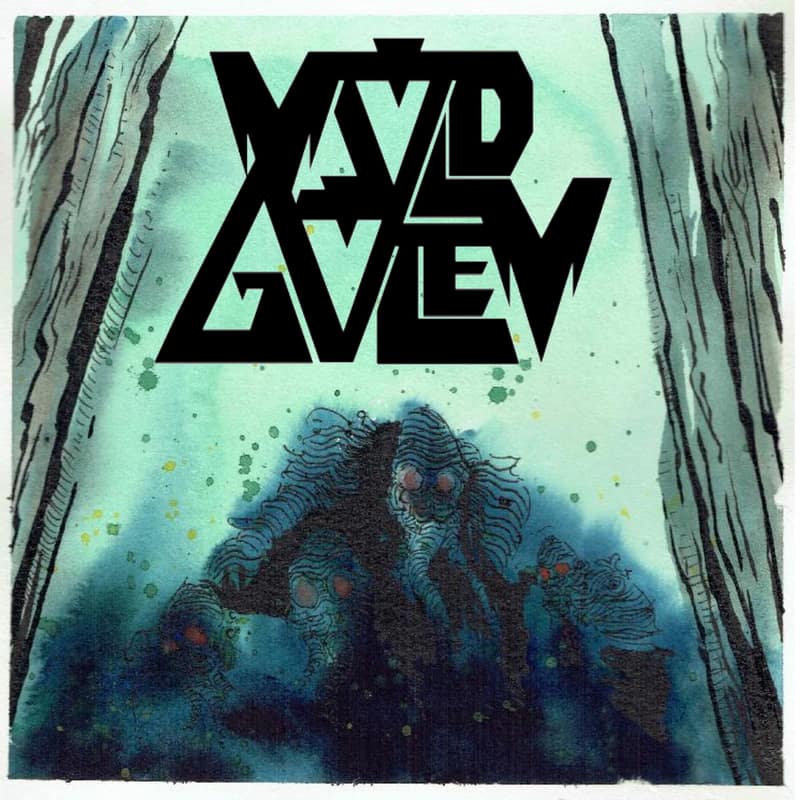
The doom metal focus of Solitude Aeturnus also highlights an underserved niche in festival programming. With doom metal representing one of the fastest-growing segments in heavy music, Ohio doom acts like Mold Golem and Wurm Sun could find opportunities in the festival circuit's increasing appetite for slower, heavier sounds.
Industry Professionalism and Personal Expression
Recent developments in how metal artists balance personal expression with professional obligations reveal the genre's evolving relationship with authenticity. When established artists share personal aspects of their lives, it often creates deeper connections with audiences while demonstrating the genre's increasing acceptance of diverse perspectives.
This trend toward personal authenticity in metal creates opportunities for Ohio artists to differentiate themselves through genuine storytelling and honest artistic expression. Rather than conforming to outdated genre stereotypes, successful contemporary metal acts often distinguish themselves through authentic personal narratives that resonate with specific audiences.
The supportive responses from both industry figures and fan communities when artists share personal information suggests that metal's audience values honesty over manufactured personas. This shift toward authenticity benefits emerging acts that might have previously felt pressure to conform to restrictive genre expectations.
International Perspective on Regional Development
The global metal scene's current emphasis on veteran acts revisiting their catalogs while simultaneously supporting new releases creates a unique environment for regional scenes. Ohio metal bands can benefit from studying how established international acts balance historical reverence with forward-looking creativity.
The success of projects like Left to Die—which explicitly celebrates death metal's foundational elements—suggests that audiences remain interested in genre exploration that honors metal's history. For Ohio's death metal scene, this indicates that bands don't need to constantly chase trends; instead, they can succeed by executing fundamental approaches with skill and passion.
Similarly, power metal's continued international success through strategic label partnerships demonstrates that traditional metal approaches can still find audiences when properly supported. Ohio's metal bands from Ohio operating across multiple genres can learn from these examples about balancing artistic integrity with strategic career decisions.
Looking Forward
As 2026 progresses, the metal scene's dual focus on historical appreciation and innovative partnerships suggests a healthy ecosystem that supports both emerging and established artists. The success of reunion projects, reinterpretation efforts, and new creative partnerships indicates that metal audiences value both nostalgia and innovation when executed with genuine artistic purpose.
For Ohio's metal scene, these international developments provide a roadmap for sustainable artistic growth. Whether following death metal's foundational exploration, power metal's strategic partnerships, or doom metal's festival opportunities, the current environment offers multiple pathways for regional acts to achieve broader recognition.
The key insight from these recent developments is that authenticity—whether through honest personal expression, genuine genre exploration, or strategic career decisions—continues to resonate with metal audiences. Ohio metal bands that combine authentic artistic vision with professional execution will find opportunities in this evolving landscape.