Personal Authenticity and Band Reconciliation: Caleb Shomo's Coming Out Statement and Bilmuri's Controversial Reunion Signal Metal's Identity Reckoning
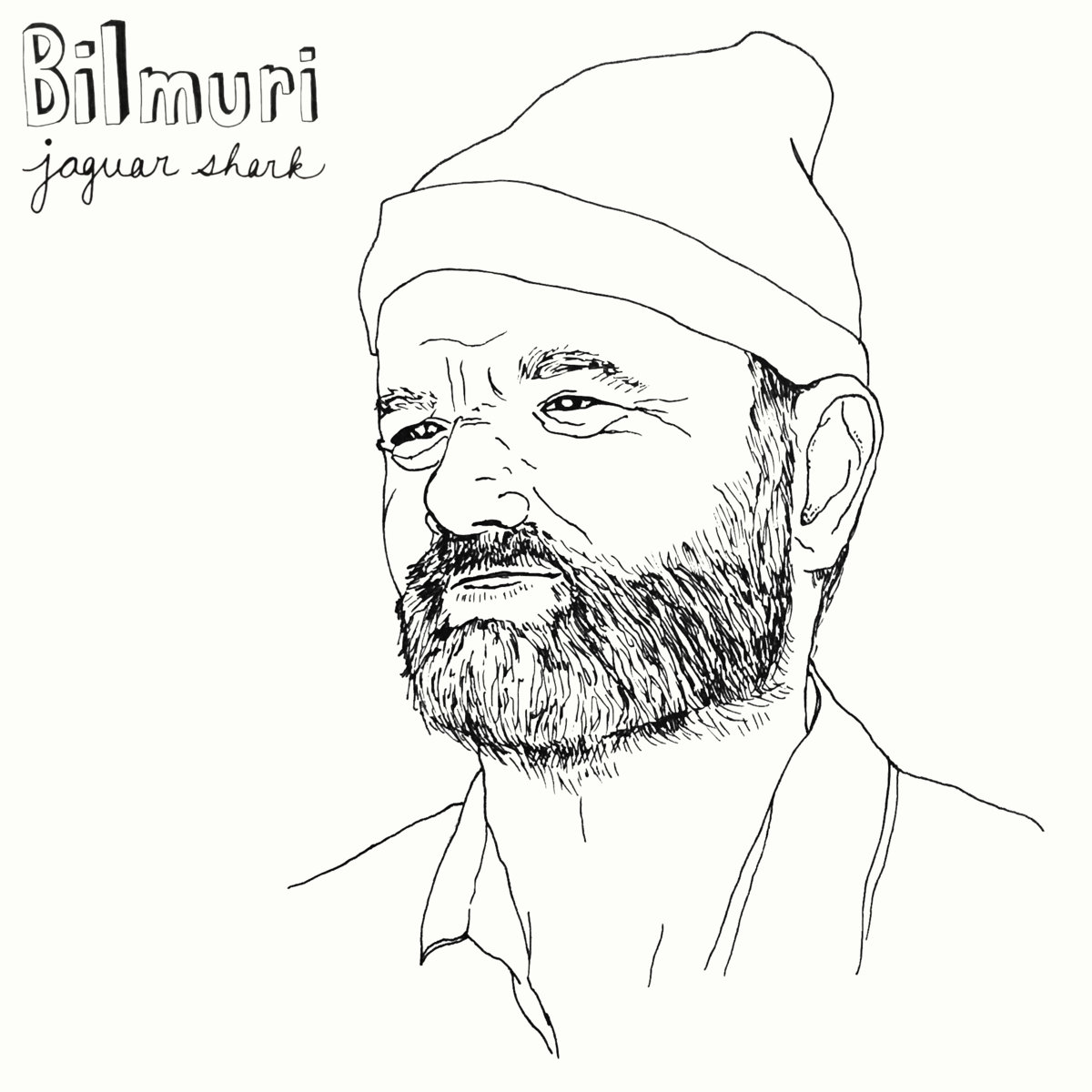
The heavy music world finds itself navigating complex personal and professional territory as two major developments highlight how authenticity, accountability, and reconciliation intersect within metal's tight-knit community. Beartooth frontman Caleb Shomo's public decision to come out as gay arrives alongside Bilmuri's controversial reunion with guitarist Reese Maslen, who previously departed amid abuse allegations—creating a stark contrast in how artists address personal truth versus professional rehabilitation.
Shomo's announcement represents a significant moment for metal's LGBTQ+ visibility, addressing speculation with direct honesty: "There's been a lot of speculation surrounding my personal life as of late and I feel compelled to set the record straight before it affects those I love any further." His wife's supportive public response—"I will always want to love, protect and support Caleb"—demonstrates how personal authenticity can strengthen rather than fracture professional relationships when handled with transparency and mutual respect.
Ohio's Alternative Metal Scene and Personal Identity
For Ohio's metal scene, these developments carry particular weight as regional acts navigate similar questions of authenticity and accountability. Bilmuri, one of the state's most recognized alternative metal exports, faces scrutiny over Maslen's return after just four months away from the band following abuse allegations. The timing raises questions about whether brief absences constitute adequate reflection and change, particularly when compared to the courage required for genuine personal revelations like Shomo's coming out statement.
The contrast illuminates different approaches to crisis management within metal communities. While Shomo chose vulnerability and honesty to address speculation, Bilmuri's reunion suggests a more traditional "wait it out" approach that may satisfy business considerations without fully addressing underlying community concerns about accountability and change.
Ohio metal bands from across genres—whether the experimental approaches of groups working in post-metal territory or the straightforward heavy metal traditionalists—can observe how personal authenticity resonates differently than professional damage control. The local scene's diversity includes acts that have built careers on honest expression, making these industry examples particularly relevant for emerging artists considering how to balance personal truth with professional advancement.
Festival Platforms and Community Building
The announcement of Inkcarceration's daily schedule, featuring headliners Gojira and Limp Bizkit at Ohio State Reformatory, provides context for how major festival platforms can either amplify or diminish these deeper industry conversations. Prison-based festivals like Inkcarceration create unique atmospheres where authenticity feels more immediate and raw—potentially making them ideal venues for artists who prioritize genuine connection over polished presentation.
Ohio's position as a festival destination means local acts witness firsthand how major artists handle personal and professional challenges on large stages. The state's metal bands can leverage these observations, understanding that festival audiences increasingly value authentic expression over carefully managed personas. This shift benefits artists willing to embrace vulnerability while challenging those who prioritize image management over genuine community building.
The juxtaposition of Shomo's personal honesty with Bilmuri's professional maneuvering also highlights how different approaches to crisis communication can impact long-term career sustainability. Metal audiences, particularly in Ohio's tight-knit scene, tend to remember how artists handle difficult moments, making authentic responses potentially more valuable than calculated ones.
Legacy Acts and Modern Authenticity Standards
Meanwhile, veteran acts like Iron Maiden's return to rarely performed deep cuts demonstrates how established artists can embrace authenticity through musical choices rather than personal revelations. Their decision to perform "Infinite Dreams" for the first time in 38 years shows how artistic vulnerability can manifest through creative risk-taking rather than biographical disclosure.
These examples provide Ohio's metal scene with multiple models for authentic expression. Some artists may find personal honesty most powerful, others might choose creative vulnerability, while still others could focus on community accountability. The key appears to be genuine commitment to chosen approaches rather than superficial gestures designed primarily for damage control or publicity management.
For emerging Ohio metal bands, these industry developments offer strategic insights into building sustainable careers based on authentic foundations. The contrast between Shomo's courage and Bilmuri's more conventional approach suggests that audiences increasingly reward artists who prioritize genuine expression over calculated image management.
Community Response and Industry Evolution
The broader metal community's response to both situations reveals evolving standards around personal authenticity and professional accountability. Shomo's announcement has generally received support from peers and fans, suggesting that LGBTQ+ visibility in metal continues gaining acceptance despite the genre's historically conservative reputation in some circles.
Conversely, reactions to Bilmuri's reunion reflect ongoing debates about redemption, timing, and appropriate consequences for misconduct allegations. These conversations matter particularly for Ohio's metal scene, where bands often maintain close relationships and community accountability operates through personal networks rather than industry institutions.
Local acts can benefit from observing how these situations develop long-term, understanding that initial reactions may differ from sustained community attitudes. Artists who prioritize authentic community building over short-term image management often discover that genuine approaches create stronger foundations for career longevity.
The intersection of personal authenticity and professional accountability will likely continue shaping metal's evolution as younger generations of artists and fans expect greater transparency and responsibility from their musical communities. Ohio's diverse metal scene—encompassing everything from traditional heavy metal to experimental cross-genre work—positions the state's artists well to lead these conversations rather than merely react to industry developments elsewhere.
As these stories continue developing, Ohio's metal community has opportunities to demonstrate how regional scenes can balance support for personal authenticity with expectations for professional accountability, creating models that could influence broader industry standards around both individual expression and collective responsibility.