Legacy Metal Icons Navigate Lineup Changes and Rare Song Revivals While Ohio's Doom Scene Draws International Inspiration
Major metal bands are embracing both uncertainty and nostalgia in equal measure this year, creating fascinating parallels for Ohio's underground scene. Recent developments in iconic lineups and rare song revivals demonstrate how veteran acts balance tradition with evolution—lessons that resonate deeply with the Buckeye State's diverse metal community.
Fieldy's Korn Hiatus Creates Space for Experimentation
Korn's ongoing lineup adjustments continue as bassist Fieldy maintains his indefinite hiatus from the band, leaving the door open for a potential return without any concrete timeline. His "we'll see what tomorrow brings" approach reflects a broader trend among veteran metal musicians who are prioritizing personal well-being over rigid career commitments. This measured approach to band member transitions offers valuable insights for Ohio's metal acts navigating their own personnel challenges.
The flexibility Korn demonstrates in adapting their sound without their longtime bassist mirrors strategies that Tomorrow and other Ohio doom metal acts have employed when facing lineup changes. The doom metal genre's emphasis on atmospheric weight over technical complexity often makes it more adaptable to member transitions, creating opportunities for bands to explore new sonic territories during periods of change.
Iron Maiden's Rare Song Revival Sets Precedent for Deep Cuts
Iron Maiden's decision to perform "Infinite Dreams" for the first time in three decades demonstrates how established acts can surprise audiences by mining their extensive catalogs. The band's deliberate choice to offer "something different" to fans who had seen previous shows reflects a sophisticated understanding of audience engagement that goes beyond simply playing the hits.
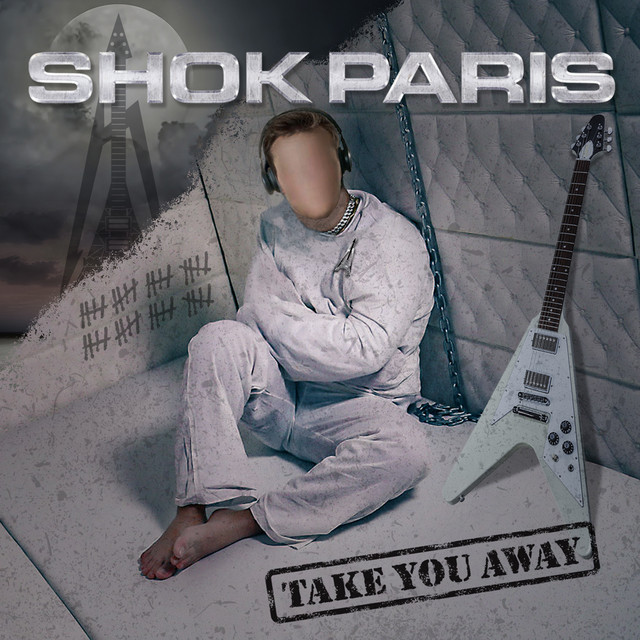
This approach to setlist curation has particular relevance for Ohio metal bands from the '80s era. Acts like Shok Paris, with their extensive catalog spanning decades, could similarly leverage deep cuts to create unique live experiences. The strategy works especially well for bands with dedicated regional followings who attend multiple shows and crave variety.
The revival of rarely-performed songs also speaks to metal's complex relationship with its own history. Unlike genres that constantly chase trends, metal's best metal bands of all time have learned that their archives contain untapped value that can feel fresh to contemporary audiences.
Motörhead Legacy Mourning and Band Chemistry Lessons
Mikkey Dee's reflections on the classic Motörhead lineup underscore how irreplaceable certain band chemistries become. His sentiment that "we were such a team" and his assertion that he would still be there if Lemmy were alive highlights the deeply personal bonds that define metal's greatest collaborations. These relationships often transcend purely musical considerations, creating ensemble dynamics that cannot be artificially recreated.
For Ohio's metal scene, Dee's comments serve as a reminder that the best metal bands emerge from genuine interpersonal connections rather than transactional arrangements. The state's thriving underground benefits from musicians who prioritize long-term creative partnerships over short-term opportunities, building the kind of trust and intuitive communication that Motörhead exemplified.
Studio Activities Signal Creative Momentum
Parkway Drive's apparent return to studio work suggests that established metal acts are using 2026 as a year for creative renewal rather than simply touring on past material. The Australian metalcore pioneers' studio activity aligns with a broader pattern of bands prioritizing new material development over extensive touring schedules.
This emphasis on studio work creates ripple effects throughout the metal ecosystem. When major acts focus on recording, it often frees up venue availability and audience attention for regional scenes. Ohio's metal underground stands to benefit from these gaps, particularly as international touring becomes more logistically complex and expensive for mid-tier acts.
Health Concerns and Realistic Career Planning
The recent departure of Spineshank guitarist Jason Hager from their 25th anniversary tour due to health concerns reflects a growing acknowledgment within metal that physical sustainability must be balanced against career ambitions. Similarly, Exodus guitarist Gary Holt's recent comments about mortality and stage performance reveal how veteran musicians are grappling with the physical demands of their craft.
These developments highlight the importance of realistic career planning for metal bands from ohio and beyond. The romanticized notion of "dying on stage" is giving way to more practical approaches that prioritize longevity and quality of life. Ohio's metal musicians, particularly those in physically demanding subgenres like thrash and death metal, can learn from these examples by building sustainable performance practices early in their careers.
Traditional Metal Returns and Ohio's NWOTHM Potential
Judas Priest bassist Ian Hill's description of their upcoming album as "more traditional" than recent releases signals a broader return to classic heavy metal approaches among veteran acts. This trend toward traditional metal values creates opportunities for Ohio's newer heavy metal bands to align with current preferences rather than chasing more experimental directions.
The emphasis on traditional metal approaches particularly benefits Ohio's developing NWOTHM (New Wave of Traditional Heavy Metal) scene. Bands that focus on classic metal songwriting, twin guitar harmonies, and powerful vocals find themselves riding a wave of renewed interest from both audiences and industry professionals seeking alternatives to overly complex or heavily produced modern metal.
Live Performance Authenticity Debates
Chevelle drummer Sam Loeffler's criticism of bands relying heavily on backing tracks during live performances has reignited debates about authenticity in metal performance. His emphasis that Chevelle performs as "three guys playing music" without technological assistance appeals to metal's traditional values while challenging other acts to maintain similar standards.
This authenticity discussion has particular resonance for Ohio's underground metal scene, where most bands lack the resources for elaborate backing track setups anyway. The emphasis on raw, unadorned performance actually advantages regional acts over their major-label counterparts, creating opportunities for Ohio metal bands to differentiate themselves through genuine live energy rather than technological perfection.
Former Member Solo Projects and Creative Independence
Roy Khan's plans to recreate Kamelot's sound on his solo album demonstrate how former band members are approaching creative independence. Rather than completely departing from successful formulas, Khan's strategy involves adapting proven approaches to new contexts—a model that could benefit other musicians seeking to leverage their previous work while establishing individual identities.
The approach has relevance for Ohio metal musicians who have left successful regional acts or are considering side projects. Rather than completely reinventing themselves, artists can build on their established strengths while exploring new creative territories. This strategy particularly benefits vocalists and primary songwriters who want to maintain their signature sounds while gaining full creative control.
As Ohio's metal scene continues evolving, these national trends provide both inspiration and practical guidance. The state's diverse metal community—from Columbus's thriving venues to Cleveland's historic metal legacy—remains well-positioned to benefit from the industry's current emphasis on authenticity, traditional values, and sustainable career practices. Whether through upcoming shows or new band formation, Ohio's metal future looks increasingly bright as the genre rediscovers its foundational strengths.