MySpace Nostalgia Meets Rap Innovation: Genre Fusion and Anniversary Celebrations Define Metal's Memory Lane Evolution
The metal scene's relationship with its own history has never been more complex or creative. As bands increasingly mine the MySpace era for inspiration while simultaneously pushing genre boundaries through unexpected fusions, the current landscape reveals how nostalgia and innovation can coexist in surprisingly productive ways. This trend is particularly visible in Ohio, where the state's diverse metal underground has always embraced both reverence for metal's roots and bold experimentation.
MySpacecore Revival Meets Hip-Hop Innovation
The most striking example of this nostalgic innovation comes from bands like Gradience, who are explicitly channeling the MySpace era's metalcore sound while infusing it with rap elements. Their approach to combining the melodic sensibilities of mid-2000s metalcore with hip-hop vocals represents a fascinating evolution of what was already a genre-blending movement. The MySpace era, roughly 2003-2009, was defined by bands who weren't afraid to mix clean vocals with harsh screams, incorporate electronic elements, and blur the lines between hardcore and metal.
What makes this revival particularly interesting is how these newer bands are treating MySpacecore not as a relic to be faithfully reproduced, but as source material for further experimentation. The integration of rap vocals over metalcore instrumentals isn't entirely new—bands experimented with this combination during nu-metal's heyday—but the current wave approaches it with a different sensibility, one that's more informed by both the melodic sophistication that metalcore achieved and the technical proficiency that hip-hop has developed.
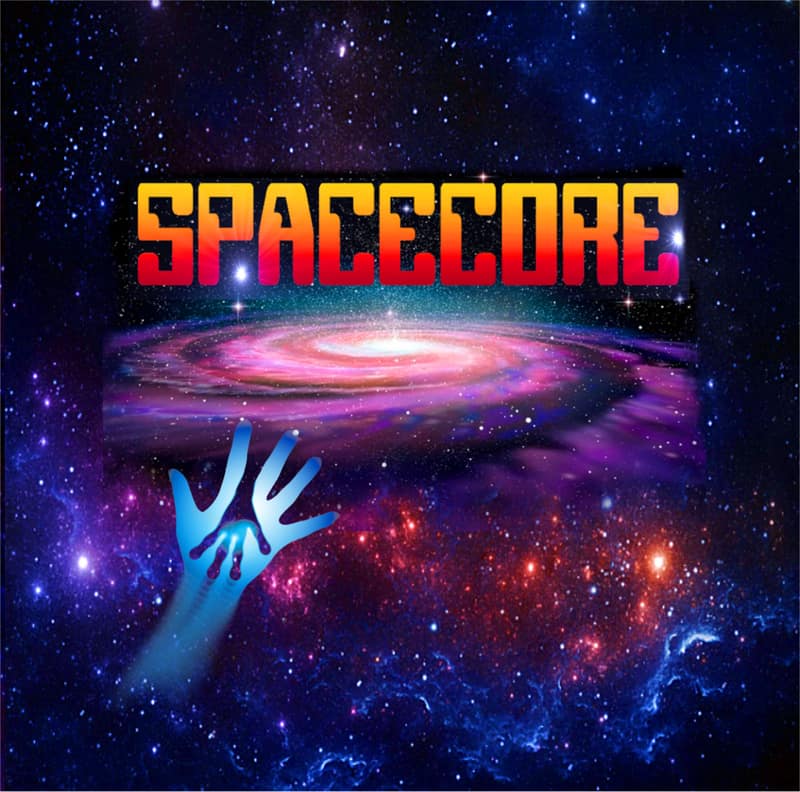
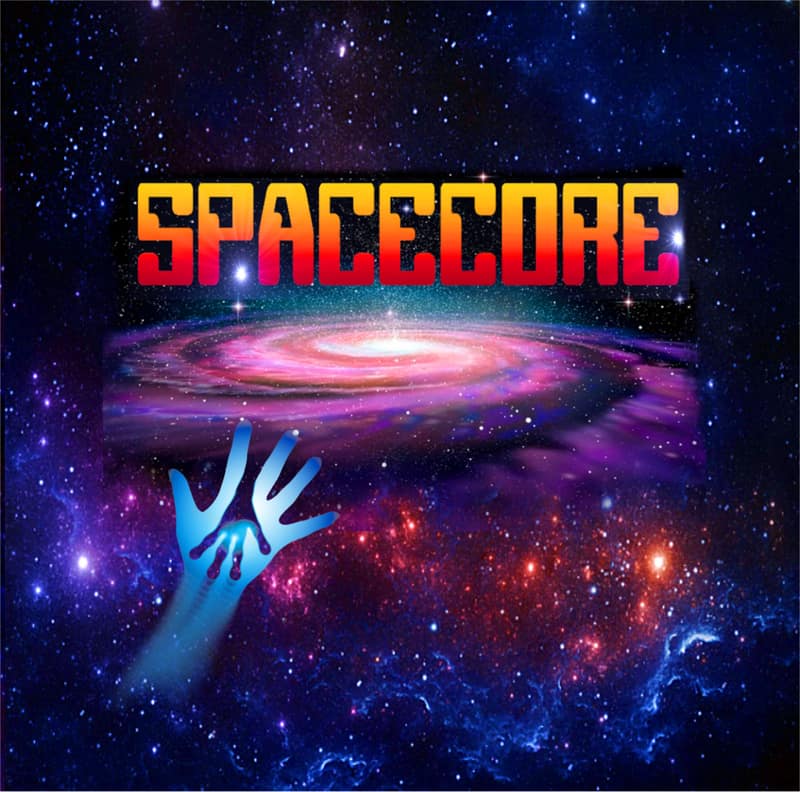
For Ohio's metal scene, this trend offers valuable lessons in creative recycling. Bands like SpaceCore, with their experimental approach to heavy metal, are perfectly positioned to capitalize on this fusion trend. The key insight here is that nostalgia doesn't have to mean stagnation—it can be a launching pad for innovation when bands use familiar elements as building blocks for something genuinely new.
Anniversary Celebrations and the Re-Recording Renaissance
Another significant trend emerging is the practice of bands re-recording their classic albums for anniversary celebrations. With Blood Comes Cleansing's decision to completely re-record their debut album "Golgotha" for its 20th anniversary represents more than just a nostalgic cash grab—it's a statement about how bands view their own artistic evolution. Re-recording allows musicians to apply two decades of experience and improved production techniques to songs that were perhaps limited by the technology and budgets available when they were first created.
This practice raises fascinating questions about artistic authenticity and the nature of a "definitive" version of a song. When a band re-records material from 20 years ago, are they improving upon their original vision or creating something fundamentally different? For fans, these re-recordings offer the opportunity to hear familiar songs through the filter of the musicians' current capabilities and perspectives.
Ohio's veteran acts could learn from this approach. Rather than simply touring on past glories, re-recording classic material allows bands to remain creatively engaged with their catalog while giving longtime fans something genuinely new to experience. It's particularly relevant for bands whose early recordings were hampered by limited budgets or primitive recording techniques—common challenges for many of the metal bands from ohio who started in the underground scene of the 1990s and early 2000s.
Festival Culture and Genre Diversity
The continued success of multi-genre festivals like Inkcarceration demonstrates how metal's big tent approach is paying dividends. These events don't just celebrate metal's diversity—they actively encourage cross-pollination between subgenres and even completely different musical styles. When festivals feature everything from technical death metal to nu-metal revival acts on the same bill, they're making a statement about metal's inclusivity and adaptability.
This festival culture creates opportunities for Ohio's diverse metal scene. Bands no longer need to fit neatly into a single subgenre to find their audience. The experimental approach that characterizes many Ohio metal acts—from the atmospheric black metal stylings of bands exploring Nordic influences to the sludge metal acts incorporating post-rock elements—aligns perfectly with audiences that have been conditioned by festival lineups to expect variety and innovation.
The Economics of Musical Memory
Behind these nostalgic trends lies a practical economic reality. The music industry's current streaming-dominated landscape makes it challenging for bands to generate revenue from new material alone. Anniversary celebrations, re-recordings, and nostalgia-driven content provide additional revenue streams while capitalizing on existing fan loyalty. This isn't cynical—it's strategic survival in an industry where traditional album sales have largely evaporated.
For emerging bands, understanding this economic dimension is crucial. Building a sustainable career in metal increasingly requires thinking beyond just writing and recording new songs. Bands need to consider how they can create multiple touchpoints with their audience over time, whether through special editions, anniversary celebrations, or creative reinterpretations of existing material.
Technology's Role in Nostalgia Culture
The digital revolution has fundamentally changed how metal bands and fans interact with musical history. Streaming platforms make it easier than ever to discover and revisit music from any era, while social media algorithms often push users toward content that references familiar elements from the past. This technological landscape naturally encourages the kind of nostalgic innovation we're seeing across metal subgenres.
However, technology also enables more sophisticated approaches to genre fusion. Modern production techniques allow bands to seamlessly blend elements that would have been difficult to combine in earlier eras. The rap-metal fusion experiments happening now benefit from both improved recording technology and decades of evolution in both hip-hop and metal production aesthetics.
Ohio's Position in Metal's Memory Game
Ohio's metal scene is uniquely positioned to capitalize on these nostalgic innovation trends. The state has produced influential acts across multiple eras and subgenres, creating a rich musical heritage that contemporary bands can draw upon. More importantly, Ohio's metal scene has always been characterized by a willingness to experiment and a lack of pretension about genre boundaries.
The current moment rewards exactly these qualities. As new metal bands 2026 emerge, those with the creativity to synthesize influences from multiple eras and genres while maintaining authenticity will find the most success. Ohio bands have a natural advantage here, as the state's metal scene has never been dominated by a single style or approach.
For fans looking to discover both established and emerging talent, Ohio continues to offer a diverse landscape. From veteran acts who might benefit from the re-recording trend to experimental bands already pushing genre boundaries, the state's metal scene embodies the same spirit of nostalgic innovation that's defining metal's current cultural moment.
The intersection of memory and innovation in contemporary metal isn't just a passing trend—it represents a mature approach to creative sustainability. As the genre continues to evolve, the bands that succeed will be those that can honor metal's rich history while fearlessly pushing into uncharted territory. For Ohio's metal community, this represents not just an opportunity, but a natural extension of the innovative spirit that has always defined the state's contribution to heavy music.