Extreme Vocalist Challenges and Genre Boundary Erasure: Skid Row's Singer Hunt and Witch Club Satan's Theatrical Invasion Signal Metal's Transformation

The modern metal landscape finds itself at a fascinating crossroads where traditional expectations collide with evolving artistic possibilities. Recent developments reveal how extreme metal's most fundamental element—the human voice—continues to shape both career trajectories and genre definitions in unexpected ways.
The Vocalist Shortage Crisis Hits Mainstream Metal
Skid Row's ongoing search for a new frontman represents more than just another lineup change—it's symptomatic of a deeper challenge facing veteran metal acts. The band's partnership with Sweetwater to crowdsource their vocalist search demonstrates how traditional industry gatekeepers are losing influence over even the most fundamental band decisions.
This democratic approach to finding talent signals a shift toward community-driven solutions that Ohio metal bands have embraced for years. When acts like Nobody developed their brutal death metal sound, they understood that extreme vocal techniques require not just technical skill but genuine commitment to the aesthetic. The contrast between Skid Row's mainstream rock requirements and the punishing vocal demands of Ohio's death metal underground highlights how different subgenres face vastly different talent pools.
Rachel Bolan's admission that several candidates have "piqued their interest" suggests the traditional rock vocal approach is becoming increasingly specialized. Meanwhile, acts practicing extreme vocal techniques—from black metal shrieks to death growls—continue finding dedicated practitioners willing to push physical boundaries.
Theatrical Metal's North American Invasion
Witch Club Satan's debut North American tour brings a theatrical approach that challenges metal's performance conventions. Their new video "The Kids Will Kill Us" demonstrates how European acts are importing elaborate visual concepts that blur lines between metal concert and artistic performance.
This theatrical evolution creates opportunities for Ohio acts exploring similar territory. Bands like Succorbenoth in the atmospheric black metal realm understand that visual presentation can amplify musical extremity. The seasonal timing of Witch Club Satan's tour—capitalizing on autumn's darker aesthetic—shows how metal increasingly embraces thematic programming beyond traditional album cycles.
The "season of the witch" concept represents sophisticated marketing that treats metal tours as cultural events rather than simple concert series. This approach could inspire Ohio's black metal and atmospheric acts to consider how regional touring can build thematic narratives around seasonal or conceptual elements.
Genre Boundary Dissolution Accelerates
The emergence of Index, formed from former Control Top members, exemplifies how punk-metal hybridization continues accelerating. Their transition from punk roots into heavier territory reflects broader trends where genre classification becomes less relevant than creative authenticity.
This dissolution particularly benefits Ohio's crossover acts. Bands like Stitch, operating in crossover thrash territory, find themselves perfectly positioned as musical boundaries become more porous. The combination of death metal brutality with grindcore's urgency and thrash metal's accessibility creates sounds that appeal to audiences previously segregated by genre preferences.
Gurriers' upcoming album "Nobody's Coming To Save You," produced by IDLES' Mark Bowen, demonstrates how punk and metal production techniques cross-pollinate. The collaboration between punk producers and heavy bands creates sonic territories that neither genre could achieve independently, opening creative possibilities for Ohio acts willing to experiment beyond traditional boundaries.
Mental Health and Vocal Sustainability
Nikki Sixx's recent comments about Vince Neil's vocal challenges reveal how aging affects even the most established metal performers. This reality particularly impacts extreme metal, where vocal techniques often prove more physically demanding than traditional singing approaches.
Ohio's metal scene benefits from understanding these sustainability challenges early. Acts practicing brutal death metal, like those in the Deadfuck and Cryptic Abuse sphere, can learn from veteran experiences about maintaining extreme vocal techniques over extended careers.
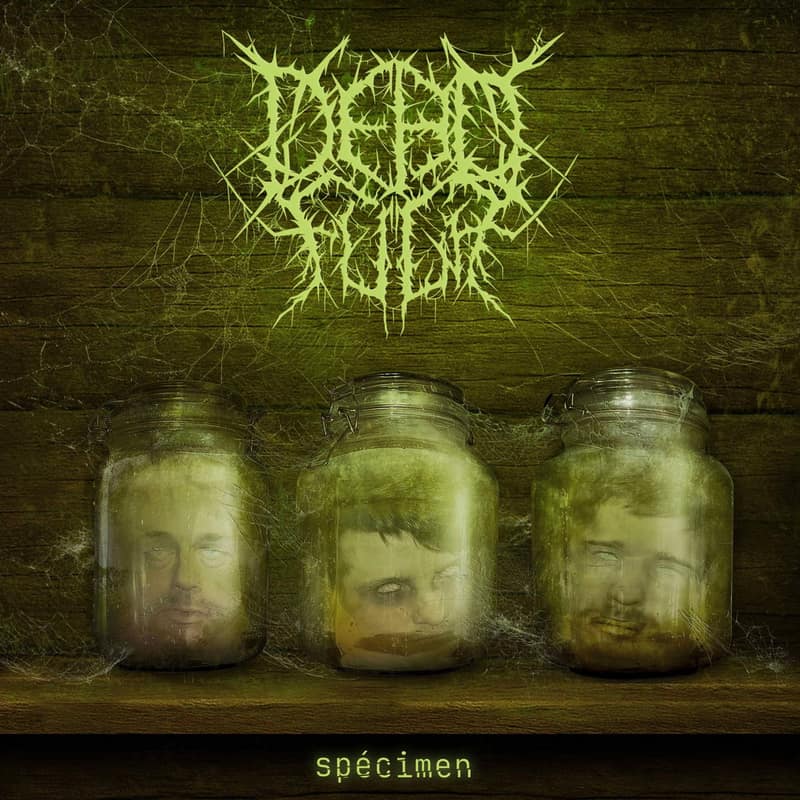
The cautionary aspect Sixx mentions becomes particularly relevant for grindcore acts like Gaki, where vocal intensity reaches punishing levels. Understanding vocal preservation techniques early in career development could prevent the mid-career crises that have sidelined numerous metal acts.
Independent Production Networks Expand
The collaboration between established producers and emerging acts creates new pathways for regional metal development. Mark Bowen's work with Gurriers demonstrates how producers known for specific sounds can expand their influence across genre boundaries.
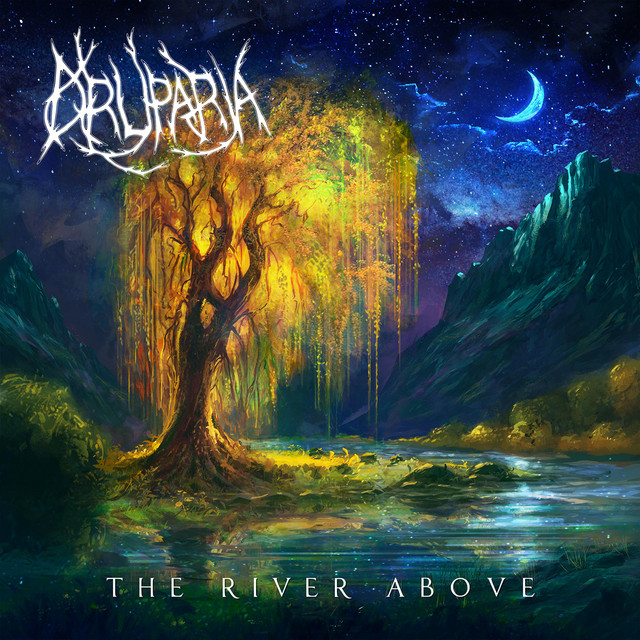
This trend particularly benefits Ohio's diverse metal ecosystem. The state's combination of death metal brutality, atmospheric black metal experimentation, and crossover thrash aggression creates ideal conditions for producers seeking varied sonic territories. Acts like Druparia, operating in melodic death metal space, could benefit from production approaches that incorporate punk's immediacy with metal's complexity.
The independent production network expansion also creates opportunities for cross-regional collaboration. Ohio acts could potentially access production techniques developed in other metal scenes while maintaining their regional identity and sound characteristics.
Horror Cinema's Continued Metal Integration
John Carpenter's upcoming metal album "Cathedral" represents how horror and metal maintain their symbiotic relationship. The combination of graphic novel and metal album creates multimedia experiences that blur entertainment boundaries.
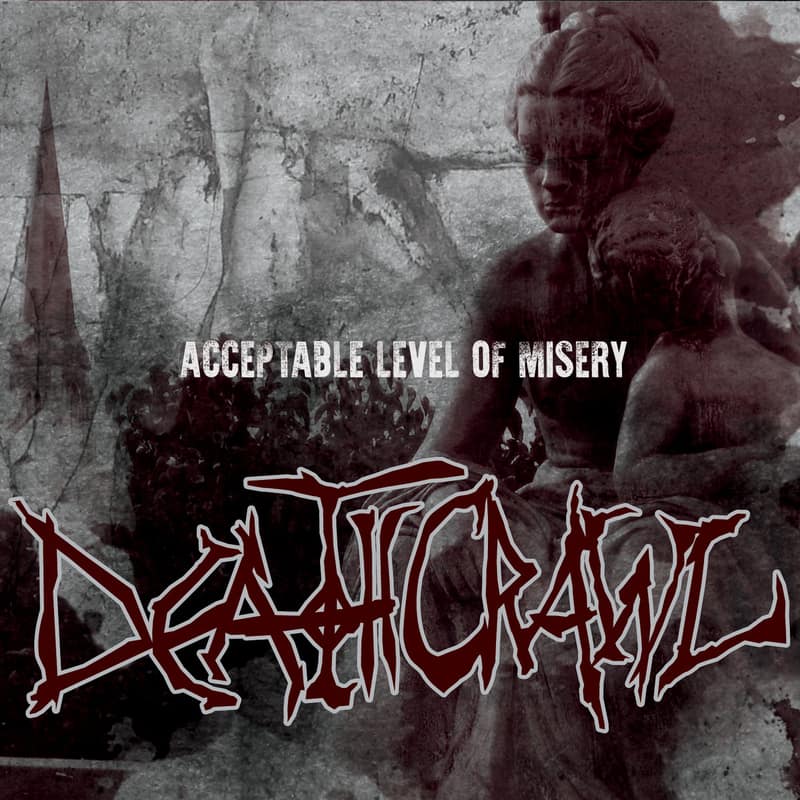
This multimedia approach offers strategic insights for Ohio metal acts exploring visual storytelling. Bands in the atmospheric black metal and doom realms could particularly benefit from understanding how horror aesthetics enhance musical narratives. Acts like DeathCrawl and Smoke Covenant in the sludge and doom territories naturally align with horror's atmospheric requirements.
Carpenter's "Lord of the Underground" preview demonstrates how established horror creators approach metal composition. The intersection suggests opportunities for Ohio acts to explore soundtrack work or horror-themed concept albums that could expand their audience beyond traditional metal demographics.
Touring Circuit Diversification
The variety of touring announcements—from A Winged Victory for the Sullen's atmospheric approach to Mental Cruelty's extreme metal European dates—reveals how diverse metal touring has become. These varied approaches create multiple pathway options for Ohio acts planning regional and national expansion.
The contrast between intimate atmospheric performances and extreme metal's aggressive touring demands offers strategic lessons. Ohio's metal bands from Ohio can analyze these different approaches to determine which touring styles best suit their music and audience development goals.
Legacy Act Transitions and New Opportunities
The posthumous release of Brent Hinds' guitar work on Marcus King's "Red Door" demonstrates how metal musicianship continues influencing other genres even after artists' passing. This cross-genre respect creates opportunities for metal musicians to expand their influence beyond traditional metal boundaries.
Ohio's guitar-focused acts could benefit from understanding how metal techniques translate into other musical contexts. The technical proficiency developed in extreme metal often exceeds requirements for other genres, creating opportunities for session work and collaboration that can sustain musical careers during metal scene fluctuations.
The broader lesson involves how metal musicianship creates portable skills that maintain value across musical contexts. This versatility becomes particularly important as genre boundaries continue dissolving and cross-genre collaboration becomes increasingly common throughout the music industry.