Death Metal Legends Reunite and Stoner Metal Conquers the Coast: Left to Die's 'Initium Mortis' and Genre Tourism Define Summer Metal
The summer metal season is shaping up to be a testament to both legacy reverence and genre exploration, as former Death members prepare to unleash their debut full-length while stoner metal acts dominate coastal touring circuits. These developments reveal how metal's foundational elements continue to evolve while maintaining their core identity—offering valuable insights for Ohio's diverse metal community navigating their own creative paths.
Death Metal Royalty Returns with Left to Die's 'Initium Mortis'
The announcement that Left to Die will release their debut album "Initium Mortis" this July represents more than just another supergroup project—it's a direct lineage continuation from one of death metal's most influential acts. Featuring Death veterans Terry Butler and Rick Rozz alongside members of Gruesome, the project embodies the genre's commitment to preserving its foundational sound while pushing technical boundaries forward.
Butler's extensive resume, spanning Death, Massacre, and his current role in Obituary, positions him as one of death metal's most enduring bassists. His collaboration with Rick Rozz, whose guitar work helped define Death's early aesthetic, creates a fascinating study in how best metal bands maintain their creative chemistry across decades. The Relapse Records release signals serious label confidence in the project's potential to resonate with both longtime death metal devotees and newer audiences discovering the genre's roots.
For Ohio's death metal scene, Left to Die's approach offers compelling lessons in how veteran musicians can leverage their experience while embracing fresh creative partnerships. Local acts like 200 Stab Wounds have already demonstrated how Ohio death metal can honor genre traditions while developing distinct regional characteristics. The Left to Die model suggests that cross-generational collaboration and respect for genre foundations can coexist with innovative songwriting approaches.
Stoner Metal's Coastal Conquest Strategy
The announcement of The Sword and Red Fang's West Coast tour creates an intriguing case study in regional touring strategy and genre positioning. Both bands have spent years refining their respective approaches to heavy rock and stoner metal, developing loyal followings that transcend traditional metal demographics. Their decision to focus on West Coast markets with tickets going on sale this Friday demonstrates confidence in regional audience development over broader geographic coverage.
This touring approach highlights how established acts can maximize their impact through strategic geographic focus rather than attempting comprehensive national coverage. The Sword's evolution from doom-laden epics to more accessible heavy rock, combined with Red Fang's beer-soaked anthems, creates a package that appeals to both dedicated stoner metal enthusiasts and casual heavy music fans.
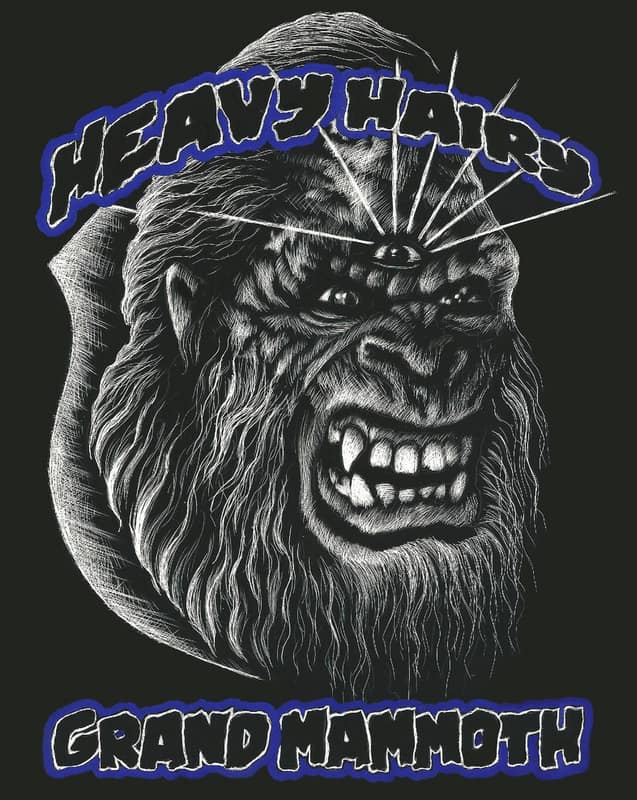
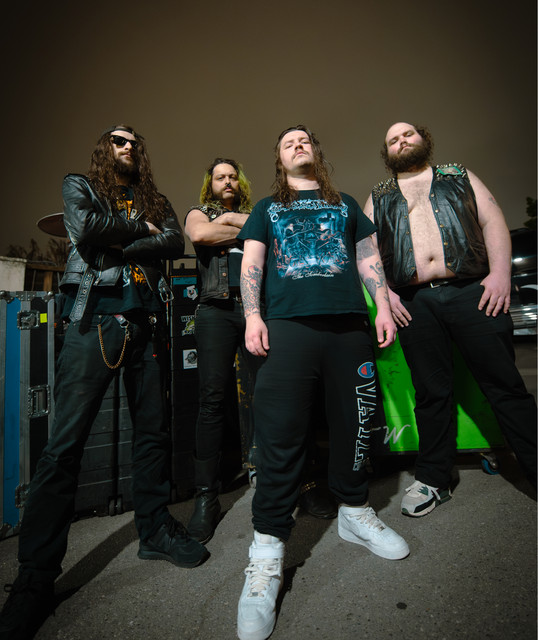
Ohio's stoner and doom metal acts, including bands like Grand Mammoth and Two Tons, can observe how The Sword and Red Fang have built sustainable careers through consistent touring and strategic market focus. The lesson for regional acts involves identifying core geographic areas where their sound resonates most strongly, then developing those markets thoroughly before expanding elsewhere.
Independent Artist Movement Gains Momentum
Avenged Sevenfold's transition to complete independence after 26 years represents a seismic shift in how established metal acts approach career management and creative control. This development extends beyond simple label relationships, encompassing master recordings ownership, touring arrangements, and merchandise control. Their decision reflects broader industry trends toward artist autonomy and direct fan engagement.
The timing of this announcement, coinciding with multiple veteran acts reassessing their industry relationships, suggests that metal artists are increasingly prioritizing long-term creative control over traditional label support structures. This shift creates opportunities for regional scenes to develop alternative support networks and distribution strategies that don't rely on major label infrastructure.
Ohio metal bands at various career stages can learn from Avenged Sevenfold's transition strategy. The key involves building sustainable fan relationships and revenue streams that support independent operations. Local acts already understand the importance of direct fan engagement through venues, social media, and regional festival circuits. Scaling these approaches to support larger operations becomes the challenge as bands develop beyond regional recognition.
Genre Tourism and Cross-Pollination Opportunities
The current touring landscape reveals fascinating examples of genre tourism, where acts from different heavy music subgenres share stages and audiences. Avatar's recent tour featuring Fleshgod Apocalypse and Frozen Soul demonstrates how theatrical metal, technical death metal, and death-doom can create compelling live experiences that introduce fans to unfamiliar styles.
This cross-genre approach offers valuable lessons for Ohio's diverse metal scene. The state's metal underground spans everything from black metal acts like Hieros to progressive metal innovators like Cloudkicker. Rather than remaining isolated within specific subgenres, local acts can benefit from collaborative touring and show-sharing arrangements that expose audiences to stylistic variety.
The success of genre-diverse packages suggests that metal audiences are more adventurous than industry wisdom often assumes. Ohio promoters and venues can capitalize on this openness by creating shows that pair complementary but distinct styles, helping local acts reach beyond their immediate fan bases while maintaining artistic integrity.
Legacy Acts Navigate Modern Challenges
Armored Saint's release of "Emotion Factory Reset" after 42 years demonstrates how veteran metal acts can maintain relevance without compromising their core identity. Their approach to balancing familiar elements with contemporary production techniques offers a blueprint for longevity that doesn't depend on chasing trends or abandoning established sounds.
Similarly, Night Ranger's decision to release newly remixed and remastered versions of classic material reflects how 80s metal bands can leverage their catalog while introducing their music to streaming-era audiences. These strategies recognize that modern listeners often discover older music through contemporary channels, making archival material as important as new compositions for sustained career development.
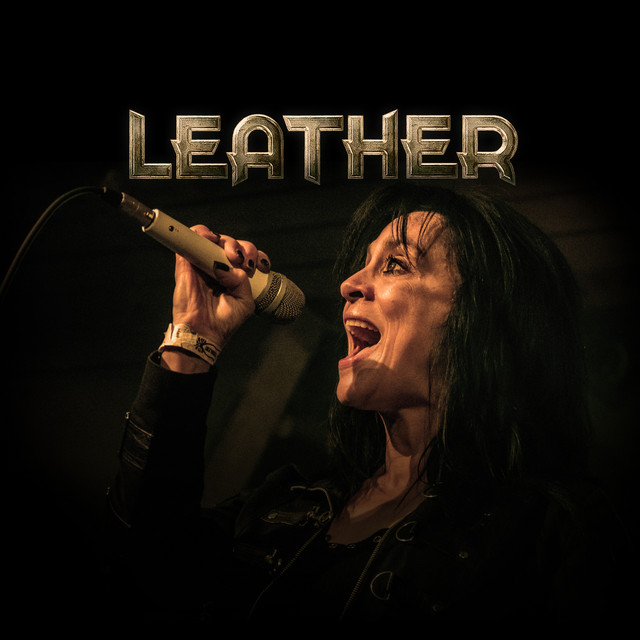
For Ohio's metal scene, these examples illustrate how established regional acts can maintain their appeal across multiple decades. Bands like Leather already understand how to honor traditional heavy metal while appealing to contemporary audiences. The key involves consistent quality control and strategic presentation rather than wholesale stylistic reinvention.
Ohio Metal's Strategic Position
Current industry developments create unique opportunities for metal bands from Ohio to leverage regional advantages while learning from national trends. The state's central geographic position, diverse venue infrastructure, and growing festival presence provide platforms for experimentation and audience development that many regional scenes lack.
Local acts like Sword exemplify how Ohio heavy metal can develop distinctive regional characteristics while maintaining appeal beyond state boundaries. Their approach to traditional heavy metal incorporates both classic influences and contemporary production techniques, creating music that honors the genre's history while remaining relevant to modern audiences.
The combination of veteran act strategies, independent artist movements, and genre cross-pollination creates a fertile environment for Ohio metal's continued growth. By observing how established acts navigate industry changes while maintaining their artistic vision, local bands can develop sustainable approaches to career development that prioritize long-term creative satisfaction over short-term commercial pressures.
As the summer touring season develops and new releases arrive, Ohio's metal community can apply these industry lessons to strengthen their regional scene while contributing to metal's broader evolution. The key involves balancing respect for genre traditions with openness to creative innovation—exactly the approach that has made Ohio's metal underground increasingly vital to the national conversation.