Veteran Metal Vocalists Navigate Health Challenges While Cross-Genre Production Partnerships Reshape Ohio's Underground Landscape
The metal community's evolving approach to health challenges and collaborative creativity is creating unexpected opportunities for Ohio's underground scene. As established vocalists face physical limitations and producers cross genre boundaries, the landscape for regional metal acts continues to shift in fascinating ways.
Vocal Health Realities and Genre-Crossing Solutions
The recent announcement that Kam Lee will handle vocal duties for Benediction's 2026 Latin American tour while Dave Ingram addresses ongoing health issues represents more than just a lineup change—it signals metal's growing maturity in handling the physical realities of extreme music performance. Lee, whose death metal credentials stretch back to the genre's formative years with Massacre, brings decades of experience to a situation that could have derailed touring plans entirely.
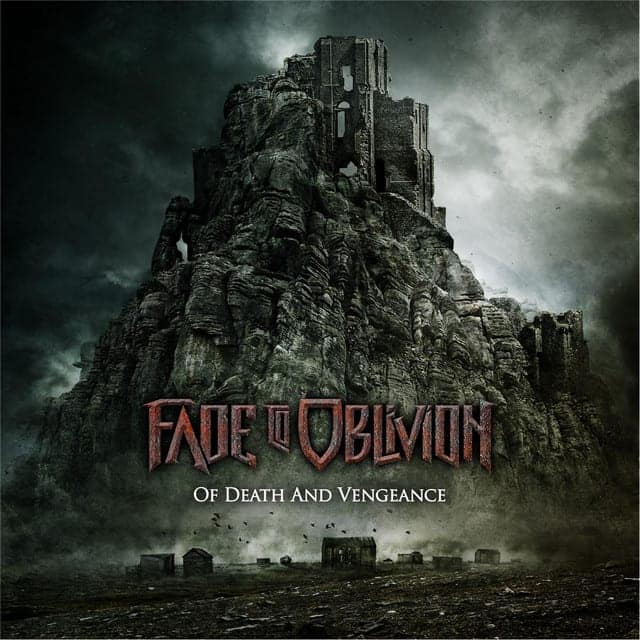
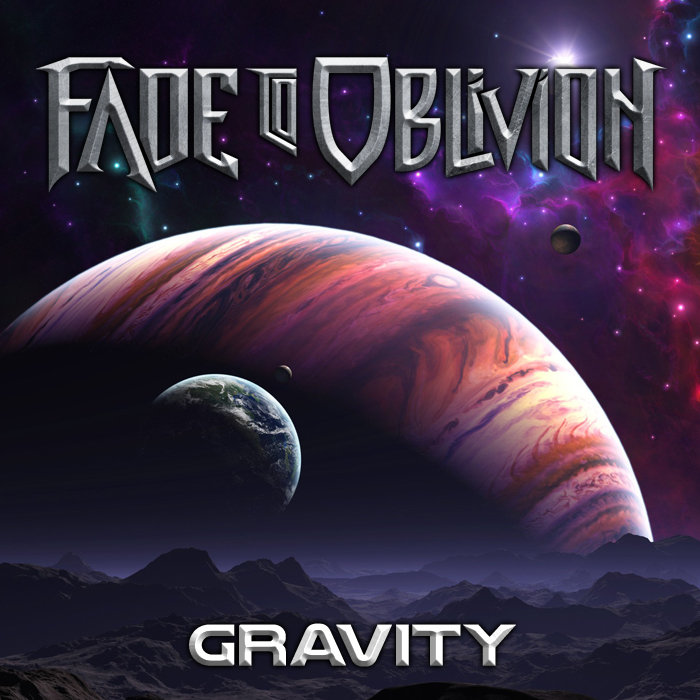
This pragmatic approach to vocal challenges offers valuable lessons for Ohio's death metal community. Acts like Fade to Oblivion and the broader melodic death metal scene understand that longevity requires strategic planning around the physical demands of extreme vocal techniques. The willingness of established performers to step in for colleagues facing health challenges demonstrates the collaborative spirit that Ohio's metal scene has long embraced.
The death metal and grindcore communities have always understood the importance of mutual support, something reflected in Ohio's underground through venues and collectives that prioritize artist welfare over profit margins. When veteran performers face medical realities, the community's response often determines whether careers continue or end prematurely.
Producer Collaborations Blur Traditional Boundaries
Meanwhile, Marc Okubo's production work on Slay Squad's "STAIN" highlights how genre boundaries continue to dissolve through creative partnerships. This type of cross-pollination between established musicians and emerging acts creates pathways that didn't exist in earlier metal generations. Okubo's involvement represents the kind of mentorship and creative exchange that strengthens entire scenes.
Ohio's metal bands from Ohio have long benefited from similar collaborative relationships, whether through shared rehearsal spaces, producer connections, or informal mentoring networks. The state's diverse musical heritage—from industrial influences in Cleveland to the hardcore scenes in smaller cities—creates natural opportunities for genre-crossing experiments.
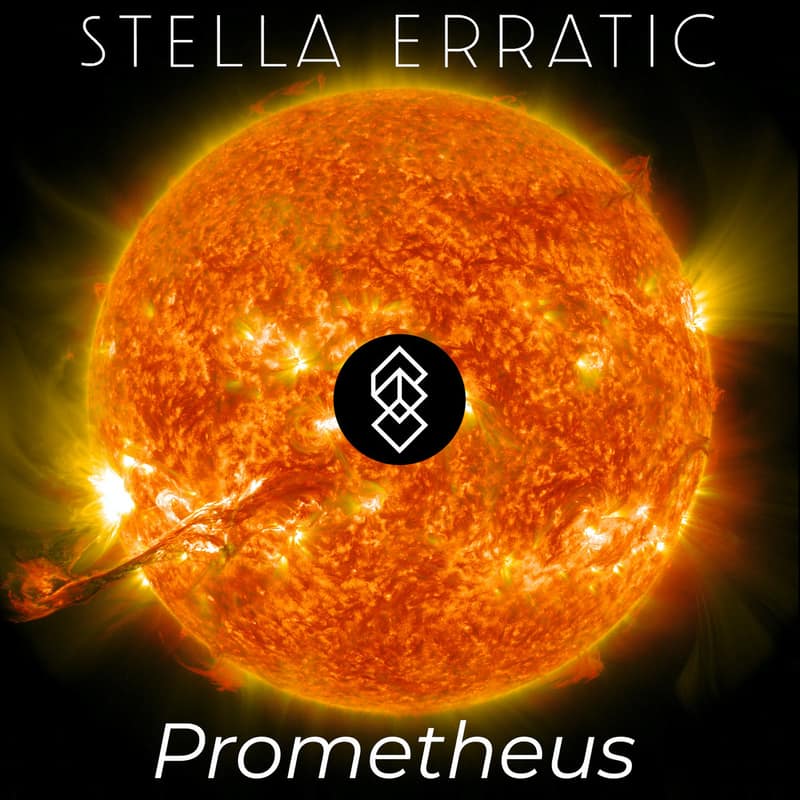
For progressive metal acts like Stella Erratic, these producer partnerships offer access to techniques and perspectives that might otherwise remain isolated within specific subgenres. The willingness of established musicians to lend their expertise to newer projects creates a knowledge transfer that benefits entire regional scenes.
Weather Disruptions and Digital Adaptation
The recent weather-related disruption that forced Butcher Babies to premiere "Blame It On The Wind" online instead of at Sonic Temple illustrates how Ohio's metal scene must navigate both literal and metaphorical storms. Ohio's weather patterns have always posed challenges for outdoor metal festivals and shows, but the increasing frequency of severe weather events requires new approaches to event planning and content delivery.
This adaptation mirrors broader changes in how metal bands approach audience engagement. The shift from purely live debuts to strategic online premieres reflects an understanding that digital platforms can complement rather than compete with live performance experiences. Ohio venues and promoters have increasingly embraced hybrid approaches that maximize reach while maintaining the community focus that defines regional metal scenes.
The weather disruption also highlighted ongoing controversies around AI usage in music production and promotion. As technology becomes more prevalent in music creation and marketing, Ohio's metal community faces decisions about how to integrate these tools while maintaining authenticity and artistic integrity.
Thrash Revival and Production Excellence
Gary Holt's recent praise for Rob Dukes' ability to "do ultra-aggressive, violent thrash better than anybody" reinforces thrash metal's emphasis on technical precision and authentic aggression. This assessment carries particular weight given Holt's own legendary status in the thrash community and his experience evaluating vocal performances across different eras of the genre.
Ohio's thrash metal heritage runs deep, with acts like Chimaira having demonstrated how regional scenes can produce internationally recognized thrash innovation. The current thrash revival benefits Ohio's newer acts in the genre, providing both inspiration and touring opportunities as veteran bands return to active performance schedules.

The emphasis on technical excellence in thrash vocals creates interesting parallels with Ohio's crossover thrash and hardcore punk scenes. The demanding nature of these vocal styles requires the same kind of community support and knowledge sharing that characterizes other extreme metal subgenres.
International Recognition and Regional Development
Tony Iommi's recognition with Birmingham's Lord Mayor Award underscores how metal's cultural impact extends far beyond music itself. This type of civic recognition for metal musicians reflects changing attitudes toward heavy music's cultural value—a shift that benefits regional scenes like Ohio's by legitimizing metal as a serious artistic and economic force.
The international attention focused on established metal acts creates spillover opportunities for regional scenes willing to position themselves strategically. Ohio's central location and diverse venue landscape make it an attractive option for touring acts, creating regular opportunities for local bands to gain exposure and experience.
As 2026 approaches, new metal bands are finding that the combination of established artist mentorship, cross-genre collaboration, and strategic digital presence creates more pathways to success than previous generations enjoyed. The key lies in understanding how these various elements work together to build sustainable careers in an evolving musical landscape.
Building Sustainable Metal Careers in Ohio
The trends emerging from recent metal news—from health-conscious touring planning to cross-genre producer collaborations—offer Ohio's metal community a roadmap for building more sustainable and interconnected scenes. The emphasis on mutual support, technical excellence, and adaptive strategies reflects lessons learned from decades of metal evolution.
Ohio's geographic advantages, combined with its diverse musical heritage and established venue networks, position the state's metal scene to capitalize on these broader industry trends. The combination of veteran wisdom, emerging talent, and supportive infrastructure creates conditions where both traditional and experimental approaches can thrive.
As metal continues to evolve through collaboration, adaptation, and community support, Ohio's contribution to the broader metal landscape grows stronger. The state's ability to nurture both traditional metal excellence and innovative cross-genre experiments ensures its continued relevance in metal's ongoing evolution.