Multi-Generational Metal Convergence and Touring Burnout: Classic Rockers Exit While Extreme Metal Expands Reach Through Strategic Collaborations
The metal landscape is experiencing a fascinating generational shift as aging rock legends announce touring cutbacks while extreme metal acts push into unprecedented mainstream territory. This convergence creates unique opportunities for regional scenes, particularly Ohio's diverse metal community, to fill emerging gaps while learning from both veteran wisdom and contemporary innovation.
Ohio Death Metal Commands Major Touring Circuits
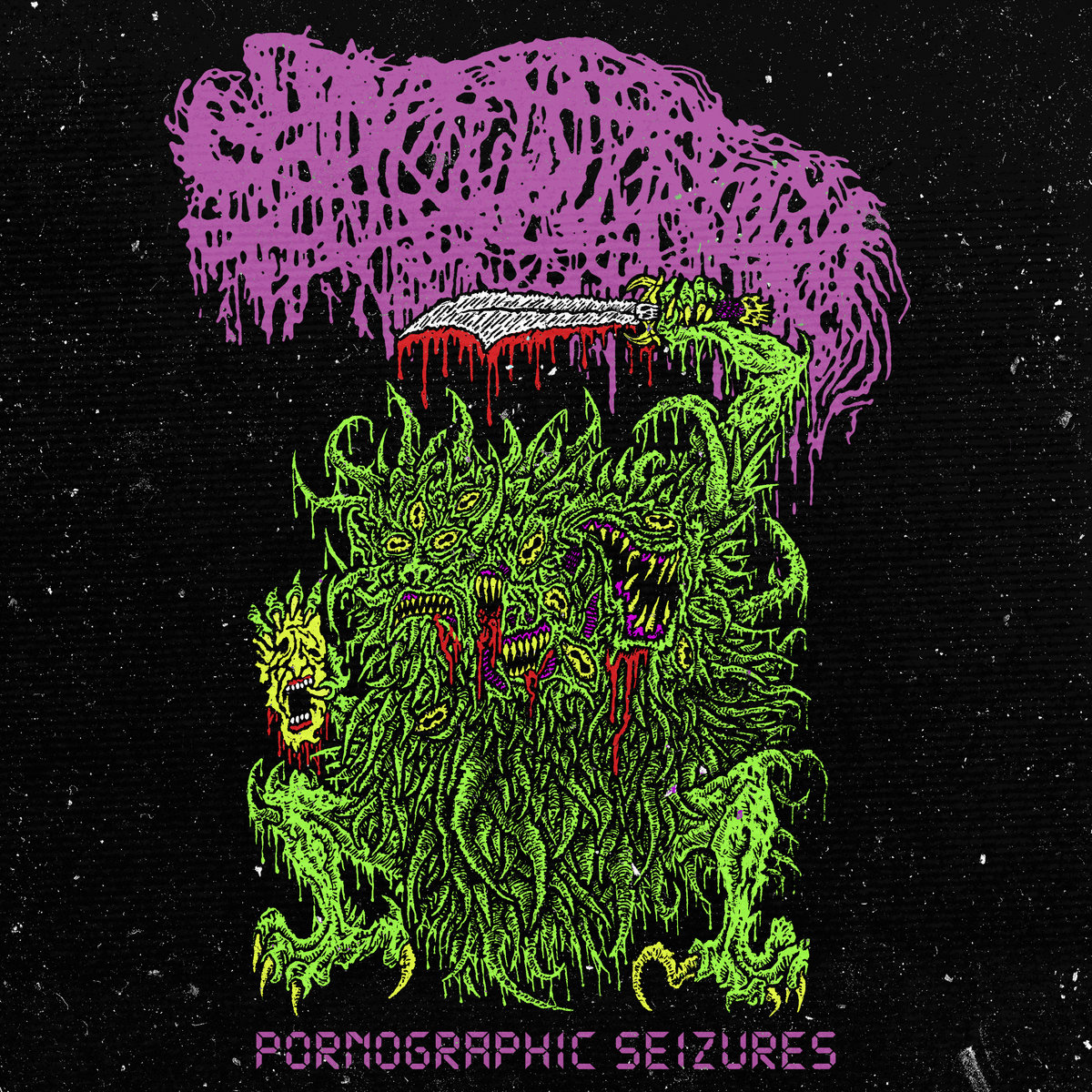
Leading this charge is Sanguisugabogg, whose presence on Lamb of God's major touring package demonstrates how Ohio's extreme metal acts are transcending regional boundaries. The Columbus death metal outfit's inclusion alongside established acts like Fit For An Autopsy and rising stars Kublai Khan TX proves that authentic brutality resonates regardless of geographic origin.
This touring success reflects broader shifts in how metal bands touring 2026 are being assembled. Promoters increasingly prioritize genuine musical connection over simple geographic convenience, creating opportunities for regional acts with strong artistic vision to reach national audiences. Sanguisugabogg's trajectory from Ohio underground to major touring circuits offers a blueprint for other regional acts ready to make similar leaps.
Cross-Genre Collaborations Reshape Festival Landscapes
Meanwhile, Sonic Temple 2026's Columbus showcase featured unexpected collaborations, with Halestorm's Lzzy Hale joining Daughtry for Journey's "Separate Ways." These cross-pollination moments demonstrate how modern festivals increasingly blur traditional genre boundaries, creating space for diverse artistic expression.
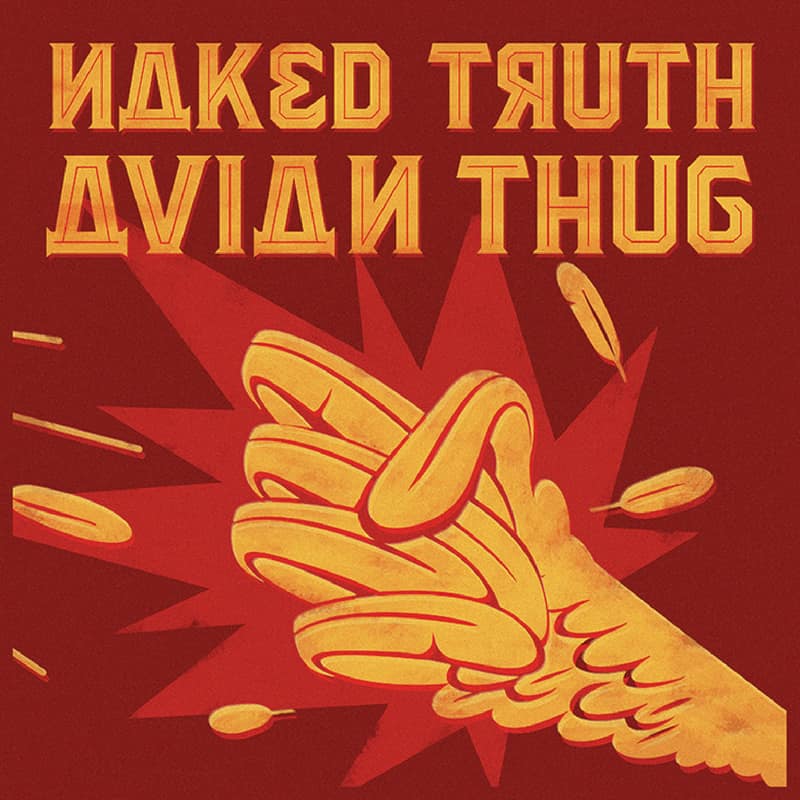
For Ohio's metal scene, such collaborations highlight the importance of versatility and openness to creative partnerships. While purists might question genre mixing, the reality is that successful modern metal acts must navigate multiple audiences and musical contexts. Ohio bands across the spectrum—from traditional heavy metal acts like Naked Truth to progressive innovators—can learn from these strategic collaborations.

Veteran Wisdom Meets Modern Realities
As extreme metal expands its reach, legendary figures are reassessing their relationship with touring. Ritchie Blackmore's recent health-related tour cancellations and subsequent comments about "pulling back on touring" represent a broader trend among classic rock pioneers recognizing physical limitations while maintaining artistic relevance.
This generational transition creates opportunities for younger acts to assume greater responsibility for live music's future. Zebra's Randy Jackson recently addressed criticism about aging performers not matching their peak abilities, noting that audiences sometimes focus more on nostalgic expectations than current artistic merit. His observations reveal the pressure facing veteran performers trying to balance legacy maintenance with physical realities.
For Ohio's emerging metal acts, these veteran perspectives offer valuable insights into career longevity. Rather than viewing aging rockers' struggles as cautionary tales, regional bands can extract strategic wisdom about pacing careers, managing expectations, and finding sustainable approaches to creative expression.
European Expansion and International Opportunities
John 5's first major European touring initiative demonstrates how established performers are finding new markets for their artistry. His successful London debut suggests that audiences remain hungry for authentic musical experiences, regardless of performer age or career stage.
Similarly, Green Lung's DesertFest headline debut, featuring reunion with founding member Andrew Cave, shows how strategic nostalgia can fuel contemporary success. These examples suggest that new metal bands 2026 should consider international opportunities earlier in their development rather than waiting for domestic success.
Ohio's geographic position and strong infrastructure make international touring more feasible for regional acts than many realize. With proper planning and strategic partnerships, Ohio metal bands could explore European festivals and touring circuits that remain underutilized by American regional acts.
Industry Conversations and Legacy Management
Kreator's Mille Petrozza's recent praise for Metallica's "Blackened" illustrates how veteran metal musicians continue engaging with the genre's evolution. His comments about loving "all kinds of heavy metal" demonstrate the open-minded approach that has kept certain pioneers relevant across multiple decades.
These industry conversations matter for regional scenes because they establish precedents for how metal musicians can maintain authenticity while embracing growth. Petrozza's willingness to celebrate other bands' achievements, even from different metal subgenres, models the collaborative spirit that strengthens the entire metal community.
Former Evanescence guitarist Ben Moody's openness to We Are The Fallen reunion possibilities shows how past creative partnerships can resurface when conditions align properly. His pragmatic approach to band reformation—acknowledging both business realities and personal relationships—offers guidance for Ohio bands navigating member changes or potential reunions.
Long-Term Development Strategies
The Kovenant's return after twenty-year absence, with Nagash reporting half their new album completed, demonstrates that metal careers can span decades when artists maintain creative passion without external pressure. Their patient approach to artistic development contrasts sharply with modern industry expectations for constant content creation.
Staind's completion of their ninth studio album for 2027 release shows how established acts balance fan expectations with creative evolution. Their twelve-year gap between recent releases proves that strategic timing can enhance rather than hurt career trajectories when executed thoughtfully.
For Ohio's metal community, these examples suggest that rushing creative processes rarely produces optimal results. Regional acts might benefit from embracing longer development cycles that prioritize artistic growth over immediate commercial returns.
Regional Scene Implications
These industry developments create specific opportunities for Ohio's diverse metal landscape. As veteran acts reduce touring commitments, regional performers can assume greater responsibility for live music experiences. Simultaneously, successful cross-genre collaborations suggest that Ohio's stylistically diverse metal scene could produce unexpected creative partnerships.
The state's strong festival infrastructure, demonstrated by Sonic Temple's continued growth, positions Ohio as an ideal testing ground for emerging metal acts ready to expand beyond regional boundaries. Bands willing to embrace both veteran wisdom and contemporary innovation are best positioned to capitalize on current industry shifts.
Whether pursuing brutal death metal authenticity like Sanguisugabogg or exploring genre-blending collaboration opportunities, Ohio's metal scene stands at a crucial juncture where regional identity meets national ambition. The key lies in balancing respect for metal tradition with openness to creative evolution—exactly the approach that has made Ohio a consistent contributor to the genre's ongoing development.