Horror-Punk Revival and Doom Underground: Genre Cross-Pollination Creates Ohio Scene Opportunities
The metal underground is experiencing a fascinating period of genre cross-pollination, with horror-punk revival and doom festival expansion creating unexpected opportunities for Ohio's diverse heavy music ecosystem. Recent developments in both mainstream and underground circles reveal how boundary-blurring creativity is reshaping the landscape for regional metal scenes.
Horror-Punk Hellions Rise from the Underground
The emergence of bands like The Ghoulstars demonstrates horror-punk's growing influence on the broader heavy music spectrum. Their debut album "The Dark Lords of the Universe" represents more than nostalgic throwback material—it signals a genuine revival of horror-themed crossover appeal that's drawing attention from metal audiences seeking theatrical elements beyond traditional extreme metal boundaries.
This horror-punk resurgence creates strategic opportunities for Ohio's theatrical metal acts. The state's rich history of genre-bending heavy music provides fertile ground for bands willing to incorporate horror aesthetics and punk energy into their sound. Stygian Vacuity and other Ohio black metal acts could particularly benefit from this trend, given horror-punk's natural affinity for dark imagery and atmospheric intensity.
The revival also reflects metal audiences' growing appetite for entertainment value alongside musical extremity. Horror-punk's emphasis on theatrical performance and visual storytelling offers lessons for Ohio metal bands seeking to distinguish themselves in an increasingly crowded marketplace.
Doom's Festival Expansion Signals Underground Growth
The announcement of Rain City Doom Fest 2026, featuring heavyweight acts like YOB, King Woman, and Earthless, demonstrates doom metal's expanding festival presence. This growth represents significant opportunities for regional doom acts who have historically struggled to find appropriate festival placement alongside faster, more aggressive metal subgenres.
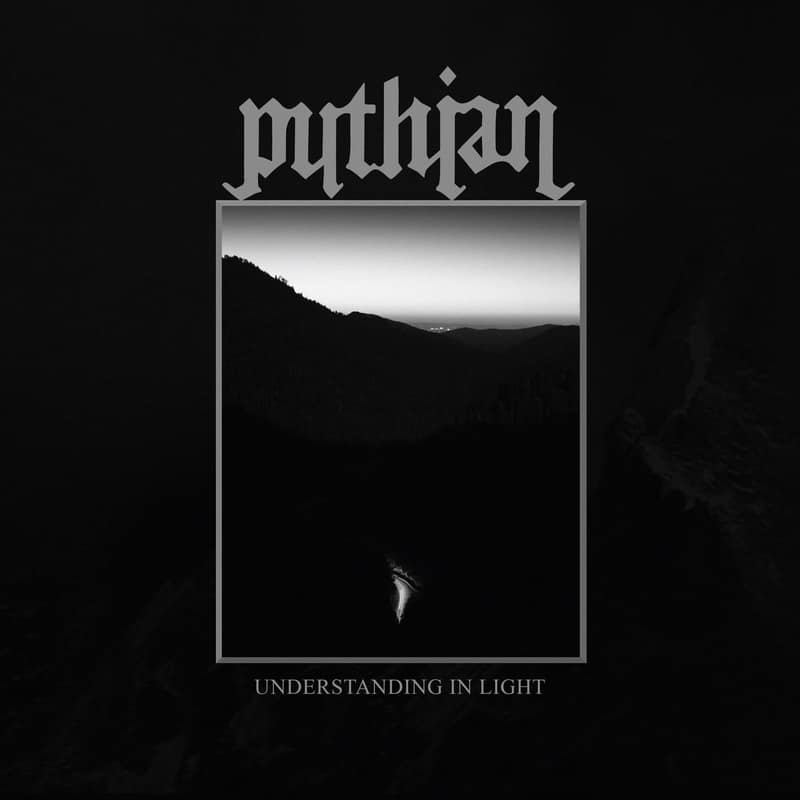
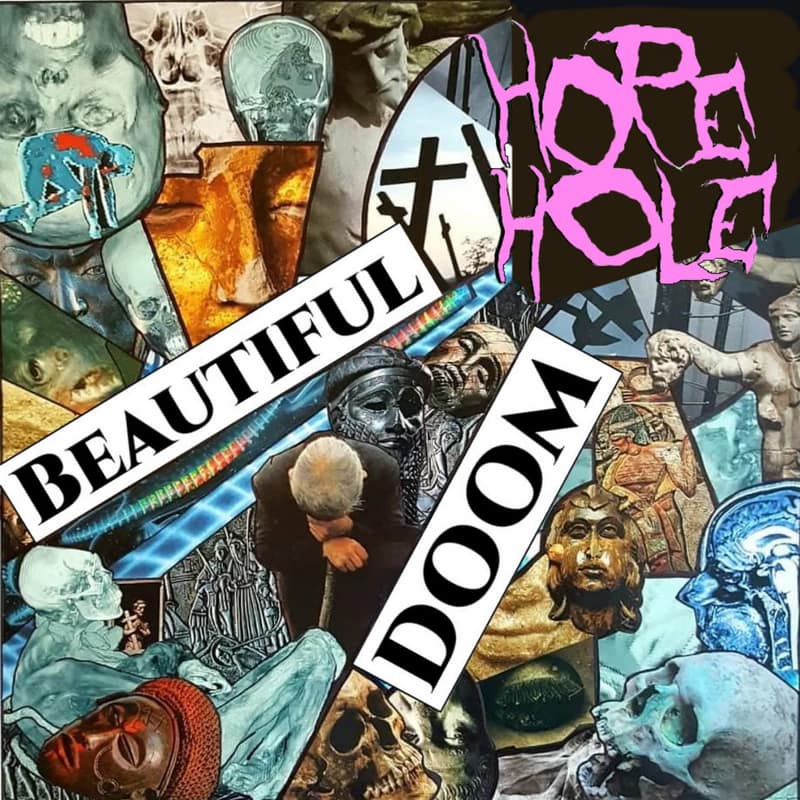
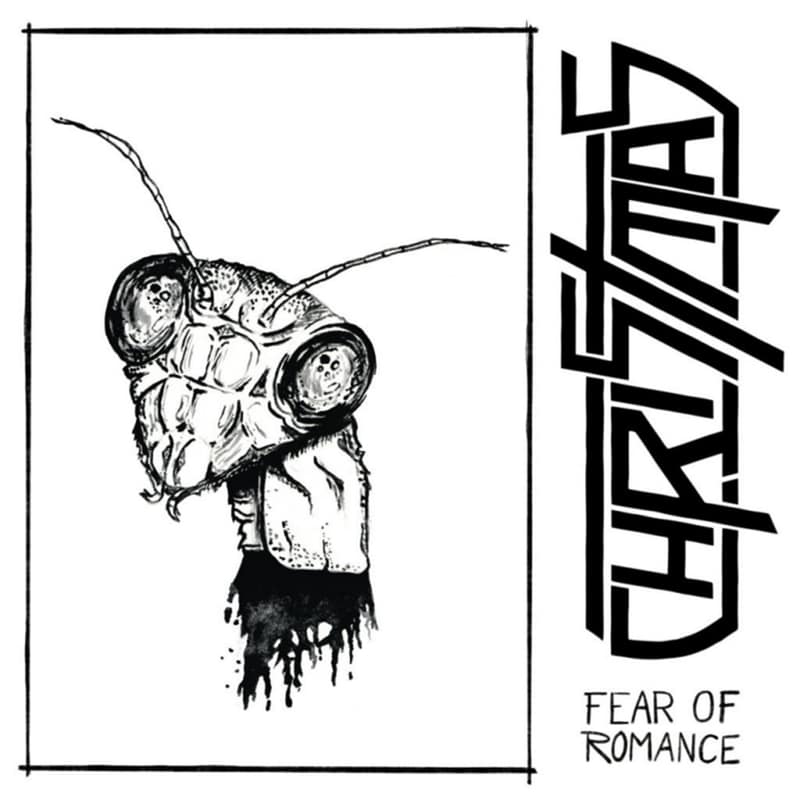
Ohio's doom underground stands to benefit substantially from this trend. Bands like Christmas, Hope Hole, and Pythian operate in a state with strong festival infrastructure but limited doom-specific showcase opportunities. The success of specialized doom festivals could inspire regional event organizers to incorporate more diverse heavy music programming.
Doom's festival expansion also reflects the subgenre's growing crossover appeal with stoner rock, post-metal, and sludge audiences. This broader appeal creates opportunities for Ohio's Superchanger and other bands operating at the intersection of multiple heavy music styles.
Cross-Genre Collaboration Trends
Alissa White-Gluz's Blue Medusa project exemplifies how established metal musicians are increasingly exploring stylistic boundaries through side projects and collaborations. The success of singles like "Flying Monkey" demonstrates audience appetite for familiar voices in unfamiliar musical contexts.
This collaboration trend offers strategic insights for Ohio metal musicians. Rather than viewing genre boundaries as limitations, regional artists can leverage the state's diverse metal scene for cross-pollination opportunities. A thrash metal musician from Epitaph collaborating with doom artists from Christmas could produce compelling results that neither could achieve independently.
The collaborative approach also addresses practical challenges facing regional metal scenes. Ohio metal bands from ohio can pool resources, share audiences, and create more compelling live performances through strategic partnerships across subgenres.
Power Metal's Patient Approach
Blind Guardian's methodical approach to their upcoming album—with pre-production planned for late 2026 and recording beginning in early 2027—demonstrates how established metal acts are prioritizing quality over speed in an era of rapid content consumption.
This patient approach offers valuable lessons for Ohio's power metal and traditional heavy metal acts. Bands like Montez and Nightcrawler operate in subgenres where technical proficiency and songwriting sophistication matter more than rapid release cycles or viral social media moments.
The emphasis on careful pre-production and extended development cycles also reflects power metal's commitment to epic scope and ambitious musical arrangements. Ohio's power metal acts can leverage the state's recording infrastructure and musician network to achieve similar production values without major label resources.
Community Building Through Spontaneous Events
Converge's last-minute free parking lot show demonstrates how established acts can maintain underground credibility while building community connections. These spontaneous events create powerful word-of-mouth marketing and strengthen relationships between artists and local scenes.
Ohio metal bands can apply similar strategies using the state's venue infrastructure and metal community networks. Surprise acoustic sets, pop-up performances, and guerrilla-style showcases can generate buzz and strengthen fan relationships without significant financial investment.
The community-building approach becomes particularly valuable as traditional music industry promotion channels become increasingly expensive and less effective for regional metal acts.
Industry Accountability and Regional Opportunities
Ongoing accountability issues within the festival and promoter community create opportunities for ethical regional organizers to distinguish themselves through transparent practices and genuine community support. Ohio's metal scene benefits from event organizers who prioritize performer and audience safety alongside musical quality.
These industry-wide conversations about accountability also highlight the importance of strong regional scenes that can support metal artists through multiple revenue streams and performance opportunities. Ohio's diverse metal ecosystem provides crucial alternatives to potentially problematic national touring circuits.
Strategic Implications for Ohio's Metal Scene
The current landscape of genre cross-pollination, collaborative projects, and festival expansion creates multiple strategic opportunities for new metal bands 2026 emerging from Ohio's underground. The state's central geographic location, established venue infrastructure, and diverse metal community position local acts to capitalize on these broader industry trends.
Success in this environment requires flexibility, community engagement, and willingness to explore beyond traditional subgenre boundaries. Ohio metal bands that embrace horror aesthetics, doom's atmospheric intensity, power metal's technical ambition, and punk's community spirit will find themselves well-positioned for the evolving heavy music landscape.
The horror-punk revival, doom's festival expansion, and continued genre boundary dissolution create a uniquely favorable environment for regional metal scenes willing to experiment and collaborate. Ohio's metal community stands ready to capitalize on these opportunities through strategic creativity and authentic community building.