Thrash Revival and Supergroup Formations: Anthrax's Decade Return and International Collaborations Ignite Metal's Creative Renaissance
The metal world is witnessing an unprecedented creative surge as legendary thrash pioneers return from extended hiatuses while international supergroup formations challenge traditional band structures. This renaissance of heavy music creativity offers crucial insights for Ohio's diverse metal ecosystem, particularly as the state's thrash and death metal communities navigate their own artistic evolution.
Anthrax Breaks Decade-Long Silence with Thrash Foundation
After ten years away from new material, New York thrash legends Anthrax have shattered their creative silence with "It's For the Kids," a four-minute thrash anthem that guitarist Scott Ian describes as harking back to their first era. This strategic return to their thrash roots on their new album "Cursum Perficio" demonstrates how veteran metal acts are rejecting commercial compromise in favor of their foundational sound.
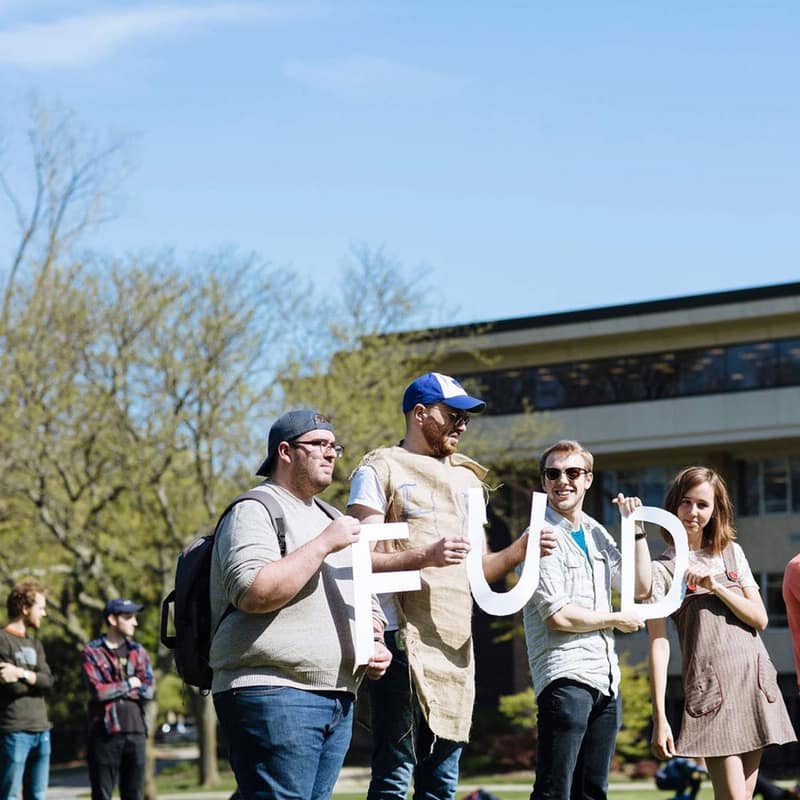
The significance extends beyond nostalgia. Anthrax's decision to embrace their thrash heritage after a decade of absence sends a clear message about metal's current landscape—authenticity and genre purity are driving creative decisions more than ever. For Ohio's thrash community, particularly bands like F.U.D. who blend crossover thrash with traditional thrash elements, this validates the continued relevance of uncompromising aggressive music.
The album's title "Cursum Perficio" (Latin for "I complete the course") suggests this isn't just a comeback but a definitive statement. Scott Ian's emphasis on needing "a four-minute thrash song" reveals the band's conscious effort to deliver exactly what the genre demands—no excess, no experimentation, just pure thrash execution.
International Supergroup Formations Challenge Traditional Structures
While established acts return to their roots, international collaborations are pushing metal's boundaries in unexpected directions. Flat Earth, featuring former HIM guitarist Mikko "Linde" Lindström alongside ex-Amorphis bassist Niclas Etelävuori and Polanski vocalist Anttoni Pikkarainen, represents a new model of supergroup formation that transcends traditional band boundaries.
Their latest single "1985" continues their recognizable blend of heavy elements, but the real story lies in how these Finnish metal veterans are approaching collaboration. Rather than simply combining their previous bands' sounds, they're creating something distinctly new while maintaining each member's signature contributions.
This international approach to metal collaboration offers valuable lessons for regional scenes. Ohio's metal bands from different cities and subgenres could explore similar cross-pollination opportunities. The state's diversity—from Cleveland's industrial influences to Cincinnati's hardcore roots to Columbus's death metal scene—provides fertile ground for innovative collaborations.
Nu-Metal's Prolific Renaissance
Korn's announcement of nearly 40 songs written for their upcoming album represents the most ambitious creative period in the band's three-decade history. Guitarist James "Munky" Shaffer's revelation to Rolling Stone Brasil indicates that nu-metal's pioneers are experiencing an unprecedented creative burst, far exceeding typical album cycles.
This prolific output suggests nu-metal's creative renaissance isn't just nostalgic revival but genuine artistic reinvention. With 40 songs in development, Korn clearly has enough material for multiple releases, indicating sustained creative momentum rather than a one-off comeback attempt.
For Ohio's metal scene, this nu-metal productivity offers strategic insights. The state's bands exploring groove metal and industrial elements, such as KLNZR with their groove metal and industrial metal fusion, can draw inspiration from Korn's approach to prolific songwriting. The key lesson: sustained creativity requires consistent output, not perfectionism.
Grassroots Concert Innovation
Converge's announcement of a last-minute, free show in Epitaph Records' parking lot demonstrates how established metal acts are embracing unconventional venue strategies. This first-come, first-served approach strips away traditional concert industry barriers, creating direct artist-to-fan connections that bypass standard promotional cycles.
The parking lot show concept represents more than just alternative venue selection—it's a statement about metal's accessibility and community values. By eliminating ticket sales and formal venue requirements, Converge is prioritizing immediate fan connection over revenue maximization.
Ohio's metal venues and bands should take note of this grassroots approach. The state's diverse geography—from urban centers to smaller communities—provides numerous opportunities for unconventional concert experiences. Parking lot shows, warehouse events, and pop-up performances could revitalize local metal scenes while building stronger community connections.
Onstage Reunion Significance
Nick Oliveri's return to the Queens of the Stone Age stage after more than a decade demonstrates how metal's interpersonal relationships continue evolving long after official separations. This onstage reunion carries weight beyond simple nostalgia—it suggests that creative partnerships can transcend personal conflicts when artistic integrity takes precedence.
The significance for regional metal scenes lies in understanding that band relationships don't necessarily end with lineup changes. Former members often represent untapped collaborative potential, especially as time allows perspectives to mature and priorities to shift.
Cover Songs as Creative Statements
Primus's release of "A Handful Of Nuggs" EP, featuring their interpretation of Dio's "Holy Diver," showcases how established bands use cover songs as creative statements rather than simple tributes. Their approach to classic metal material demonstrates respect for metal's history while maintaining their distinctive artistic voice.
This strategy offers valuable guidance for emerging metal bands. Rather than avoiding covers or treating them as throwaway tracks, thoughtful interpretations of metal classics can showcase both technical ability and creative vision. Ohio's metal bands from various subgenres could explore similar approaches, using covers to bridge generational gaps while establishing their unique perspectives.
Ohio's Strategic Position
These national metal developments position Ohio's scene for significant growth opportunities. The state's metal bands from Ohio are witnessing an industry that values authenticity, embraces unconventional approaches, and rewards prolific creativity. From thrash revival to international collaborations, from nu-metal renaissance to grassroots concert innovation, the current metal landscape offers multiple pathways for artistic and commercial success.
The best metal bands understand that 2026's opportunities require both respect for metal's foundational elements and willingness to explore innovative approaches. Ohio's diverse metal community—spanning everything from traditional heavy metal to experimental post-metal—is perfectly positioned to capitalize on these industry trends while maintaining the regional character that makes the state's scene distinctive.
As veteran acts prove that decade-long breaks can result in career-defining returns, and international collaborations demonstrate that geographical boundaries need not limit creative partnerships, Ohio's metal scene stands at a crucial juncture. The question isn't whether the state's bands will benefit from metal's current creative renaissance, but how quickly they'll embrace the opportunities these developments represent.