Creative Abundance and Band Reconciliation: Korn's 40-Song Arsenal and Mastodon's Fractured Future Shape Metal's Emotional Landscape
The metal landscape of 2026 is being defined by two contrasting narratives: explosive creative productivity and irreparable band relationships. While Korn's James "Munky" Shaffer reveals an unprecedented songwriting surge with nearly 40 tracks crafted for their upcoming album, Mastodon's Brann Dailor mourns the permanent fracture with former bandmate Brent Hinds, creating a fascinating dichotomy between artistic abundance and personal loss that resonates deeply within Ohio's metal community.
Korn's Creative Renaissance Challenges Industry Norms
Munky Shaffer's revelation about Korn's extensive songwriting sessions represents more than prolific creativity—it signals a fundamental shift in how established metal acts approach album construction. The sheer volume of material being generated challenges the traditional model of writing just enough songs for a single release, instead embracing a more comprehensive artistic vision that allows for deeper exploration and more refined final products.
This approach mirrors the methodical songwriting philosophy that has always characterized Ohio's metal scene, where bands like Nobody have built reputations on meticulous composition across multiple extreme metal subgenres. The state's black metal and death metal acts understand that creative abundance often leads to stronger artistic statements, as excess material provides the luxury of choosing only the most compelling compositions for final releases.
For emerging metal bands touring 2026, Korn's strategy offers a valuable lesson in creative patience. Rather than rushing to release every decent riff or melody, the most successful acts are learning to build extensive catalogs that allow for strategic album construction and long-term career sustainability.
The Mastodon Rift and Metal's Relationship Casualties
Brann Dailor's candid admission about the permanent nature of Mastodon's split with Brent Hinds reveals the often-overlooked emotional toll of professional metal careers. His statement about expecting eventual reconciliation, only to face the reality that "it's not a possibility," speaks to the complex interpersonal dynamics that can derail even the most successful metal partnerships.
This situation resonates particularly within Ohio's tight-knit metal community, where long-standing collaborations between musicians often define entire local scenes. The crossover thrash and death metal acts that populate the state's metal landscape, including bands like Stitch, understand how creative differences can evolve into irreconcilable personal conflicts when not addressed early and honestly.
The Mastodon situation also highlights how the best metal bands of all time often face internal struggles that fans never see. Behind the crushing riffs and thunderous performances lie real human relationships that require as much maintenance and care as the musical elements that make these acts legendary.
Collaborative Innovation and Guest Features
The emergence of collaborative projects like Stitched Up Heart's guest-heavy album approach, featuring artists such as Daria Zaritskaya of NOAPOLOGY, demonstrates another significant trend shaping metal's creative landscape. These partnerships represent a departure from the traditionally insular nature of metal songwriting, embracing cross-pollination between different acts and subgenres.
Ohio's metal scene has always fostered this type of collaborative spirit, particularly evident in the state's crossover thrash and experimental metal communities. The willingness of local acts to blend influences and share stages has created a uniquely supportive environment where new metal bands 2026 can develop distinctive sounds without being constrained by rigid genre boundaries.
This collaborative approach also extends to the technical aspects of metal production. Armored Saint's John Bush recently emphasized the importance of allowing music to "breathe" rather than being overly dependent on technology, a philosophy that aligns perfectly with Ohio's preference for organic, authentic heavy music creation.
Legacy Acts and Streaming Milestones
Geoff Tate's upcoming "Operation: Mindcrime - The Final Chapter" livestream event represents how veteran metal acts are adapting to modern distribution methods while maintaining their artistic integrity. The choice to broadcast globally from the historic Everett Theater demonstrates how legacy artists can embrace technology without sacrificing the live performance element that defines metal's core appeal.
Similarly, Black Veil Brides' expansion of their "Vindicatour" into multiple North American legs reflects the current touring boom that's benefiting metal acts across all levels of recognition. For Ohio metal bands, this trend creates more opportunities to secure opening slots and gain exposure to audiences hungry for live heavy music experiences.
The recent reunion of Queens of the Stone Age with Nick Oliveri after over a decade apart also suggests that not all metal relationships are destined for permanent fracture. Unlike the Mastodon situation, this reconciliation demonstrates how time and perspective can sometimes heal creative wounds that once seemed insurmountable.
Genre Evolution and "Gloom Metal" Innovation
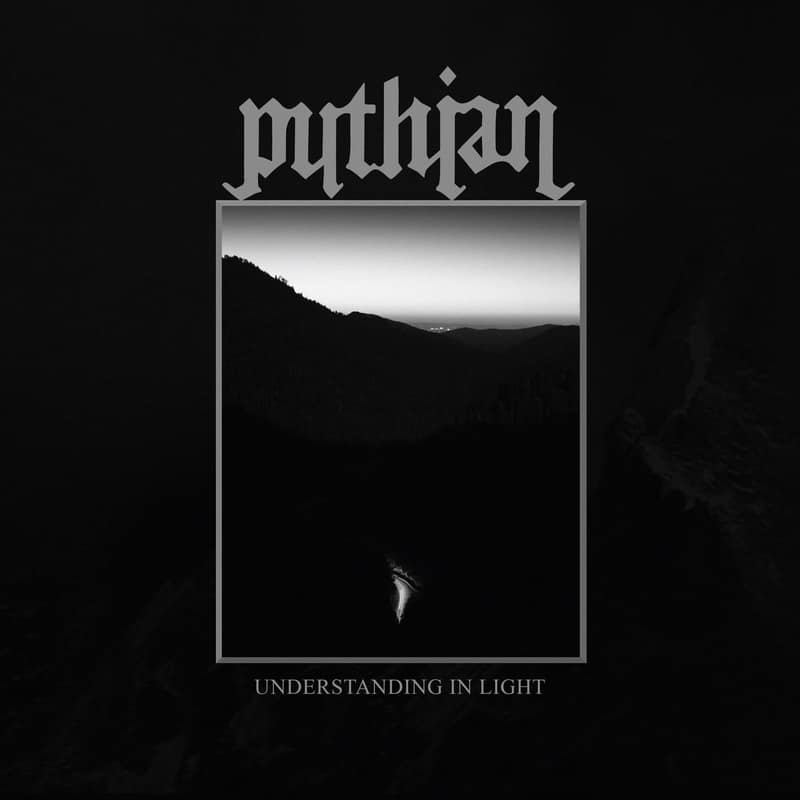
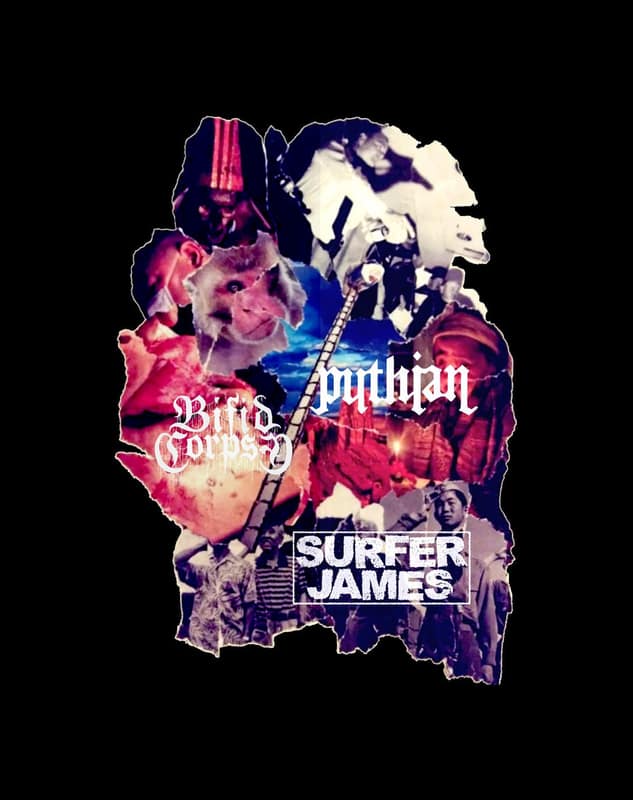
The emergence of Soft Curse and their self-described "gloom metal" sound, blending stoner doom, progressive elements, classic metal, and melodic emo, represents the type of genre innovation that keeps metal vital and relevant. This hybrid approach mirrors the experimental work being done by Ohio's post-metal and sludge metal communities, where bands like Pythian have long explored the intersections between doom, post-metal, and sludge influences.
The "gloom metal" concept also reflects a broader trend toward emotional authenticity in heavy music, moving beyond traditional metal themes to explore more nuanced psychological territories. This evolution aligns perfectly with Ohio's metal ethos, where authenticity and emotional honesty have always been valued over flashy technique or manufactured rebellion.
Production Philosophy and Artistic Integrity
The contrast between Korn's abundance-based approach and Armored Saint's emphasis on organic production methods highlights two complementary strategies for maintaining artistic integrity in modern metal. While Korn uses sheer volume of material to ensure quality control, Armored Saint focuses on allowing each composition to develop naturally without technological interference.
Both approaches offer valuable lessons for metal bands from Ohio seeking to develop distinctive sounds. The key insight is that artistic integrity requires intentional choices about both composition and production, rather than simply following industry trends or technological capabilities.
Regional Implications and Future Opportunities
These national metal developments create specific opportunities for Ohio's metal scene. The emphasis on creative abundance suggests that local acts should focus on building extensive catalogs rather than rushing single releases. The collaborative trend indicates that cross-genre partnerships and guest features can help bands reach new audiences without compromising their core sound.
Most importantly, the contrast between Korn's creative renaissance and Mastodon's relationship challenges reminds Ohio's metal community that sustainable success requires attention to both artistic and interpersonal elements. The best heavy metal songs emerge from environments where creativity can flourish alongside healthy professional relationships.
As the metal landscape continues evolving through 2026, Ohio's established infrastructure and collaborative community position the state's acts to benefit from these broader industry trends while maintaining the authentic approach that has always defined the region's contribution to heavy music.