Vocalist Evolution and AI Resistance: Metal's Human Element Triumphs as Major Tours Reshape Genre Boundaries
The Voice Revolution: When Singers Define Metal's Future
The metal world is witnessing a fundamental shift in how vocalists shape the genre's trajectory, with recent developments revealing both the fragility and resilience of the human voice in extreme music. As major festivals showcase new vocal partnerships and established acts confront the physical demands of their craft, Ohio's metal community finds itself perfectly positioned to understand these industry-wide transformations.
The most striking example comes from DragonForce's integration of Alissa White-Gluz into their lineup, marking a seismic shift for the power metal veterans. White-Gluz's transition from Arch Enemy's death metal brutality to DragonForce's symphonic intensity represents more than a simple personnel change—it signals how metal's best metal bands are prioritizing vocal health and artistic longevity over nostalgic attachment to previous eras.
Similarly, Breaking Benjamin's introduction of drummer Brian Medeiros alongside their performance of new material demonstrates how even rhythm section changes can revitalize a band's creative output. The debut of "Something Wicked" suggests that lineup evolution often sparks compositional innovation, a pattern Ohio's metal scene has observed firsthand through various regional acts.
The Physical Reality of Extreme Vocals
Devin Townsend's recent commentary on vocal technique—specifically his unconventional approach of "sorting your head out" rather than traditional exercises—illuminates the psychological component of extreme vocal performance. His admission that vocal coaches expressed concern about his technique's sustainability highlights a critical issue facing the Ohio metal scene and beyond: how do extreme metal vocalists maintain their instrument across decades of punishing performances?
This concern becomes particularly relevant when examining the touring schedules of bands like Sanguisugabogg, who continue grinding through national tours with Lamb of God. The Columbus death metal stalwarts represent Ohio's commitment to sustainable extreme vocals, proving that proper technique and mental preparation can support both brutal delivery and career longevity.
The contrast between traditional vocal training and metal's demands creates unique challenges for metal bands from ohio seeking national recognition. Unlike pop or rock vocalists who can rely on established pedagogical methods, death metal, black metal, and hardcore vocalists must often develop their own approaches to vocal preservation.
Artificial Intelligence Versus Authentic Expression
David Ellefson's critique of artificial intelligence in music creation—describing it as "not that intelligent and artificial"—resonates deeply with metal's emphasis on authentic human expression. His stance reflects a broader industry conversation about technology's role in creative processes, particularly relevant as new metal bands 2026 face pressure to integrate digital tools into their workflows.
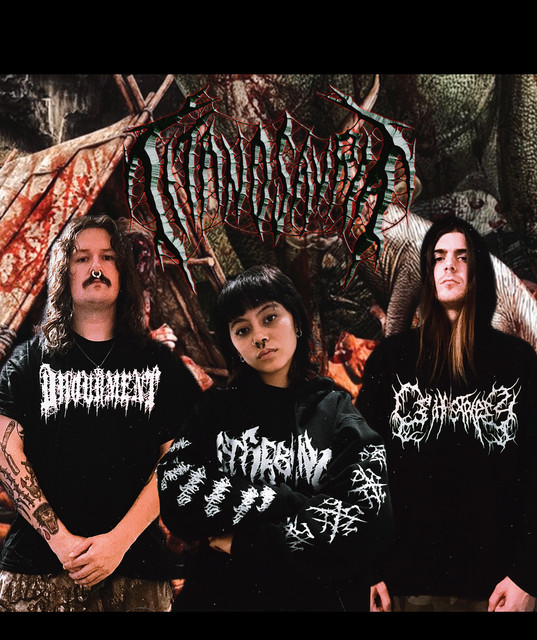
The AI debate takes on special significance within Ohio's metal community, where bands like Titanosauria and other brutal death metal acts pride themselves on the raw human element of their compositions. The slam death metal scene, in particular, depends on organic interaction between musicians to achieve the spontaneous brutality that defines the genre.
Ellefson's position suggests that metal's future lies not in technological shortcuts but in the continued development of human musical relationships. This philosophy aligns with Ohio's grassroots metal approach, where bands develop through live performance experience rather than digital manipulation.
Festival Culture and Regional Representation
The concentration of major performances at festivals like Welcome to Rockville demonstrates how regional scenes connect with national metal movements. DevilDriver's debut of "Dig Your Own Grave" and Kreator's intimate Kerrang! Pit performance show how established acts use festival platforms to test new material and maintain fan connections.
Ohio's Sonic Temple festival continues building its reputation as a crucial platform for both established acts and emerging regional talent. The festival's commitment to diverse metal subgenres creates opportunities for local acts across the spectrum, from the experimental approaches of bands exploring post-metal territories to the traditional heavy metal revival championed by various regional acts.
The festival ecosystem also provides crucial learning opportunities for Ohio metal bands observing how veterans like Kreator maintain their intensity across decades. These performances offer masterclasses in stage presence, vocal technique, and audience engagement that directly benefit the regional scene's development.
Cross-Genre Collaborations and Boundary Dissolution
The unexpected pairing of Mötley Crüe with Carrie Underwood on American Idol represents metal's increasing mainstream acceptance and willingness to explore cross-genre collaborations. While purists might question such partnerships, they demonstrate how 80s metal bands continue finding relevance through strategic artistic choices.
These collaborations create precedent for Ohio metal acts considering their own boundary-pushing projects. The success of such unexpected pairings suggests that authenticity matters more than genre purity, encouraging regional bands to explore their own unique combinations of influences.
The mainstream visibility of metal elements in pop culture also creates opportunities for Ohio's diverse metal community. As audiences become more accepting of heavy music elements, bands across the state's scene benefit from increased openness to extreme musical expression.
International Touring and Regional Impact
Lamb of God's announced Australian tour with Trivium demonstrates how major metal acts maintain global presence while supporting regional scenes through their touring selections. The inclusion of bands like Sanguisugabogg on major domestic tours shows how Ohio acts can leverage these opportunities for international exposure.
The touring ecosystem created by major metal bands provides crucial support for regional scenes nationwide. When metal bands touring 2026 include Ohio stops, they create opportunities for local acts to gain exposure through opening slots and festival appearances.
Glenn Hughes's selective approach to 2026 performances—describing it as a "no-show, no-album year" before announcing specific appearances—illustrates how veteran musicians strategically manage their careers. This approach offers lessons for Ohio metal acts balancing regional scene building with broader ambitions.
The Human Element's Triumph
As metal continues evolving through vocalist changes, AI debates, and cross-genre experimentation, the human element remains paramount. The physical and emotional demands of extreme music cannot be replicated artificially, making authentic human expression metal's most valuable currency.
Ohio's metal scene exemplifies this principle through its emphasis on live performance, community building, and artistic development. From brutal death metal acts pushing physical limits to progressive bands exploring conceptual boundaries, the state's metal community demonstrates how human creativity drives the genre's continued evolution.
The combination of vocal innovation, technological skepticism, and collaborative exploration positions metal for continued growth while maintaining its core identity. For Ohio's metal bands, these industry trends create opportunities to showcase the authentic human expression that defines the best heavy metal songs across all subgenres.