Accountability Questions and Sonic Temple 2026: Abuse Allegations and Festival Lineups Define Heavy Music's Ethical Standards
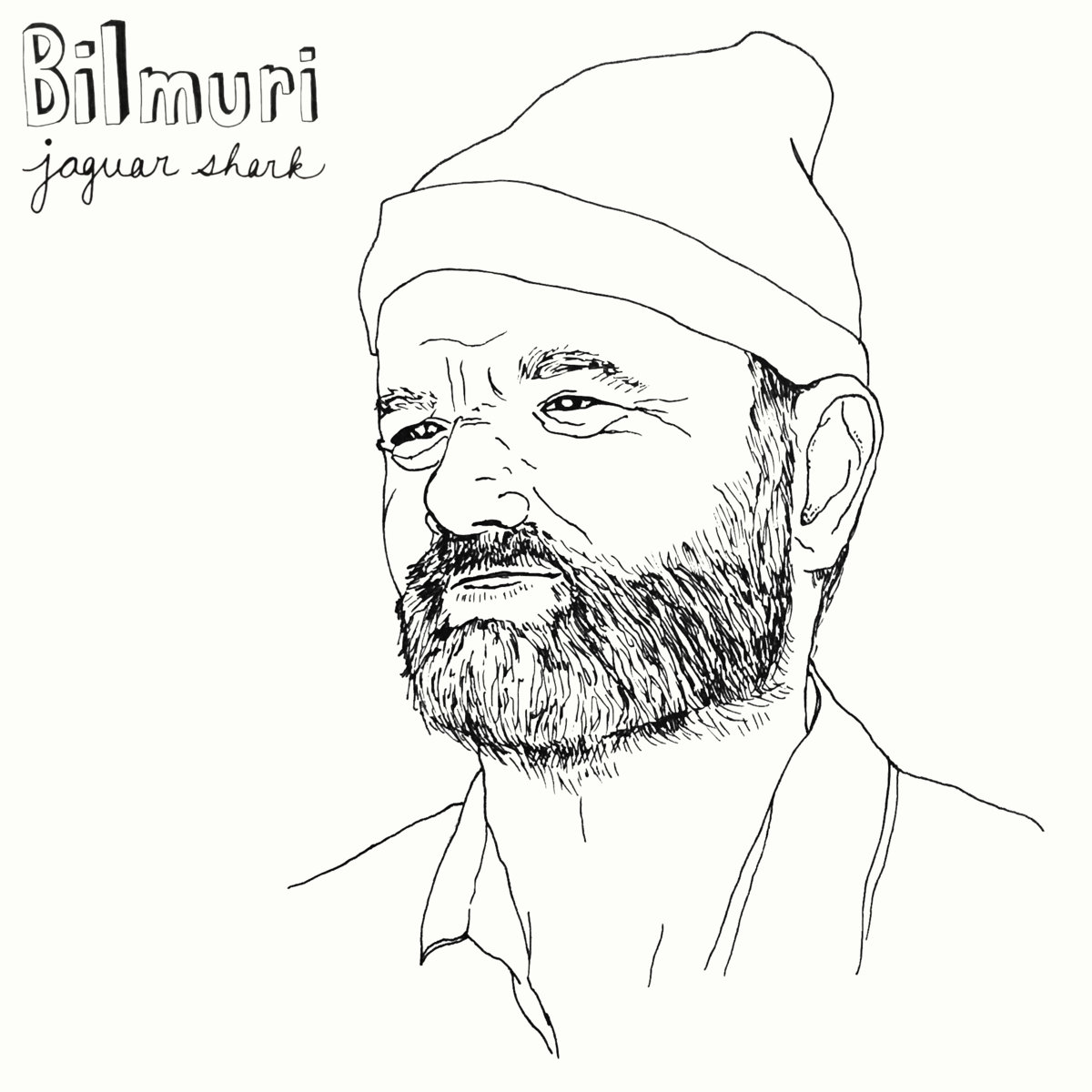
The heavy music community faces critical questions about accountability and artistic integrity this week as Bilmuri welcomes back Reese Maslen after his brief departure over abuse allegations, while Columbus prepares to host death metal's biggest names at Sonic Temple 2026. These parallel developments illuminate the ongoing tension between second chances and community standards that continues to shape metal's cultural evolution.
The Four-Month Question: Bilmuri's Return Sparks Community Debate
Ohio's own Bilmuri finds itself at the center of heavy music's accountability conversation as Reese Maslen rejoins the alternative metal outfit after departing over abuse allegations just four months ago. The brief hiatus raises fundamental questions about rehabilitation, community healing, and the timeline required for meaningful self-reflection in an industry where personal conduct increasingly impacts professional opportunities.
For Ohio metal bands touring 2026, Bilmuri's situation represents more than individual controversy—it reflects the broader challenge facing the metal community as fans, venue operators, and festival organizers increasingly demand transparency and accountability from performers. The band's djent-influenced sound and pop punk accessibility had positioned them as rising stars in Ohio's diverse metal landscape, making their internal turmoil particularly visible to regional audiences.
The quick turnaround between departure and return suggests either rapid resolution of underlying issues or potential external pressures that prioritize musical output over community concerns. This timeline stands in stark contrast to other metal acts who have taken extended breaks to address similar allegations, raising questions about industry standards for accountability and rehabilitation.

Death Metal Royalty Descends on Columbus: Sonic Temple 2026 Elevates Extreme Music
While accountability questions swirl around individual bands, Columbus continues cementing its position as heavy music's festival capital through Sonic Temple 2026's death metal-focused lineup. The May 14-17 event promises to showcase five deadly death metal bands across four days and five stages, reinforcing Ohio's strategic importance in extreme metal's mainstream acceptance.
Danny Wimmer's festival empire has transformed Columbus into a destination for metal tourism, creating unprecedented opportunities for local death metal acts to share stages with international headliners. The 2026 lineup's death metal emphasis particularly benefits Ohio's robust extreme metal community, from established acts to emerging brutality specialists who can study world-class performances in their backyard.
This festival infrastructure provides crucial professional development opportunities that many regional scenes lack. Young death metal musicians can observe production techniques, stage presence strategies, and audience engagement methods from genre masters, while industry professionals scout emerging talent during festival week. The economic impact extends beyond music, as metal tourism supports local businesses and reinforces Ohio's reputation as a culturally significant destination.
West Coast Touring Strategies: Red Fang and The Sword Map Regional Success
The announcement of Red Fang and The Sword's West Coast touring partnership demonstrates strategic collaboration that Ohio metal acts should carefully study. Both bands represent different approaches to heavy music longevity—Red Fang's garage rock-influenced metal and The Sword's progressive heavy rock—yet their joint touring model maximizes audience reach while minimizing individual financial risk.
For new metal bands 2026 seeking sustainable touring strategies, this partnership illustrates how complementary but distinct sounds can create mutually beneficial arrangements. Rather than competing for identical audiences, the bands expand each other's reach while sharing transportation, accommodation, and promotional costs that often strain individual budgets.
Ohio's central geographic position makes it an ideal testing ground for such collaborative approaches. Regional heavy metal acts could develop similar partnerships for Midwest touring circuits, using the state's venue infrastructure and metal-friendly audiences as launch points for broader regional success.
Industry Evolution: From Accountability to Artistic Innovation
The contrast between Bilmuri's quick return and the careful career management demonstrated by touring partnerships like Red Fang and The Sword reveals metal's current cultural complexity. While some situations demand immediate attention to community standards, others benefit from patient strategic planning that prioritizes long-term sustainability over short-term gains.
Major label announcements from established acts like Mastodon and Dimmu Borgir demonstrate the industry's continued investment in veteran talent, while younger acts navigate increasingly complex expectations around personal conduct, artistic authenticity, and community engagement. These parallel pressures create both opportunities and challenges for Ohio's metal scene, where regional acts must balance local reputation management with national ambitions.
The success stories emerging from Ohio's metal community—from festival breakthrough opportunities to strategic touring partnerships—suggest that transparency and professionalism increasingly determine which acts achieve sustainable careers. Bands that embrace accountability while maintaining artistic excellence position themselves for long-term success in an industry where reputation travels faster than ever.
Regional Implications: Ohio's Metal Scene Leadership
As accountability discussions reshape metal culture nationwide, Ohio's established festival infrastructure and diverse band community position the state as a natural laboratory for industry evolution. Sonic Temple's continued growth provides a high-profile platform where emerging standards play out in real time, while regional venues and promoters adapt policies that balance artistic freedom with community safety.
The best metal bands understand that technical excellence alone no longer guarantees career sustainability. Professional conduct, community engagement, and ethical behavior increasingly influence booking decisions, festival slots, and fan loyalty. Ohio metal bands that embrace these evolving standards while maintaining the genre's rebellious spirit demonstrate how heavy music culture can mature without losing its essential intensity.
For emerging acts watching Bilmuri's situation unfold, the lesson extends beyond individual accountability to broader questions about band dynamics, conflict resolution, and community relationship management. The four-month timeline between departure and return suggests either remarkable personal growth or insufficient time for meaningful change—a distinction that only sustained professional conduct will ultimately reveal.
The metal community's response to these developments will shape future standards for accountability and redemption, making Ohio's upcoming festival season a crucial testing ground for heavy music's cultural evolution. As Sonic Temple 2026 approaches and regional touring seasons intensify, the intersection of artistic excellence and community responsibility continues defining what it means to be part of metal's enduring brotherhood.