Mainstream Metal Certification Surge and Touring Revival Signal Commercial Renaissance for Heavy Music
The heavy music landscape is experiencing a remarkable commercial renaissance as established acts achieve unprecedented certification milestones while simultaneously embracing nostalgic touring strategies. This dual approach of mainstream recognition and fan service creates fascinating opportunities for regional scenes to capitalize on renewed industry momentum.
Certification Achievements Signal Mainstream Acceptance
The recent wave of RIAA certifications tells a compelling story about metal's expanded commercial reach. Five Finger Death Punch's achievement of their first multi-platinum single represents more than just sales numbers—it demonstrates how persistence and strategic positioning can eventually break through mainstream resistance. Similarly, Saosin's first gold album certification proves that post-hardcore and alternative metal acts can find sustainable commercial success years after their initial releases.
These achievements reflect a broader industry trend where best metal albums of all time are being re-evaluated by both critics and consumers. The streaming era has allowed fans to rediscover catalog material, leading to delayed commercial recognition for albums that were initially overlooked or undervalued. This phenomenon creates opportunities for Ohio metal bands from Chimaira to newer acts building their own legacies through consistent output and fan engagement.
Nostalgia Tours and Original Lineup Reunions
The touring circuit is simultaneously embracing both forward momentum and backward reflection. Cold's strategic deployment of tracks from their gold-certified albums demonstrates how veteran acts can maximize fan satisfaction while promoting current material. This approach acknowledges that audiences often connect most deeply with music that defined specific periods of their lives.
Nonpoint's reunion with original bassist Ken MacMillan for a performance of their definitive track represents the ultimate fan service strategy. These original lineup moments create once-in-a-lifetime experiences that justify premium ticket pricing while generating significant social media buzz. The strategy works because it offers something genuinely rare in an oversaturated entertainment landscape.
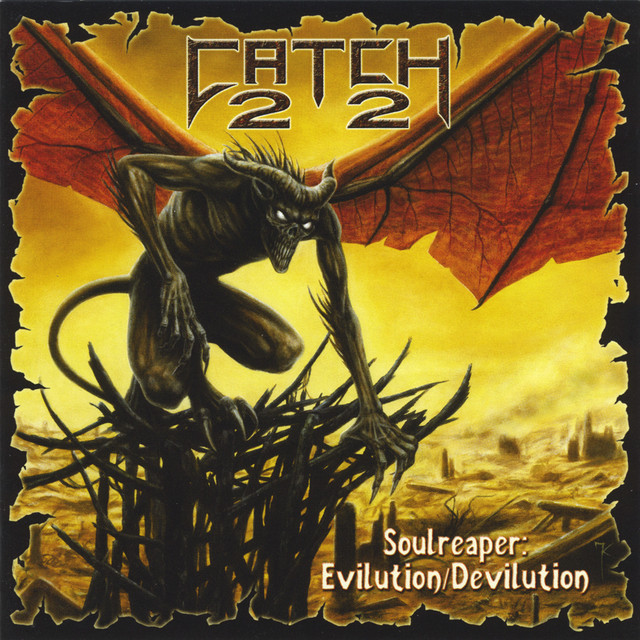
For Ohio metal scene veterans, these examples provide a roadmap for maximizing the value of their own histories. Bands like Catch 22 and other power metal acts from the region understand that their early material often holds special significance for longtime supporters.
Festival Performance Innovation and Weather Challenges
The festival circuit continues evolving as artists push creative boundaries within time constraints. Ice Nine Kills' debut of "Twisting The Knife" with guest collaborator MAPHRA demonstrates how established acts can create exclusive festival moments that generate lasting fan memories. These one-off collaborations often become legendary within fan communities, discussed and shared long after the actual performance.
However, the unpredictability of outdoor events remains a constant challenge. Poppy's canceled set due to severe weather warnings—ironically during "have you had enough?"—illustrates how external factors can instantly derail carefully planned performances. This reality makes festival appearances both potentially rewarding and inherently risky for emerging acts.
The new metal bands 2026 preparing for major festival circuits must develop contingency strategies for various scenarios. Technical difficulties, weather interruptions, and schedule changes are inevitable aspects of the festival experience that require professional flexibility and preparation.
Industry Personnel Changes and Creative Evolution
Behind-the-scenes developments continue shaping the creative landscape as musicians navigate career transitions and artistic evolution. Kingdom of Giants' loss of Jonny Reeves represents the ongoing challenge of maintaining band chemistry while individual members pursue different paths. These departures often create opportunities for new voices to emerge within established musical frameworks.
The thrash metal revival continues gaining momentum as veteran acts like Sacred Reich push toward new releases. Their collaboration with legendary producer Bill Metoyer for "Into The Abyss" demonstrates how experienced bands leverage industry relationships to maintain authentic sounds while embracing modern production capabilities.
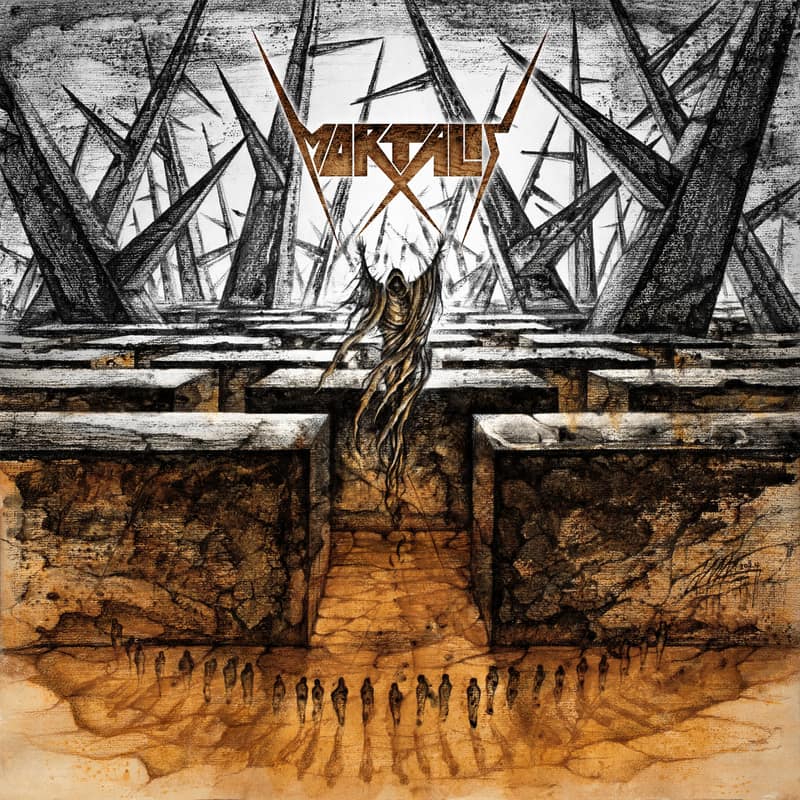
Gene Hoglan's recent comments about grunge's thrash metal influences provide valuable historical perspective on genre evolution. Understanding these connections helps contemporary musicians appreciate how 80s metal bands laid groundwork for multiple subsequent movements. Ohio's thrash community, including acts like Mortalis, continues building upon these foundational elements while developing regional distinctiveness.
Cross-Industry Cultural Integration
Heavy music's cultural influence extends well beyond traditional entertainment boundaries. WWE NXT's Lizzy Rain represents a growing trend of metal culture integration within professional wrestling. Her commitment to representing metalheads in the wrestling ring demonstrates how genre loyalty can become a defining professional characteristic across different entertainment mediums.
This cross-pollination creates new audience development opportunities for metal bands touring 2026. Wrestling fans, gaming communities, and other entertainment sectors increasingly overlap with metal audiences, expanding potential fanbase reach through strategic marketing approaches.
Collaborative Performances and Genre Blending
The trend toward collaborative live performances continues expanding as artists seek unique experiences that transcend traditional genre boundaries. Hayley Williams' inclusion of Anthony Green from Circa Survive and Kat Moss from Scowl demonstrates how established artists can introduce their audiences to complementary acts while creating memorable shared moments.
These collaborations often expose fans to music they might not otherwise discover, creating organic growth opportunities for participating artists. The strategy works particularly well when the guest artists operate within compatible but distinct musical territories.
Album Title Controversies and Industry Politics
The dispute between Venom and Lamb of God over the "Into Oblivion" album title reveals ongoing tensions around creative ownership and industry timing. Venom's claim of prior composition highlights how multiple artists can independently develop similar concepts, leading to awkward marketplace overlaps.
These situations demonstrate the importance of trademark research and strategic communication within the music industry. While artistic inspiration often leads to parallel development, professional bands must navigate potential conflicts diplomatically while protecting their own creative investments.
Regional Opportunities and Strategic Positioning
For Ohio's metal community, these national developments create strategic opportunities across multiple fronts. The commercial success of veteran acts proves that persistence and consistent output can eventually achieve mainstream recognition. The emphasis on nostalgic touring strategies suggests that building lasting fan relationships remains more valuable than chasing temporary trends.
Ohio's established festival infrastructure, particularly around Columbus, positions regional acts to benefit from increased industry activity. Sonic Temple's continued expansion creates opportunities for local bands to gain exposure through strategic positioning and professional networking.
The state's diverse metal scene, spanning from death metal acts to power metal bands, provides multiple pathways for achieving the kind of commercial milestones currently being celebrated by national acts. Success requires combining authentic artistic vision with strategic career planning and consistent professional execution.
As the heavy music industry continues evolving, Ohio's metal community stands positioned to capitalize on these trends through sustained creativity, collaborative networking, and professional development initiatives that connect regional talent with national opportunities.