Lineup Volatility and Festival Dominance: Columbus's Sonic Temple Anchors Metal Through Singer Changes and Band Departures
Metal's persistent lineup changes continue reshaping the industry landscape, but Ohio's festival infrastructure proves increasingly vital as bands navigate personnel transitions and health challenges. From Dragonforce's major vocalist swap to Breaking Benjamin's drummer introduction, the genre's constant evolution finds stability in established festival circuits—particularly Columbus's Sonic Temple, which emerges as a crucial anchor point for bands testing new configurations.
Vocalist Transitions Signal Genre's Adaptation Strategy
Dragonforce's debut performance with new singer Alissa White-Gluz at Welcome to Rockville represents more than a simple personnel change—it demonstrates how established metal acts are embracing calculated risks to address health concerns while maintaining commercial viability. White-Gluz's transition from Arch Enemy brings proven extreme metal credentials to Dragonforce's power metal framework, suggesting the genre's increasing comfort with cross-pollination between subgenres.
The timing proves significant for Ohio's metal community, particularly as Tomorrow and other doom metal acts navigate their own evolution. White-Gluz's ability to bridge melodic death metal and power metal demonstrates the strategic value of versatile vocalists in an era where bands must adapt quickly to health challenges and touring demands.
Breaking Benjamin's introduction of drummer Brian Medeiros alongside their new track "Something Wicked" reveals another dimension of this adaptation strategy. Rather than treating lineup changes as setbacks, established acts are leveraging personnel transitions as opportunities to introduce fresh material and reset audience expectations.
Health Challenges Reshape Industry Priorities
Jason Newsted's public discussion of his throat cancer battle adds sobering context to these lineup changes. His frank assessment—"It's the closest I've ever come to not breathing"—underscores the physical toll that decades of metal performance exact on musicians. This reality creates opportunities for younger acts to step into larger roles while forcing veteran bands to develop succession planning strategies.
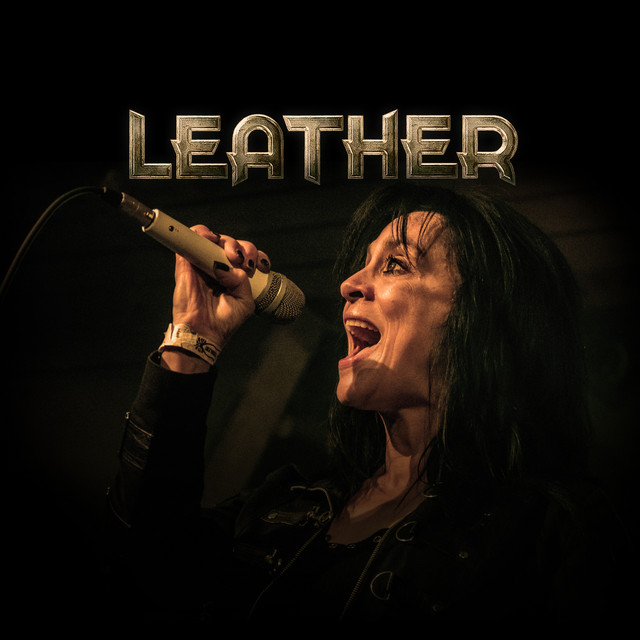
For Ohio's metal scene, these developments highlight the importance of building sustainable performance practices early. Bands like Leather and other traditional heavy metal acts can learn from these veteran experiences, developing vocal techniques and performance approaches that prioritize longevity over immediate intensity.
The contrast between Newsted's health struggles and Mastodon's creative challenges—drummer Brann Dailor describing their new album as "a hard record to make"—illustrates the multiple pressures facing established metal acts. Physical limitations, creative expectations, and industry demands create a complex matrix that younger bands must navigate more strategically than previous generations.
Sonic Temple's Strategic Importance Grows
Against this backdrop of lineup volatility, Sonic Temple 2026's death metal focus takes on additional significance. The festival's commitment to featuring five deadly death metal bands across its four-day Columbus run demonstrates how established festival infrastructure provides stability for a genre in constant flux. Ohio's position as home to this major festival creates unique advantages for regional acts seeking to establish themselves during industry uncertainty.
The festival model offers several strategic benefits during periods of lineup instability. Bands can test new configurations in front of large audiences, share bills with acts facing similar transitions, and benefit from professional production values that showcase personnel changes in the best possible light. For Ohio death metal acts, Sonic Temple represents more than booking opportunities—it's a proving ground where regional bands can demonstrate their readiness for national recognition.
Columbus's festival infrastructure also provides crucial economic stability for the broader regional metal ecosystem. As touring becomes more expensive and complex due to various factors, having a major festival within the state reduces travel costs for local acts while attracting national attention to Ohio's metal scene. This creates a multiplier effect where regional bands benefit from increased visibility and networking opportunities.
Korn's Uncertainty Reflects Industry-Wide Trends
Fieldy's ambiguous status with Korn—his statement that "We'll see what the day brings tomorrow"—exemplifies the uncertainty facing many established metal acts. Rather than definitive departures or returns, many musicians are adopting fluid approaches to band membership that prioritize health and personal circumstances over traditional touring commitments.
This trend creates opportunities for session musicians and regional acts to fill gaps in major touring lineups. Ohio's diverse metal scene, with its strong foundation in multiple subgenres, positions local musicians to benefit from these flexible arrangements. Bands that develop reputation for professional reliability and quick adaptation may find unexpected touring opportunities as established acts navigate member availability issues.
The approach also suggests that future metal touring may become more project-based, with core songwriters partnering with different musicians for different tours or recording projects. This evolution could particularly benefit Ohio's metal musicians, who have access to both regional networking opportunities and the professional infrastructure provided by events like Sonic Temple.
International Developments Offer Regional Lessons
Metallica's surprise "Zorba's Dance" performance in Athens demonstrates how veteran acts are finding creative ways to maintain audience engagement despite personnel and health challenges within the broader metal community. Their willingness to incorporate local cultural elements suggests strategies that regional acts might adopt when touring beyond their home territories.
Sacred Reich's work on "Into The Abyss" with producer Bill Metoyer illustrates another adaptation strategy—veteran bands returning to classic production approaches that emphasize their core strengths rather than chasing current trends. For Ohio's thrash metal acts, this represents a viable path forward that prioritizes authenticity over commercial calculation.
The simultaneous release planning conflict between Venom and Lamb of God over the title "Into Oblivion"—with Venom asserting they "wrote the song five years ago"—reveals how even established acts face coordination challenges in an increasingly crowded release calendar. This situation underscores the importance of strategic timing and clear communication for bands at all levels.
Regional Scene Positioning
These industry developments create a complex but navigable landscape for Ohio's metal community. The combination of lineup volatility, health challenges, and established festival infrastructure suggests that regional scenes with strong organizational foundations will outperform those dependent solely on individual band success.
Ohio's advantages include geographic accessibility to major markets, established venue networks, and the anchor presence of Sonic Temple. As national acts face increasing personnel challenges, the stability offered by regional festival circuits becomes more valuable. Local metal bands that develop professional reputations and flexible approaches to collaboration will find more opportunities than those maintaining rigid artistic or commercial expectations.
The key lies in viewing current industry volatility as opportunity rather than obstacle. Each lineup change, health challenge, and festival booking represents a chance for prepared regional acts to demonstrate their readiness for larger platforms. Ohio's metal scene, with its diversity of subgenres and established infrastructure, is uniquely positioned to benefit from this period of industry transition.
Success will require strategic thinking about timing, networking, and artistic development. But for Ohio metal bands willing to embrace the industry's current uncertainty as creative opportunity, the next several years may prove more rewarding than any period in the genre's recent history.