Heavy Metal Nostalgia Meets West Coast Touring Strategies: Retirement Fears and Revival Tours Shape Genre's Commercial Future
The heavy metal landscape is experiencing a fascinating convergence of career uncertainty and strategic touring expansion, as veteran acts confront retirement considerations while emerging partnerships redefine regional touring circuits. Recent developments from Atlanta's Sevendust and the collaboration between Red Fang and The Sword reveal how established metal acts are navigating career longevity while newer touring alliances are reshaping geographic market penetration.
Sevendust's candid admission about retirement discussions prior to their latest album "One" highlights a reality many veteran metal acts face: balancing creative passion with the physical and emotional demands of sustained touring. The Atlanta quintet's decision to push forward with their first European headline tour in eight years, following successful arena support slots, demonstrates how established bands are strategically selecting high-impact opportunities over exhaustive touring schedules.
This selective approach represents a significant shift from the traditional metal touring model, where bands often committed to relentless road schedules regardless of market conditions or personal sustainability. Sevendust's calculated return to European markets suggests that veteran acts are prioritizing quality over quantity, focusing on regions where they can command headline status and maximize both artistic satisfaction and financial return.
Regional Touring Partnerships Reshape Market Dynamics
Meanwhile, the announcement of Red Fang and The Sword's West Coast partnership tour illustrates how mid-tier metal acts are increasingly collaborating to create economically viable touring packages. This strategic pairing combines Red Fang's stoner rock appeal with The Sword's heavy metal foundation, creating a compelling draw for audiences across multiple subgenres.
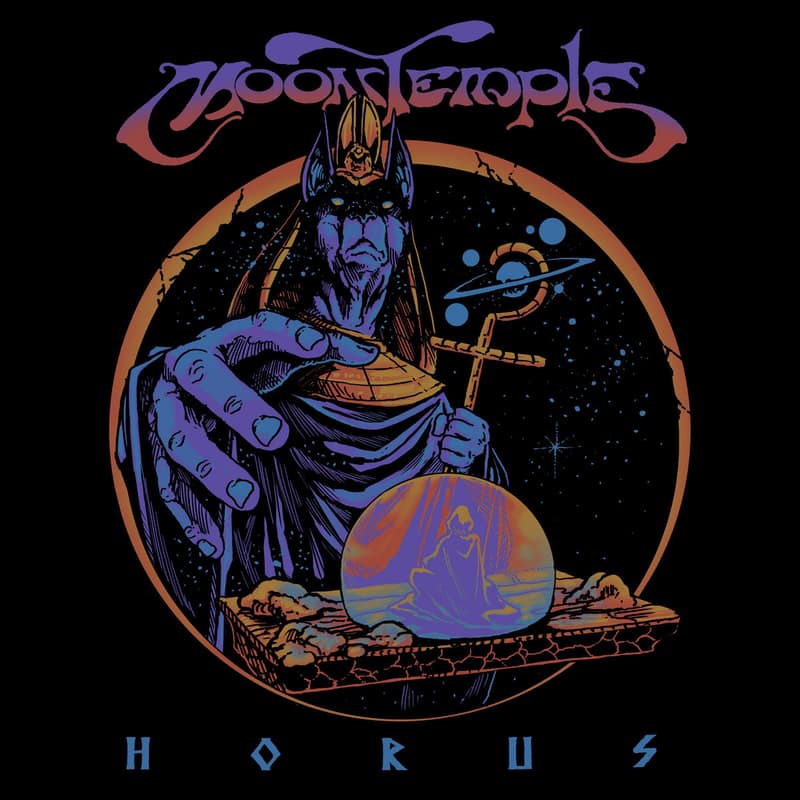
The West Coast focus of this tour reflects broader industry trends toward regional market concentration. Rather than attempting nationwide tours with uncertain attendance, these partnerships allow bands to dominate specific geographic markets while sharing production costs and cross-pollinating fan bases. This approach has particular relevance for metal bands from Ohio, where acts like Moontemple in the stoner metal realm could benefit from similar collaborative strategies.
The success of such partnerships often depends on complementary but distinct sounds that enhance rather than compete with each other. Red Fang's more aggressive approach pairs effectively with The Sword's epic compositions, creating dynamic shows that maintain audience engagement throughout extended sets. Ohio's diverse metal scene, featuring everything from the atmospheric work of bands in the post-metal realm to the crushing riffs of established acts, offers numerous opportunities for similar strategic pairings.
Ohio's Death Metal National Breakthrough
While veteran acts strategize about career longevity and regional partnerships reshape touring economics, Ohio's extreme metal scene continues gaining national prominence through high-profile festival slots. Sanguisugabogg's inclusion on major touring packages alongside established acts like Lamb of God, Kublai Khan TX, and Fit For An Autopsy demonstrates how Ohio's death metal exports are achieving the kind of national recognition that previous generations of local metal acts struggled to attain.
The significance of Sanguisugabogg's placement on these tours extends beyond individual band success. Their presence on lineups dominated by established names validates Ohio's death metal scene as a legitimate source of emerging talent, potentially opening doors for other Ohio extreme metal acts. This national visibility comes at a crucial time when festival bookers and tour promoters are actively seeking authentic heavy music that resonates with core metal audiences.
Columbus's Sonic Temple festival continues serving as Ohio's primary metal showcase, with its upcoming 2026 edition featuring death metal prominently across its four-day, five-stage format. The festival's emphasis on extreme metal subgenres creates opportunities for Ohio bands to demonstrate their capabilities on home turf while industry professionals and national audiences take notice.
Festival Strategy and Market Positioning
The current festival landscape reveals how different metal subgenres are positioning themselves for commercial growth. Death metal's increased festival presence, exemplified by Sonic Temple's programming choices, suggests that extreme metal has moved beyond niche status into more mainstream heavy music acceptance. This shift benefits Ohio's robust death metal community, which includes not only breakthrough acts like Sanguisugabogg but also developing bands across the extreme metal spectrum.
For Ohio's metal scene, the challenge lies in capitalizing on this increased visibility without diluting the authenticity that made these acts compelling in the first place. The best metal bands often achieve success by maintaining their core identity while adapting to larger stage productions and diverse audiences. This balance becomes particularly important as new metal bands 2026 emerge from Ohio's fertile underground scene.
The regional advantage Ohio metal acts possess stems partly from the state's strong live music infrastructure and dedicated fan base. Cities like Columbus, Cleveland, and Cincinnati offer venues capable of hosting everything from intimate club shows to arena productions, allowing bands to develop performance skills across different scales. This experience proves invaluable when transitioning to national touring circuits or major festival stages.
Legacy Acts and Creative Sustainability
Returning to Sevendust's retirement considerations, their ultimate decision to continue creating and touring offers insights into how veteran metal acts can maintain creative relevance while managing career sustainability. The band's approach of selective touring combined with continued album releases suggests a model that other established acts might follow: strategic market selection rather than comprehensive tour coverage.
This approach has implications for Ohio's established metal acts, including legacy bands that helped define the state's heavy music identity. Rather than attempting to match the touring intensity of their younger years, veteran Ohio metal acts can focus on high-impact performances that showcase their experience and songcraft to maximum advantage.
The key to this strategy lies in understanding which markets offer the strongest return on investment, both artistically and financially. Ohio's central location provides natural advantages for reaching multiple regional markets efficiently, while the state's metal scene offers opportunities for hometown shows that celebrate established acts' contributions to local music culture.
Looking Forward: Strategic Opportunities
The convergence of veteran band sustainability strategies and emerging touring partnerships creates unique opportunities for Ohio's metal community. Local acts can study how established bands are navigating career longevity while developing their own collaborative relationships within the state's diverse metal scene.
The success of Red Fang and The Sword's partnership model suggests that Ohio bands across different heavy metal subgenres could benefit from similar strategic alliances. Whether pairing death metal acts with metalcore bands or combining stoner metal groups with post-metal acts, these collaborations can create compelling live experiences while sharing touring costs and expanding audience reach.
As metal bands touring 2026 continue adapting to changed industry conditions, Ohio's metal scene is well-positioned to demonstrate how regional strength can translate into national recognition. The combination of established festival presence, emerging national acts, and a deep roster of developing talent creates a foundation for sustained growth and influence within the broader metal community.
The path forward requires balancing respect for metal's authentic traditions with strategic adaptation to current market realities. Ohio's metal bands, from underground death metal acts to established genre pioneers, can learn from both Sevendust's sustainability approach and the collaborative spirit driving new touring partnerships. This synthesis of experience and innovation positions Ohio's metal scene for continued evolution and expanding influence throughout the heavy music landscape.