Columbus Festival Empire and Death Metal Dynasties: Sonic Temple's 2026 Vision Shapes National Heavy Music Strategy
Columbus stands poised to cement its status as America's heavy music capital as Sonic Temple 2026 prepares to showcase five deadly death metal acts across its massive four-day, five-stage festival empire. The Danny Wimmer-presented event, scheduled for May 14-17, represents more than just another festival lineup—it signals Ohio's emergence as the strategic center of extreme metal's mainstream breakthrough.
The Columbus Festival Machine
Sonic Temple's evolution into Ohio's biggest music festival reflects a calculated understanding of heavy music's geographic and cultural center. While other regions chase trends, Columbus has built sustainable infrastructure around authentic heavy music presentation. The festival's commitment to death metal programming demonstrates sophisticated audience development that extends far beyond weekend ticket sales.
This infrastructure advantage creates unprecedented opportunities for metal bands from Ohio to study professional festival operations firsthand. Local acts witness how major productions handle logistics, stage management, and audience flow—knowledge that translates directly into improved live performances and tour planning. The educational value alone positions Ohio's metal scene for accelerated professional development.
Death Metal's Strategic Evolution
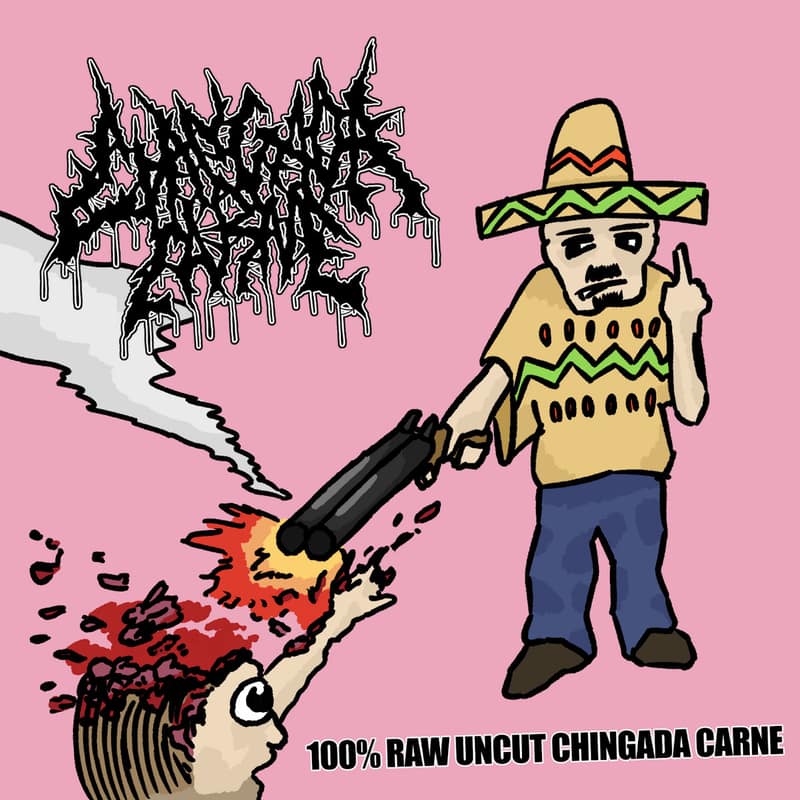
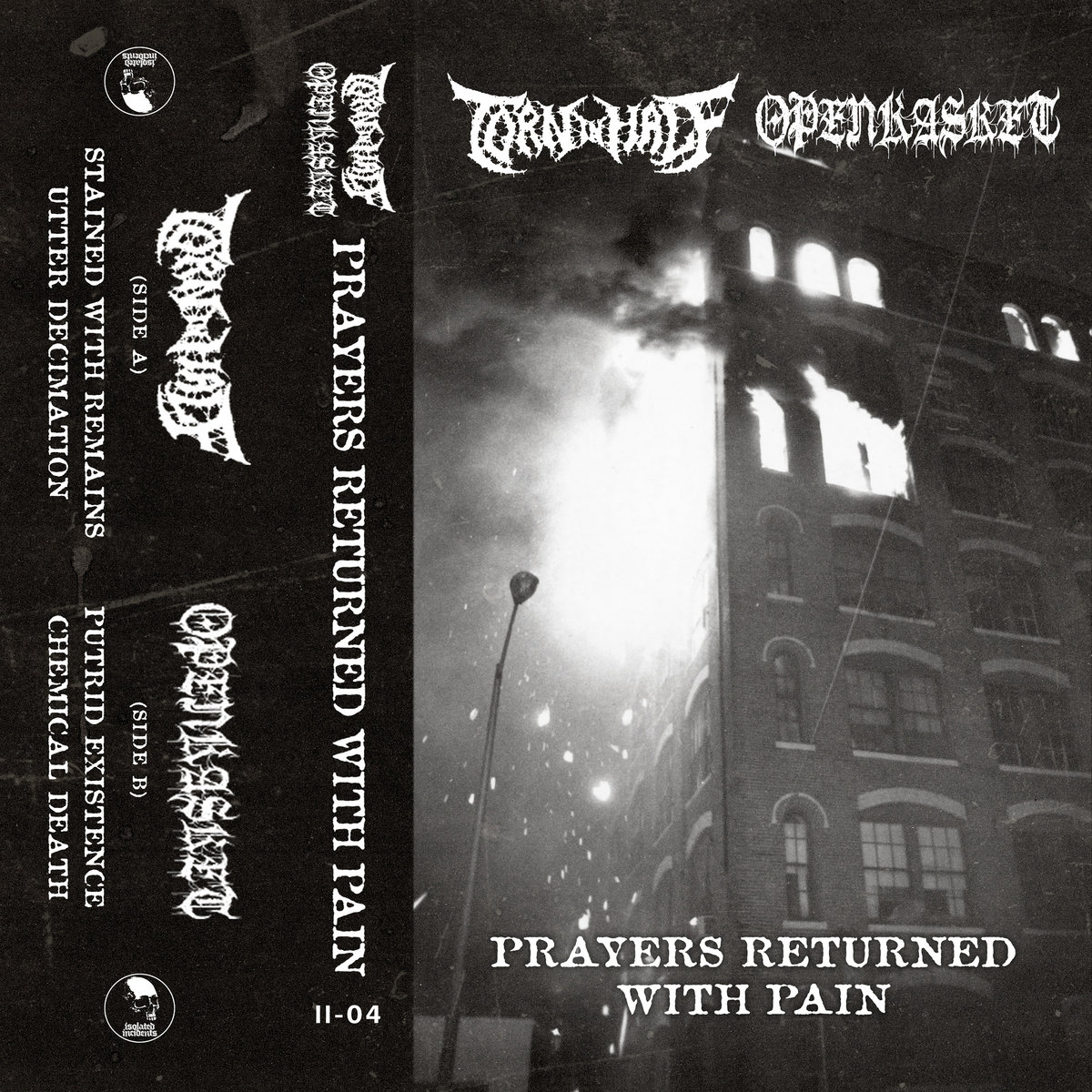
The emphasis on death metal programming reflects the genre's sophisticated evolution from underground cult status to festival headliner material. Death metal's technical demands require exceptional musicianship, creating natural quality filters that festival organizers increasingly recognize as reliable crowd-drawing assets. Ohio's death metal community, including bands like Chingada Carne and Torn in Half, benefits from this mainstream acceptance through expanded venue opportunities and increased industry attention.
This genre elevation creates ripple effects throughout Ohio's broader metal ecosystem. When death metal achieves festival prominence, adjacent genres like thrash and black metal gain credibility by association. Bands across the spectrum can leverage death metal's rising tide to secure better booking opportunities and reach new audiences previously skeptical of extreme music.
Thrash Metal's Historical Influence
Recent discussions about thrash metal's influence on grunge music highlight the genre's often-underestimated cultural impact. Gene Hoglan's insights about thrash pioneers not recognizing their historical significance at the time offers valuable perspective for Ohio's current metal scene. Today's local thrash acts like Karnage and Aeon Bridge might similarly underestimate their role in shaping tomorrow's musical landscape.
This historical context emphasizes the importance of documentation and preservation within Ohio's metal community. The best metal bands often emerge from scenes that maintain strong archival practices, ensuring their contributions receive proper recognition. Ohio's metal scene possesses the infrastructure and institutional memory necessary to avoid the oversight that affected early thrash metal recognition.
Album Development and Creative Patience
Sacred Reich's methodical approach to their upcoming "Into The Abyss" album, working with legendary producer Bill Metoyer, demonstrates the value of patient, professional album development. Their collaboration with established industry veterans provides a template for Ohio's metal bands seeking to elevate their production quality and industry standing.
The Arizona veterans' strategic timeline, targeting late 2026 release through Metal Blade Records, shows how experienced acts balance creative perfectionism with commercial timing. Ohio's metal community can apply these lessons to their own release strategies, understanding that rushing inferior products undermines long-term career development more than delayed superior releases.
Bands like Subtype Zero and Midevil can study Sacred Reich's methodical approach as they develop their own album cycles, recognizing that professional production partnerships often prove more valuable than rushed independent releases.
Industry Health and Sustainability
Slipknot's Clown discovering heart surgery needs after touring highlights the physical demands inherent in metal performance careers. This revelation underscores the importance of health monitoring and sustainable performance practices that allow artists to maintain long-term careers without sacrificing their physical wellbeing.
Ohio's metal scene can learn from these high-profile health challenges by implementing preventive measures early in artists' careers. Regular health screenings, proper stage ergonomics, and sustainable touring schedules become competitive advantages when they prevent career-ending medical emergencies.
The incident also demonstrates how established artists' health struggles create opportunities for emerging acts to fill tour slots and festival positions. Ohio bands maintaining professional readiness can capitalize on these unexpected openings when they arise.
Creative Collaboration and Reunion Dynamics
Nonpoint's reunion with original bassist Ken MacMillan for their Welcome To Rockville performance demonstrates the enduring power of original lineups and the commercial appeal of reunion dynamics. These strategic reunions often generate significant media attention and audience enthusiasm that extends benefits throughout the metal community.
Ohio's metal veterans can study these reunion strategies as they navigate their own career arcs. Maintaining positive relationships with former bandmates creates opportunities for lucrative reunion performances and expanded touring possibilities. The nostalgia market represents substantial revenue potential for bands willing to embrace their historical lineups.
Collaborative Projects and Tribute Innovation
The Rainbow tribute project featuring Steve Morse, Jonathan Cain, Simon Wright, and Ronnie Romero showcases how supergroup collaborations can revitalize classic material while introducing it to new audiences. These high-profile collaborations demonstrate the commercial viability of tribute projects when executed with appropriate artistic vision and professional standards.
Ohio's diverse metal scene possesses the talent depth necessary to create similar tribute projects celebrating influential metal acts. Such collaborations can generate media attention while providing networking opportunities between artists from different bands and subgenres.
Regional Advantages and Strategic Positioning
Ohio's central geographic location provides unique advantages for metal bands touring 2026 and beyond. The state's proximity to major metropolitan areas, combined with reasonable venue costs and strong local metal communities, creates ideal conditions for sustainable music careers.
Columbus's emergence as a festival destination adds another layer of strategic advantage. Local bands gain access to industry professionals, booking agents, and record label representatives who might otherwise require expensive travel to encounter. This proximity to industry infrastructure accelerates professional development and business relationship formation.
The success of events like Sonic Temple demonstrates Ohio's capacity to support large-scale metal productions, indicating robust audience demand and professional infrastructure. These factors combine to create an ecosystem where new metal bands 2026 can develop sustainable careers without relocating to traditionally dominant music centers.
As the metal industry continues evolving, Ohio's combination of authentic metal culture, professional infrastructure, and geographic advantages positions the state's scene for sustained growth and national prominence. The convergence of festival expansion, genre mainstream acceptance, and local talent development creates unprecedented opportunities for Ohio's metal community to achieve lasting success.