Visa Barriers and DIY Spirit: International Metal's Touring Struggles Highlight Ohio's Self-Sufficient Scene Advantages
The metal world is witnessing a fascinating paradox: while legendary acts like Venom struggle with costly visa requirements and international touring barriers, regional powerhouses are seizing unprecedented opportunities. This divide between global accessibility and local resilience is reshaping how metal operates in 2026, with particular implications for Ohio's increasingly self-sufficient heavy music ecosystem.
International Barriers Create Domestic Opportunities
British black metal pioneers Venom have candidly addressed their absence from American stages, citing the prohibitive costs and bureaucratic complexity of international touring. The band's guitarist Stuart "Rage" Dixon recently described international acts as "like vampires" who need explicit invitations to cross borders—a metaphor that perfectly captures the current state of global metal touring economics.
This revelation illuminates a broader industry challenge that extends far beyond one legendary act. When foundational bands like Venom find American touring financially unfeasible, it creates a vacuum that domestic acts are uniquely positioned to fill. The economics are straightforward: no visa applications, no international logistics, no currency fluctuations—just pure musical firepower and regional touring networks.
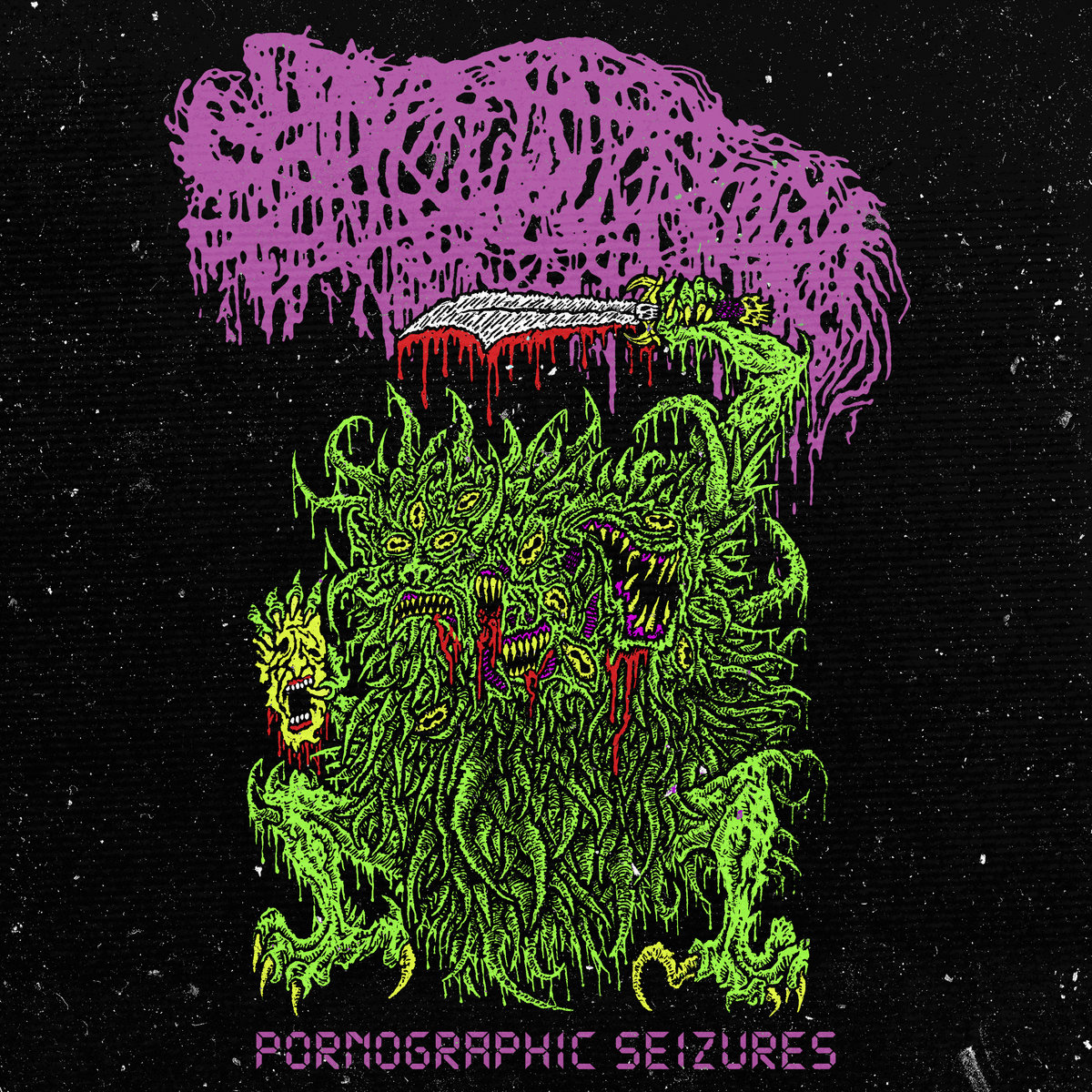
For Ohio's metal scene, these international barriers represent strategic advantages rather than obstacles. While European acts calculate visa costs and immigration paperwork, Sanguisugabogg continues building their reputation through high-profile touring slots with major acts like Lamb of God, demonstrating how regional authenticity can achieve national recognition without international complications.
Tour Packaging and Strategic Partnerships
The current touring landscape reveals sophisticated packaging strategies that benefit both established headliners and emerging regional acts. Multi-band packages like the Lamb of God tour featuring Kublai Khan TX, Fit For An Autopsy, and Ohio's own Sanguisugabogg demonstrate how strategic partnerships create mutually beneficial exposure opportunities.
These touring partnerships represent more than simple opening act arrangements—they're carefully constructed ecosystems where each band brings distinct fan bases while contributing to a cohesive heavy music experience. For Ohio acts, securing slots on major tours provides national exposure without the overhead costs that international acts face when attempting American market penetration.
The DIY music video trend, exemplified by bands like No Cure organizing fan-assisted video shoots, further demonstrates how resourceful approaches can achieve professional results. This grassroots creativity perfectly aligns with Ohio's historically self-reliant metal scene, where innovation emerges from necessity rather than major label budgets.
Legacy Acts and Market Positioning
While international legends navigate bureaucratic obstacles, American heritage acts are leveraging their accessibility for strategic market positioning. Tom Araya's recent appearance as Grand Marshal at the Würth 400 NASCAR race demonstrates how metal's cultural influence extends into mainstream American entertainment—opportunities largely unavailable to international acts facing visa restrictions.
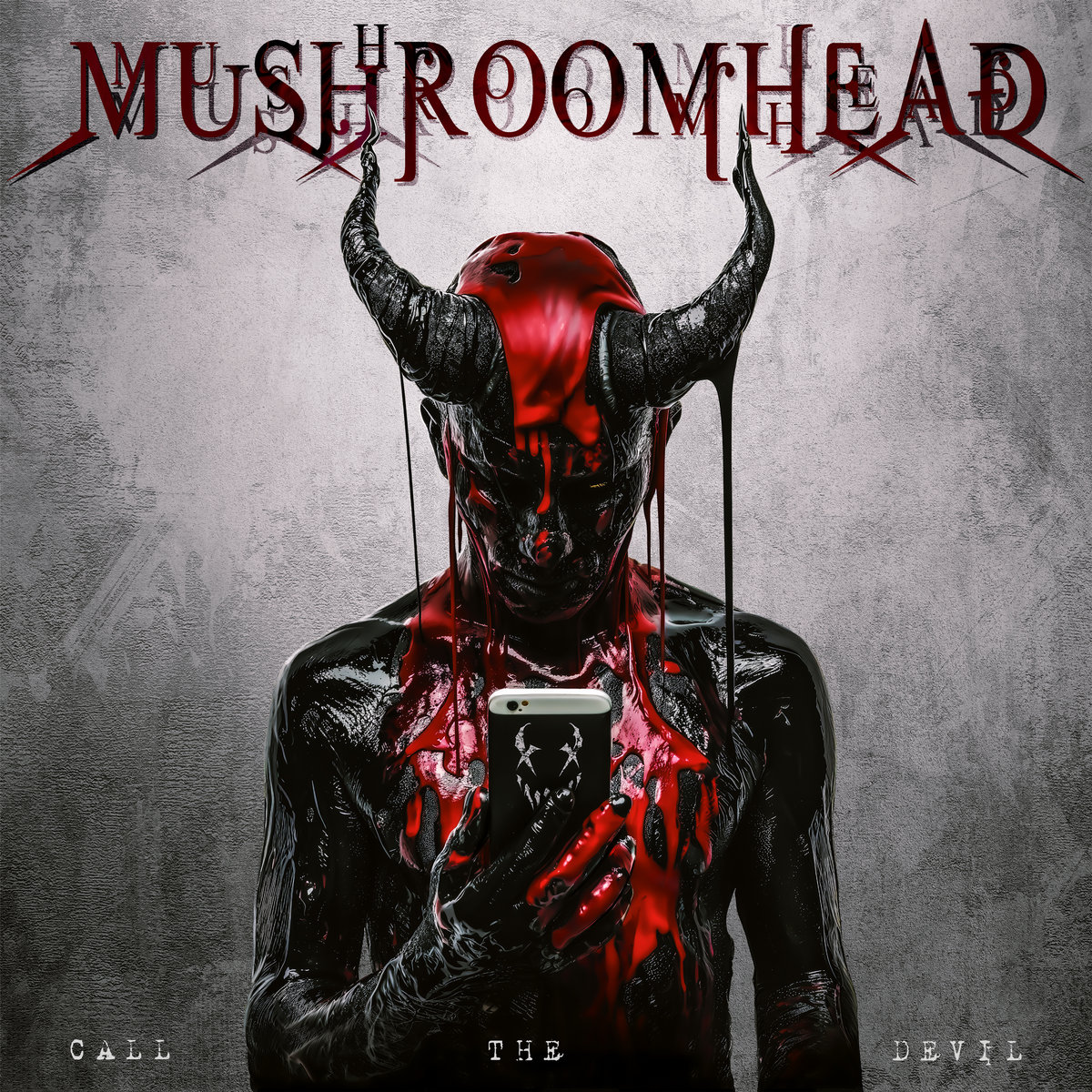
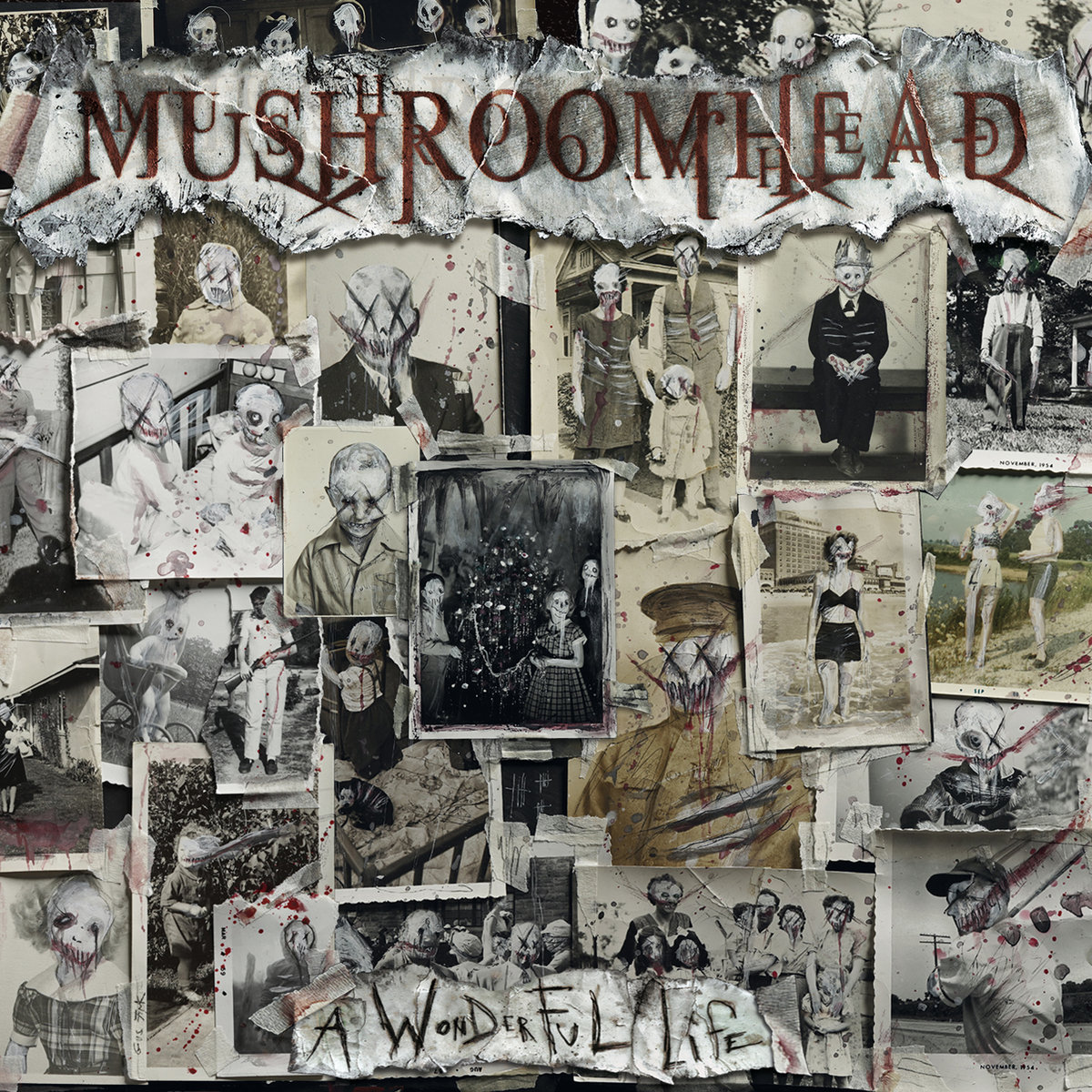
This mainstream crossover potential represents significant opportunities for domestic metal acts who understand both underground credibility and broader cultural appeal. Ohio's diverse metal scene, ranging from industrial innovators like Mushroomhead to extreme death metal practitioners, possesses the stylistic range necessary to capitalize on these crossover moments.
Social Distortion's announcement of their first album in fifteen years, coupled with promises of more timely future releases, signals how American acts are accelerating their creative output to fill gaps left by international touring limitations. This increased domestic activity creates more collaboration opportunities, festival slots, and cross-promotional possibilities for regional scenes.
Studio Innovation and Creative Independence
The current wave of studio completions and creative announcements reveals how American metal acts are maximizing their operational advantages. Motionless in White's recent album completion demonstrates efficient creative processes unencumbered by international logistics or extended visa processing delays.
Ohio's metal bands from ohio can learn crucial lessons from these streamlined approaches to album development and release strategies. While international acts must coordinate complex touring schedules around visa availability, domestic acts can respond rapidly to creative inspiration and market opportunities.
The reunion of equipment with bands like Josey Scott following theft incidents also highlights the importance of regional support networks. When gear gets stolen, local law enforcement and community connections often prove more effective than international insurance claims or bureaucratic processes. Ohio's tight-knit metal community has historically excelled at these mutual support systems.
Festival Circuit and Regional Strength
Festival announcements like the Northwest Hardcore Fest's expanding lineup reveal how regional events are becoming increasingly important as international acts face touring barriers. These festivals rely heavily on domestic talent, creating premium opportunities for American metal acts to reach concentrated audiences without competing against European headliners who might otherwise dominate festival bills.
Ohio's central geographic location provides strategic advantages for festival circuit participation, offering reasonable travel distances to major events throughout the Midwest and East Coast. As international acts become less accessible for American festivals, regional powerhouses can command better performance slots and higher profile billing positions.
The M3 Rock Festival's recent successful events demonstrate how nostalgia-driven lineups can achieve commercial success while supporting both heritage acts and contemporary bands. This model creates opportunities for new metal bands 2026 to share stages with established performers, building credibility through association while developing their own audiences.
Industry Economics and Strategic Thinking
Current industry developments reveal how economic realities are reshaping metal's operational landscape. Equipment theft recovery stories highlight the importance of regional networks and local law enforcement relationships—resources that touring international acts cannot easily access. When Josey Scott's stolen trailer was recovered through local police work, it demonstrated advantages that geographically stable acts possess over constantly traveling international performers.
These economic considerations extend beyond simple cost calculations to encompass creative freedom and artistic control. Domestic acts can make rapid decisions about touring routes, studio time, and collaboration opportunities without navigating international business relationships or regulatory requirements.
For Ohio's metal scene, these industry shifts represent unprecedented opportunities for growth and national recognition. As best metal bands navigate an increasingly complex international landscape, regional authenticity and operational efficiency become competitive advantages rather than geographic limitations.
Future Implications for Regional Scenes
The combination of international touring barriers, domestic creative acceleration, and regional festival growth creates a uniquely favorable environment for American metal scenes. Ohio's established infrastructure of venues, recording studios, and supportive communities positions the state's metal bands to capitalize on these industry shifts.
As legendary international acts like Venom face mounting obstacles to American touring, the opportunity gap widens for regional acts ready to step into larger roles. This transition requires strategic thinking, professional execution, and continued creative development—qualities that Ohio's metal scene has demonstrated consistently.
The current landscape rewards self-sufficiency, regional authenticity, and strategic partnerships over international prestige or major label connections. For metal bands touring 2026, success increasingly depends on understanding and leveraging domestic advantages while building sustainable creative and business practices.
Ohio's metal community stands well-positioned to thrive in this evolving landscape, where visa barriers become competitive advantages and regional strength translates into national opportunities. The question isn't whether international metal will overcome these obstacles, but how quickly domestic scenes will recognize and capitalize on their strategic positioning.