Sobriety Stories and Vocal Health: Metal's Wellness Revolution Drives Personal Recovery and Professional Resilience
The metal community has always been synonymous with excess, but recent developments from prominent musicians reveal a profound shift toward health consciousness and personal recovery. From cancer battles to sobriety milestones, artists across the genre spectrum are demonstrating that longevity and authenticity often require difficult personal transformations.
Health Battles Shape New Perspectives
Jason Newsted's recent victory over throat cancer marks a crucial milestone not just for the former Metallica bassist personally, but for the broader metal community's understanding of vocal health and cancer awareness. Newsted's announcement of receiving his "free and clear" status after battling throat cancer underscores the particular vulnerabilities that metal musicians face, especially those whose careers involve intense vocal performance and extended touring schedules.
The throat cancer diagnosis hits particularly close to home for metal artists, whose vocal cords and respiratory systems endure extreme stress from both performance demands and the lifestyle traditionally associated with heavy music. Newsted's successful treatment and recovery offer hope while highlighting the importance of early detection and professional medical care for touring musicians.
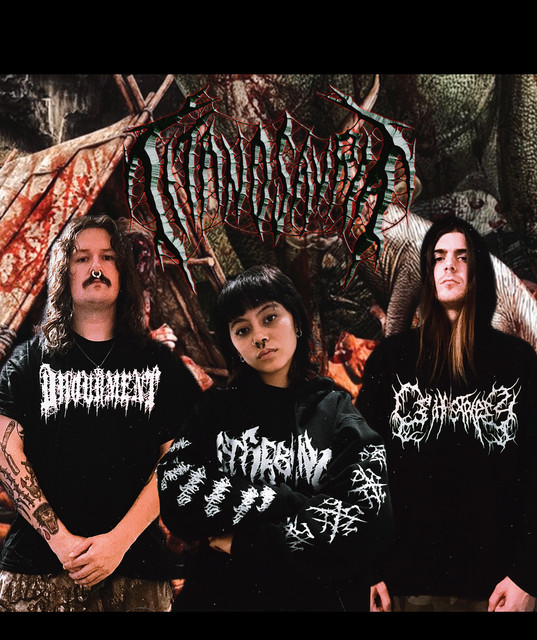
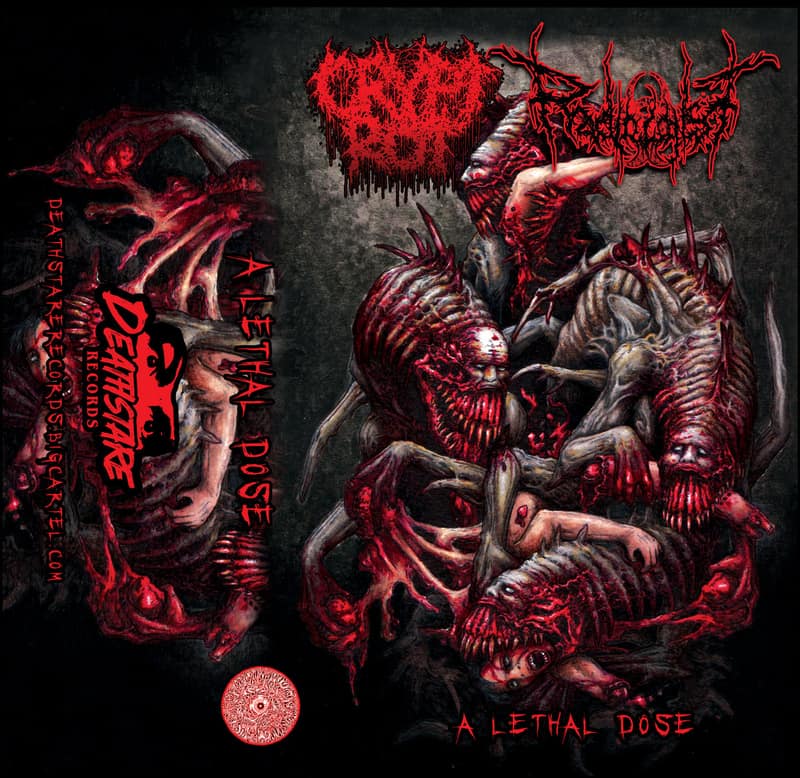
This development resonates deeply within Ohio's metal scene, where vocal health concerns affect artists across all subgenres. Whether it's the death growls required by bands like Crypt Rot and Titanosauria, or the sustained screaming demands of metalcore acts like A Karmic Gray, maintaining vocal health becomes critical for career longevity.
Sobriety Milestones Redefine Metal Culture
Disturbed's John Moyer celebrating one year of sobriety represents another significant shift in metal's cultural landscape. The bassist's public acknowledgment of his sobriety milestone challenges long-standing stereotypes about metal musicians and substance use, while providing inspiration for others in the community facing similar struggles.
Moyer's openness about his sobriety journey reflects a broader cultural evolution within metal, where personal wellness and professional sustainability are increasingly valued over destructive lifestyle choices. This transparency creates space for honest conversations about addiction, recovery, and the support systems necessary for maintaining sobriety while navigating the pressures of professional music careers.
The impact of these conversations extends throughout the Ohio metal scene, where musicians often face the same pressures and temptations that challenge artists at every level. Local venues and promoters are beginning to recognize the importance of supporting sober musicians and creating environments that don't exclusively revolve around alcohol consumption.
Vocal Coaching Revolution Meets Extreme Music
The growing prominence of metal vocal coaching represents a professionalization of extreme vocal techniques that were once learned through trial and error. Professional vocal coaches specializing in metal techniques are now collaborating directly with established artists, bringing scientific understanding to vocal approaches that were previously considered purely instinctual.

This development particularly benefits Ohio's extreme metal community, where proper technique education can mean the difference between a sustainable career and permanent vocal damage. Death metal bands throughout the state are increasingly recognizing that brutal vocal styles require just as much technical precision and health consciousness as traditional singing approaches.
The collaboration between vocal coaches and performing artists also demonstrates the genre's evolution toward greater technical sophistication. What was once dismissed as simply "screaming" is now understood as requiring specific muscle control, breathing techniques, and health maintenance practices.
Re-recording Trends and Artistic Maturity
Atreyu's decision to completely re-record their landmark album "The Curse" signals a fascinating trend toward artistic revisionism in metal. This approach allows mature artists to apply decades of experience and improved production techniques to material that defined their early careers, potentially introducing classic songs to new generations while satisfying long-time fans with enhanced versions.
The re-recording phenomenon raises interesting questions about artistic ownership and evolution. When bands choose to revisit their catalog with modern production values and refined performances, they're essentially creating parallel versions of their musical legacy. This approach could prove particularly valuable for Ohio metal bands with extensive catalogs who want to maintain relevance while honoring their foundational material.
For emerging Ohio metal bands, this trend suggests the importance of viewing early recordings as stepping stones rather than definitive statements. The willingness to revisit and improve upon previous work demonstrates professional growth and commitment to artistic excellence.
Industry Economics and Accessibility
Veteran drummer Carmine Appice's criticism of current concert ticket pricing highlights a fundamental challenge facing metal's future growth. As ticket prices reach increasingly prohibitive levels, the genre risks losing touch with its working-class roots and alienating the very communities that have sustained it for decades.
This pricing crisis particularly affects regional metal scenes like Ohio's, where fans may need to choose between supporting local shows and attending major touring acts. The economic pressure creates opportunities for local and regional bands to provide more accessible alternatives while building stronger community connections.
Ohio's metal scene has always prided itself on accessibility and authenticity, values that become more important as mainstream metal becomes increasingly expensive to experience live. Local venues and promoters who maintain reasonable pricing while supporting quality acts position themselves as essential community resources.
New Releases and Creative Evolution
Motionless In White's completion of their seventh album represents the kind of sustained creative productivity that defines successful metal careers. Their consistent output and evolution demonstrate how established acts can maintain momentum while continuing to develop their sound and expand their audience reach.
The band's creative consistency offers lessons for Ohio metal bands about the importance of regular content creation and artistic development. Sustained success in metal requires not just initial breakthrough moments, but the discipline to continue evolving and producing quality material over extended periods.
Meanwhile, Judas Priest's progress on new material following "Invincible Shield" shows how legendary acts can remain vital and creative well into their careers. Their continued productivity demonstrates that metal's best metal bands often achieve longevity through consistent artistic engagement rather than simply touring on past glories.
Looking Forward: Ohio's Metal Health Revolution
These developments collectively suggest that the Ohio metal scene is participating in a broader cultural shift toward sustainability, health consciousness, and professional development within heavy music. As established artists model healthier approaches to career longevity, emerging bands have unprecedented opportunities to build sustainable creative practices from the beginning.
The emphasis on vocal health, sobriety support, and professional development creates infrastructure that benefits artists across all metal subgenres. Whether it's death metal bands learning proper vocal techniques or touring acts maintaining sobriety on the road, these resources strengthen the entire community.
For Ohio's diverse metal landscape, these trends suggest opportunities for venues, promoters, and music educators to develop specialized programs that support artist wellness while maintaining the genre's creative intensity. The future of metal bands from ohio may well depend on this balance between artistic extremity and personal sustainability.
As the metal community continues evolving beyond its self-destructive stereotypes, Ohio's scene is positioned to lead by example, demonstrating that heavy music's most powerful expressions can emerge from places of health, clarity, and professional dedication rather than chaos and excess.