Album Production Marathons and Melodic Death Milestones: Progressive Patience and Swedish Persistence Define Metal's Long-Term Vision
Progressive metal's most patient architects and melodic death metal's pioneering forces are demonstrating that sustained creative vision trumps rushed releases, with Symphony X's multi-year album development and At The Gates' career-defining chart achievement setting strategic benchmarks for Ohio's diverse metal community.
Progressive Metal's Patient Perfectionism
Symphony X vocalist Russell Allen's recent revelation about the band's extensive album development process offers fascinating insights into how progressive metal's elite approach long-term creative projects. The band has invested years developing material for their upcoming release, with Allen emphasizing their methodical approach to crafting complex compositions that meet their exacting standards.
This dedication to extended development cycles reflects progressive metal's fundamental challenge: balancing technical complexity with emotional resonance. Unlike genres that thrive on immediate energy or raw spontaneity, progressive metal demands architectural precision that can take years to properly construct. Allen's comments suggest the band has accumulated substantial material over their extended writing period, indicating they're prioritizing quality over quick market presence.
For Ohio's progressive metal acts like Strychnine, this approach offers both inspiration and strategic guidance. The patient development model demonstrates how complex musical concepts require adequate gestation time, particularly when bands are pushing technical boundaries or exploring conceptual themes that demand careful integration.
Swedish Melodic Death Metal Achieves Historic Heights
At The Gates' chart-topping success with "The Ghost Of A Future Dead" represents a remarkable milestone for Swedish melodic death metal pioneers. Achieving their first-ever number one album position in Sweden after decades of influential releases demonstrates how sustained artistic integrity can eventually translate into mainstream recognition without compromising core principles.
This achievement carries particular significance given At The Gates' role in establishing the Gothenburg melodic death metal sound that influenced countless bands worldwide. Their ability to reach peak commercial success while maintaining their distinctive approach proves that extreme metal can achieve broad appeal through authentic artistic development rather than stylistic compromise.
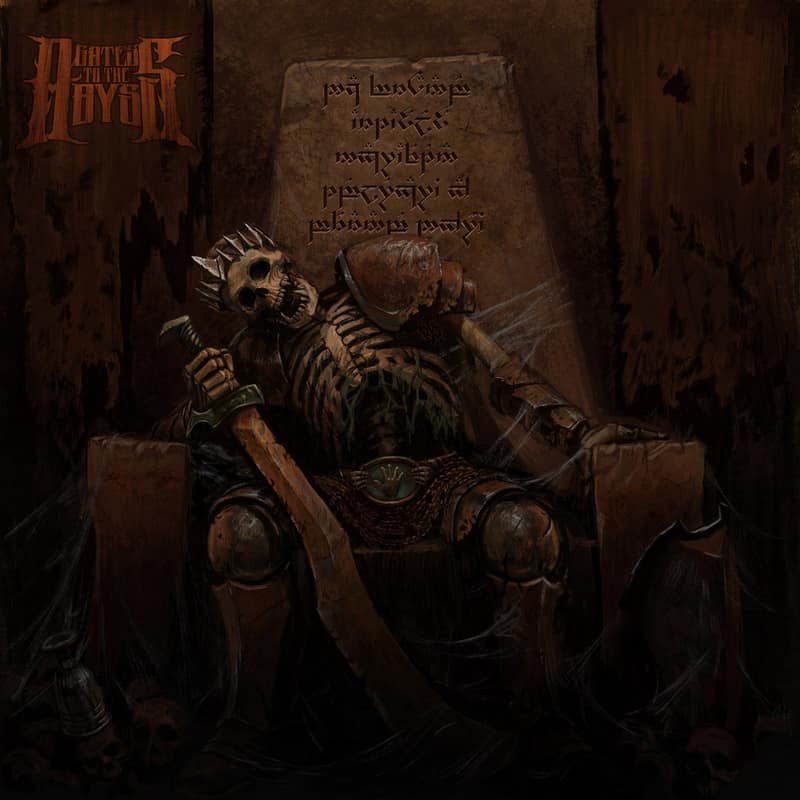
The success also highlights melodic death metal's enduring appeal among both longtime devotees and newer audiences discovering the genre's sophisticated blend of aggression and melody. Ohio's melodic death metal acts like Curse the Gods and Gates to the Abyss can draw strategic lessons from this achievement about building sustained careers that prioritize artistic growth over immediate commercial pressure.
Death Metal Veterans Plan Strategic Returns
Autopsy's announcement of new recording sessions for a 2027 release exemplifies how death metal veterans approach creative longevity. Drummer and vocalist Chris Reifert's emphasis on maintaining authentic Autopsy identity while exploring new creative territories demonstrates the careful balance required for sustained relevance in extreme metal.
The band's methodical approach to new material development mirrors Symphony X's patient perfectionism, though applied to death metal's more immediate and visceral demands. This strategic patience allows veteran acts to maintain their core identity while incorporating natural creative evolution that emerges from decades of musical experience.
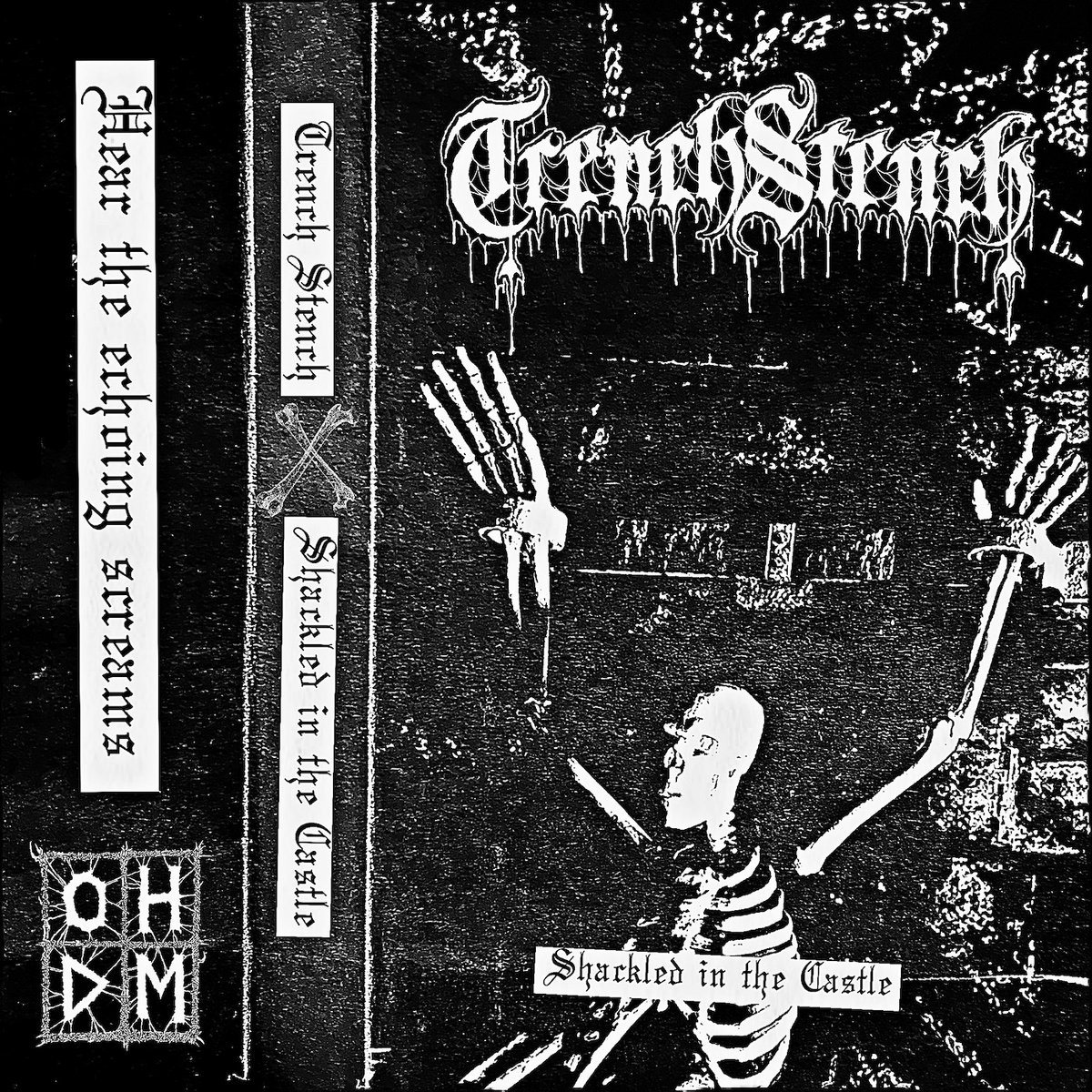
For Ohio's death metal community, including brutal acts like Trench Stench and established groups like Ton, this veteran approach offers valuable perspective on career sustainability. Rather than rushing releases to maintain market presence, the focus shifts toward creating material that genuinely advances the band's artistic legacy.
Horror Metal Narratives and Collaborative Delays
King Diamond's delayed horror trilogy project reveals another aspect of complex metal production, where elaborate conceptual frameworks require extensive coordination between creative partners. Andy La Rocque's comments about waiting for King Diamond's song completion highlight how collaborative metal projects often face unique scheduling challenges that can extend development timelines significantly.
The horror metal approach demands particular attention to narrative consistency and atmospheric development, creating additional layers of complexity beyond standard songwriting processes. These projects often involve intricate storytelling elements that must be carefully integrated with musical compositions, requiring extensive pre-production planning and creative coordination.
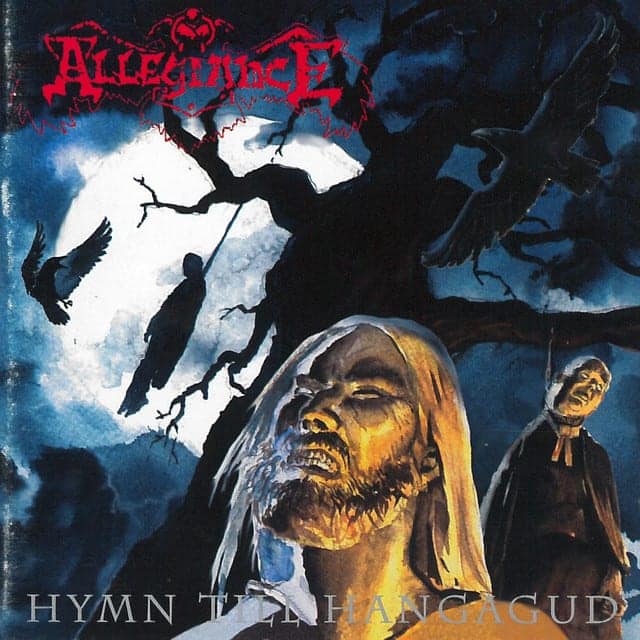
This collaborative complexity offers lessons for Ohio's symphonic and progressive metal acts like Allegiance, where multiple creative voices must be harmoniously integrated to achieve cohesive artistic visions.
Metal Church's Resilient Persistence
Kurdt Vanderhoof's reflection on Metal Church's enduring existence despite attempts to conclude the project demonstrates metal's peculiar relationship with creative mortality. His observation about the band's refusal to die reveals how established metal entities can develop momentum that transcends individual intentions, becoming larger than their founding members' original visions.

This persistence often emerges from deep fan connections and the music's inherent power to sustain itself through audience demand and creative inspiration that extends beyond practical considerations. Metal Church's continued evolution with new lineups and fresh material exemplifies how established acts can reinvent themselves while maintaining core identity.
Strategic Implications for Ohio Metal
These developments collectively emphasize several crucial principles for Ohio metal bands pursuing long-term career sustainability. First, patient creative development often produces superior results compared to rushed release schedules, particularly for complex genres requiring technical precision or conceptual depth.
Second, sustained artistic integrity can eventually achieve commercial recognition without stylistic compromise, as demonstrated by At The Gates' chart success after decades of consistent creative development. This suggests Ohio's metal bands from Ohio should prioritize authentic artistic growth over immediate market trends.
Third, veteran approaches to creative longevity emphasize maintaining core identity while allowing natural evolution, providing strategic models for bands seeking sustained relevance across changing musical landscapes.
The current metal landscape rewards both immediate impact and extended creative vision, with successful acts demonstrating various approaches to balancing artistic ambitions with practical career considerations. Ohio's diverse metal community can draw from these examples to develop individualized strategies that align with their specific creative goals and audience relationships.
Whether pursuing the patient perfectionism exemplified by Symphony X, the sustained integrity demonstrated by At The Gates, or the resilient persistence shown by Metal Church, Ohio's metal scene benefits from understanding how established acts navigate the complex relationships between artistic vision, commercial viability, and long-term creative sustainability.