Collaborative Metal and Progressive Horizons: Studio Supergroups Signal Ohio's Cross-Genre Evolution
The contemporary metal landscape is witnessing an unprecedented surge of collaborative projects and genre-crossing experimentation, with developments that resonate deeply throughout Ohio's diverse heavy music community. From soundtrack composers assembling metal supergroups to progressive metal masters teasing long-awaited returns, the industry's current trajectory offers fascinating insights into how collaboration and patient craftsmanship can reshape artistic boundaries.
Star-Studded Studio Projects Redefine Metal Collaboration
Bear McCreary's forthcoming album represents a masterclass in strategic collaboration, bringing together an impressive roster that reads like a who's who of modern metal. The soundtrack composer's decision to unite Slash, Corey Taylor, Serj Tankian, Joe Duplantier, and Tim Henson for a single project demonstrates how creative vision can transcend traditional band structures and genre limitations. This approach to music-making—where established artists contribute their unique strengths to a unified artistic vision—offers compelling lessons for metal bands from Ohio looking to expand their creative horizons.
The success of such collaborative efforts isn't just about star power; it's about understanding how different musical perspectives can enhance rather than compete with each other. McCreary's background in cinematic composition provides the perfect framework for allowing each artist's distinct voice to contribute to a larger narrative. This methodology could prove particularly valuable for Ohio's progressive and experimental acts seeking to push beyond conventional songwriting approaches.
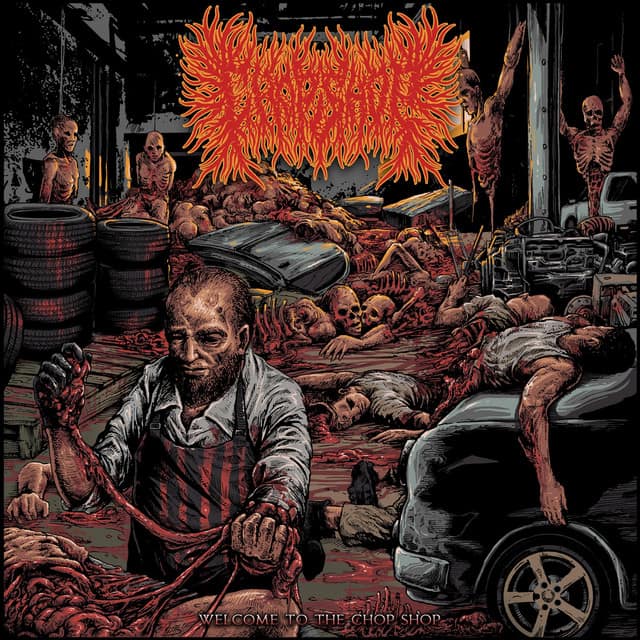
For Ohio's diverse metal scene, which spans from the brutal death metal of Anatomize to the progressive complexities of acts in the region's underground, these collaborative models suggest new pathways for artistic growth. The state's metal community has always shown a willingness to experiment across genre boundaries, making it fertile ground for similar cross-pollination projects.
Progressive Metal's Patient Craftsmanship Approach
Symphony X's methodical approach to their follow-up to 2015's "Underworld" exemplifies the kind of patient craftsmanship that separates great progressive metal from mere technical display. Russell Allen's confirmation that the band has accumulated substantial material while maintaining their commitment to quality over speed reflects a professional approach that Ohio's progressive metal acts would do well to emulate.
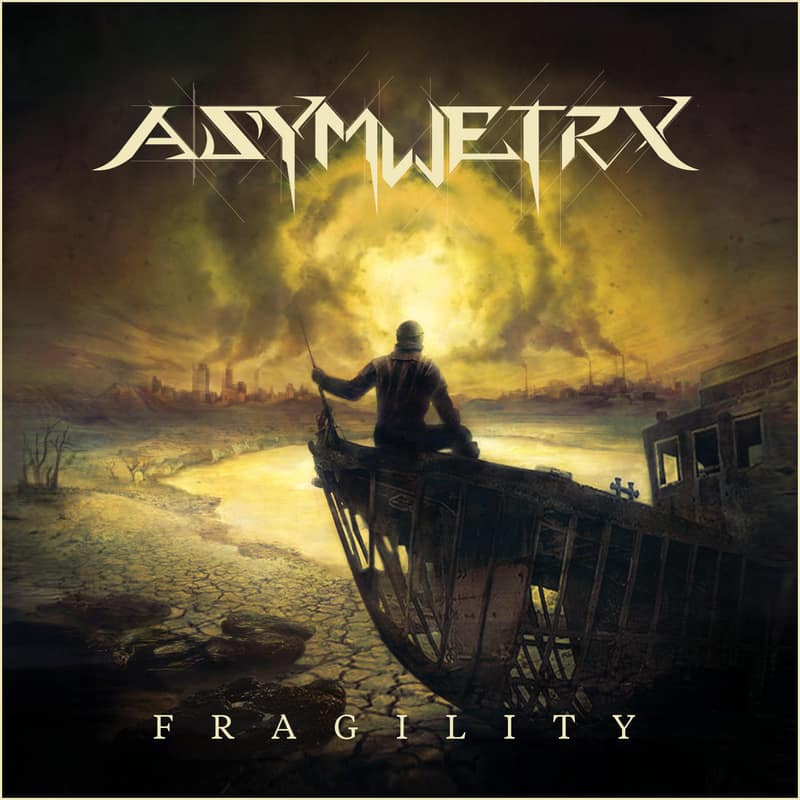
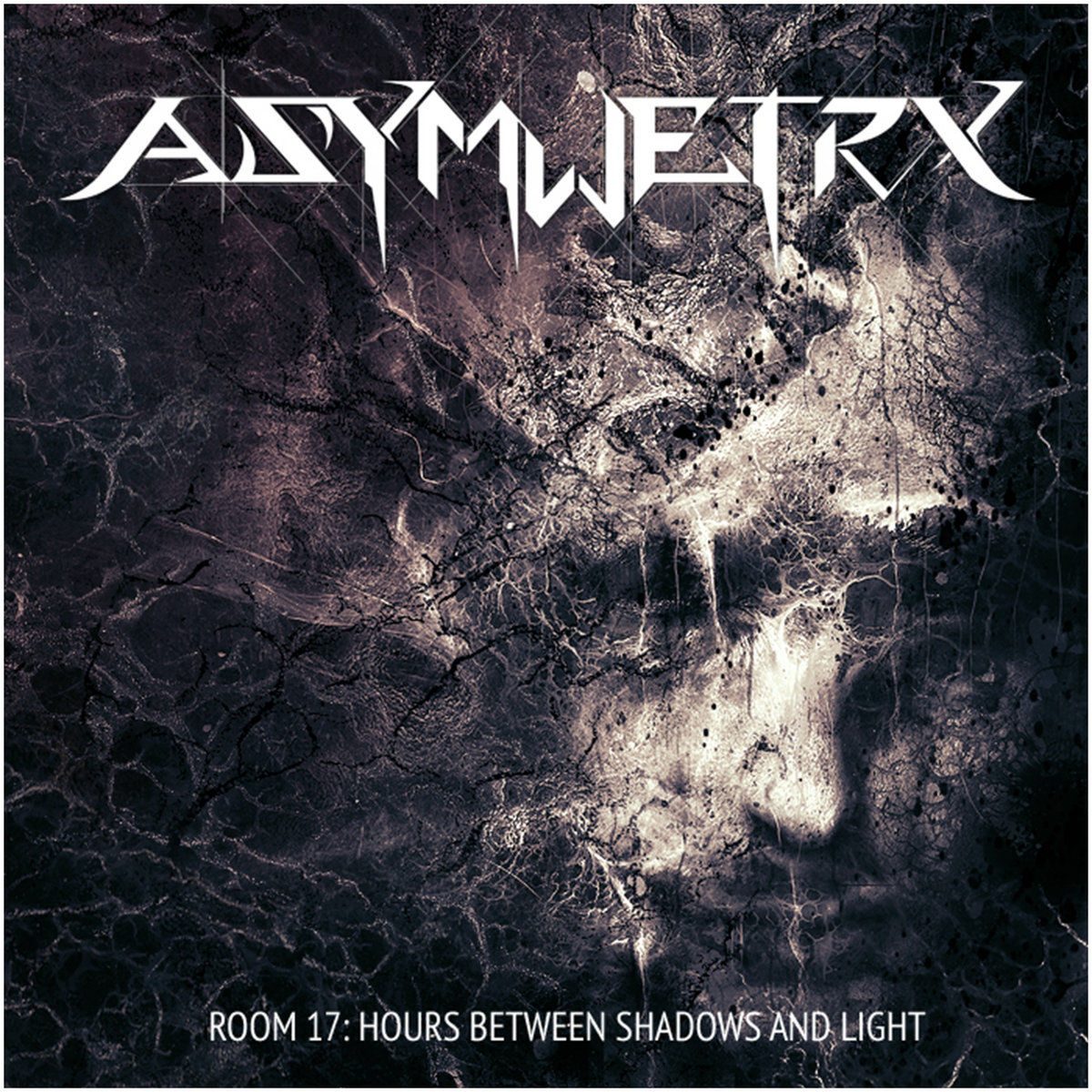
The nearly decade-long gap between Symphony X releases isn't a sign of creative stagnation—it's evidence of a band that understands the value of allowing complex musical ideas to fully develop. This approach stands in stark contrast to the rapid-fire release schedules that social media algorithms often seem to demand. For progressive metal practitioners like Asymmetry and other technically-minded Ohio bands, Symphony X's patience demonstrates how quality control can ultimately serve both artistic integrity and long-term career sustainability.
The progressive metal genre's emphasis on technical proficiency and compositional complexity requires time for proper development. Allen's comments about the "amount of material" accumulated suggest a band working through numerous creative iterations, refining ideas until they meet their exacting standards. This process-oriented approach offers valuable insights for any Ohio metal band struggling to balance creative ambition with commercial pressures.
Industrial Remixes and Genre Revival Strategies
Powerman 5000's collaboration with Die Krupps for a remix of "When Worlds Collide" represents another fascinating approach to cross-genre experimentation. The decision to bring industrial music pioneers into contact with late-90s nu-metal demonstrates how historical connections between genres can be revitalized for contemporary audiences. This kind of strategic genre-blending acknowledges metal's diverse influences while creating new contexts for classic material.
The timing of this remix, coinciding with "The Noble Rot" reissue, shows sophisticated understanding of how anniversary releases can serve as platforms for creative experimentation rather than simple nostalgia cash-grabs. By involving Die Krupps, Powerman 5000 acknowledges the industrial foundations that influenced their original sound while creating something genuinely new for current listeners.
For Ohio's metal scene, this approach to revival and reinterpretation offers strategic insights. The state's metal history includes numerous bands that could benefit from similar collaborative recontextualization. Whether through remix projects, guest collaborations, or cross-genre experiments, Ohio's established acts could find new audiences while honoring their existing legacies.
Solo Projects and Creative Independence
The surge of solo projects from established metal vocalists reflects another significant trend reshaping the heavy music landscape. ZP Theart's "Electric Beings" and Erik Grönwall's "Praying For A Miracle" demonstrate how former band members are using solo careers to explore creative directions that might not fit within their previous group contexts. These projects represent artistic freedom that comes from creative independence, allowing established performers to connect with audiences on more personal terms.
Theart's transition from DragonForce's fantasy-themed power metal to more personal solo material shows how creative independence can facilitate artistic growth. Similarly, Grönwall's deeply personal approach with "Praying For A Miracle" demonstrates how solo projects can address themes and musical approaches that might not suit band contexts. These examples offer important lessons for Ohio metal musicians considering their own creative trajectories.
The success of these solo ventures also highlights changing industry dynamics where individual artists can maintain direct relationships with their audiences without traditional band structures. For Ohio's metal community, this trend suggests new possibilities for creative expression and career sustainability, particularly for vocalists and multi-instrumentalists seeking artistic independence.
Supergroup Formation and Legacy Projects
Kings of Thrash's recruitment of Steve "Zetro" Souza for "Bullets Ready" demonstrates how strategic supergroup formation can unite multiple generations of metal expertise. The combination of former Megadeth members David Ellefson and Jeff Young with Exodus vocalist Souza creates a thrash metal pedigree that few projects could match, while simultaneously offering creative outlets for established musicians between their primary band commitments.
This approach to supergroup formation—bringing together complementary skills from different legendary acts—offers a template that could work well within Ohio's metal community. The state's scene includes numerous veteran musicians whose combined expertise could create compelling collaborative projects. Such ventures could provide creative stimulation while introducing younger audiences to the breadth of talent within Ohio's metal history.
Strategic Implications for Ohio's Scene
These developments collectively suggest that the most successful contemporary metal acts are those willing to experiment with collaboration, maintain high creative standards regardless of timeline pressures, and explore cross-genre possibilities. For Ohio's metal scene, which already demonstrates impressive diversity across subgenres, these trends offer multiple pathways for artistic and professional growth.
The emphasis on collaboration over competition, quality over speed, and creative exploration over genre orthodoxy aligns well with Ohio's metal community's demonstrated willingness to support diverse artistic approaches. As the national metal scene continues evolving toward more collaborative and experimental models, Ohio's bands are well-positioned to contribute meaningfully to these developments.
Whether through cross-genre collaborations, patient progressive compositions, or strategic supergroup formations, the current metal landscape rewards artistic vision and professional craftsmanship over quick commercial gains. Ohio's metal scene, with its rich history of creative innovation across multiple subgenres, is perfectly positioned to embrace these collaborative and experimental approaches while maintaining the authentic heavy music values that have always defined the region's sound.