Alternative Metal Accountability and Crossover Thrash Revivals: Ohio's Genre-Blending Scene Confronts Professional Standards
The alternative metal landscape faces a reckoning as questions of accountability collide with genre revival trends, creating ripple effects that Ohio's diverse heavy music community can't ignore. While national acts navigate controversy and veterans explore crossover territories, the Buckeye State's metal scene finds itself at a crossroads between commercial growth and community standards.
Bilmuri's Swift Return Raises Community Questions
Ohio's own Bilmuri has thrust the state's alternative metal scene into an uncomfortable spotlight. The band's decision to quickly reinstate Reese Maslen after his brief departure over abuse allegations has sent shockwaves through a community that prides itself on authenticity and accountability. This development highlights the complex dynamics facing new metal bands in 2026, where social media scrutiny and community expectations create unprecedented pressure points for emerging acts.
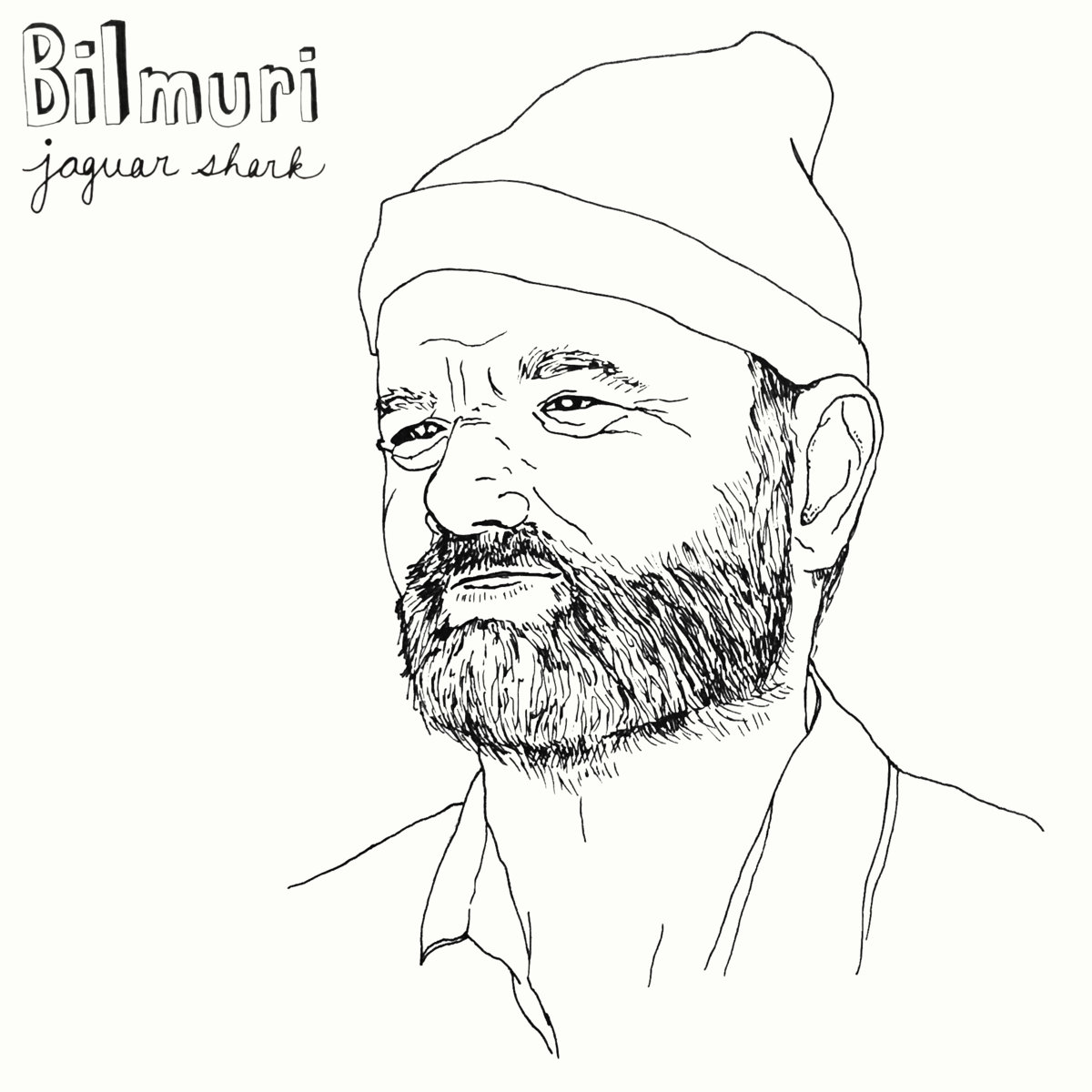
The situation underscores broader questions about how the Ohio metal scene handles internal conflicts. Unlike the established protocols of legacy acts, younger alternative metal bands often lack the institutional support systems needed to navigate serious allegations professionally. For Bilmuri's peers across Ohio's djent and alternative metal underground, this controversy serves as a stark reminder that success brings increased scrutiny.
Bush's Intimate Reinvention Strategy
Meanwhile, grunge-metal veterans Bush demonstrate how established acts can reinvent their classics for modern audiences. Their intimate reinterpretation of "Swallowed" for its 30th anniversary showcases strategic thinking that Ohio metal bands would be wise to study. Rather than simply remastering old material, Bush created something genuinely fresh while honoring the original's emotional impact.
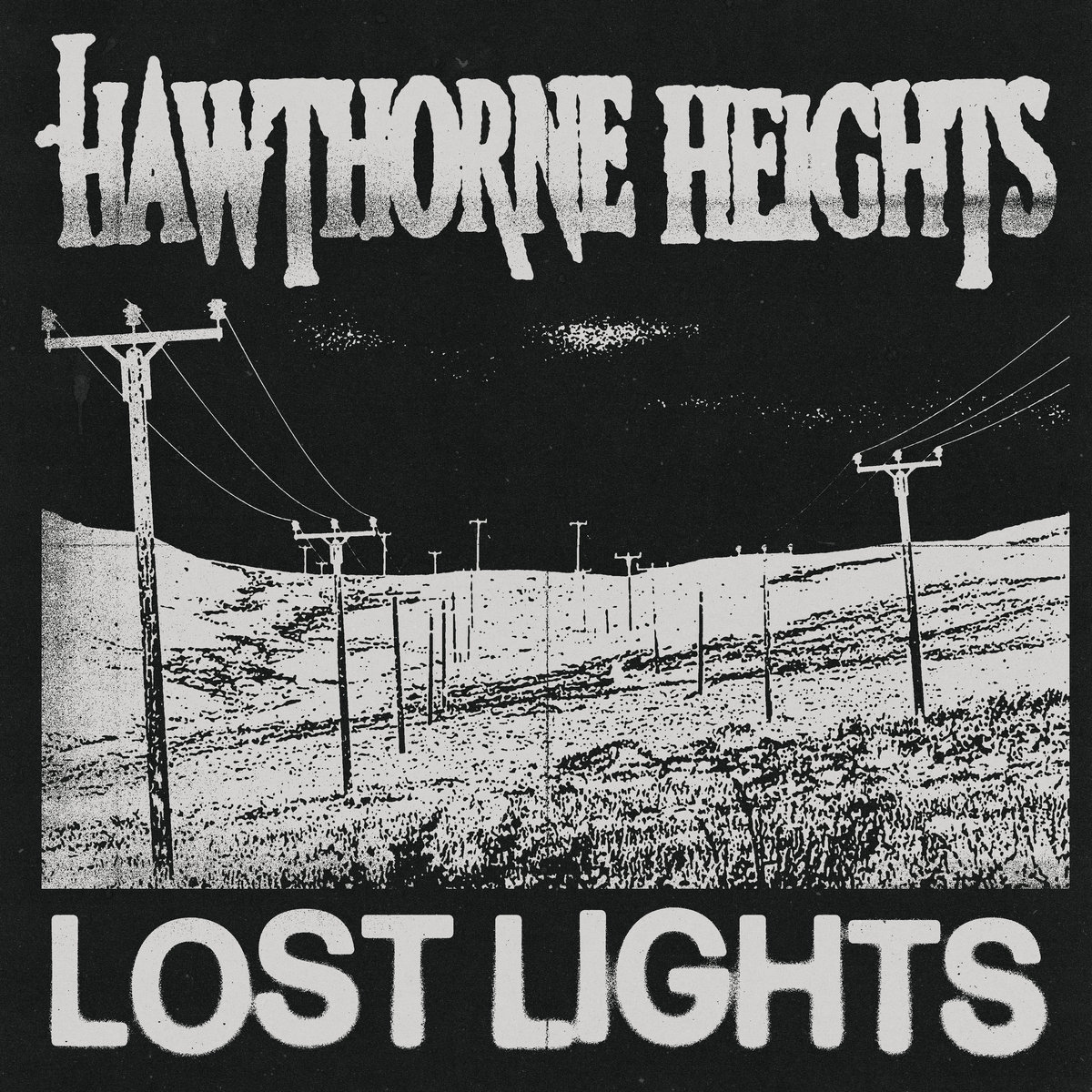
This approach resonates particularly well with Ohio's alternative metal acts, who often struggle to balance nostalgia with innovation. The stripped-down reinvention model offers a blueprint for bands like Hawthorne Heights and other Ohio veterans looking to reconnect with core audiences while attracting new listeners.
Crossover Thrash Gets Professional Validation
The announcement that Emil Werstler, formerly of Cleveland's Chimaira, will fill in on guitar duties for All That Remains' spring tour represents a significant moment for Ohio's thrash metal legacy. Werstler's involvement with a major touring package validates the technical prowess that has long defined Ohio metal bands, while demonstrating how regional talent continues to influence national acts.
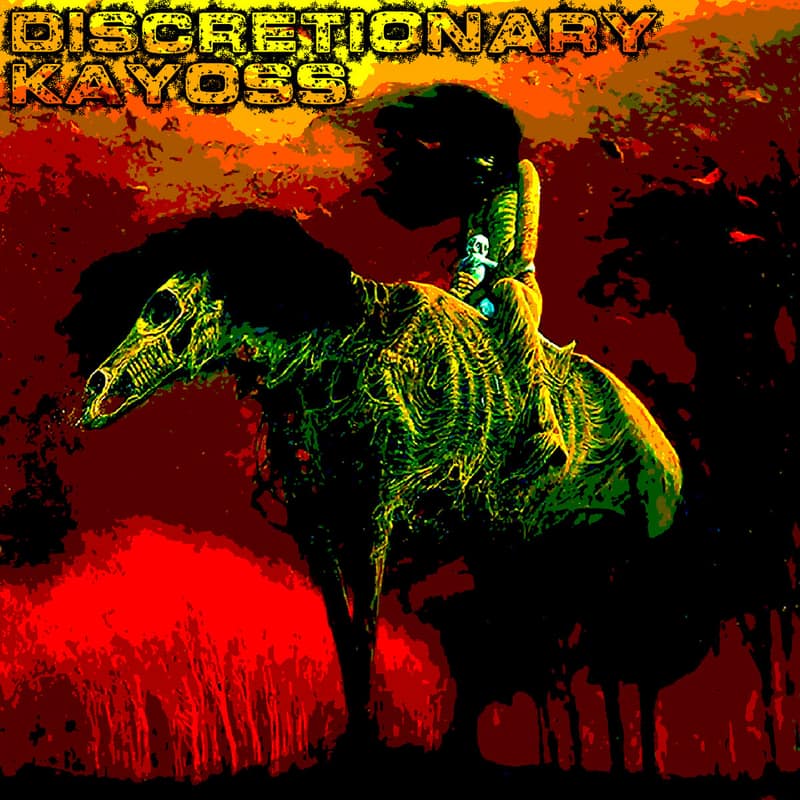
This development is particularly significant for Ohio's crossover thrash scene, which has historically operated in the shadows of the state's more prominent death and doom metal communities. Bands like Discretionary Kayoss and other crossover acts can draw inspiration from seeing Ohio musicians commanding respect on major touring circuits.
The connection also highlights how the best metal bands of all time often emerge from cross-pollination between regional scenes. Werstler's career trajectory from Dååth to Chimaira to national touring demonstrates the professional pathways available to Ohio's most dedicated musicians.
Industrial Revival Signals Genre Flexibility
Die Krupps' remix of Powerman 5000's "When Worlds Collide" represents another fascinating development for genre-blending metal acts. The industrial-metal crossover demonstrates how veteran acts are exploring new collaborative territories, suggesting opportunities for Ohio's more experimental bands to find unexpected partnership possibilities.
For Ohio's industrial-leaning acts, this kind of high-profile remix work represents a potential revenue stream and creative outlet that goes beyond traditional album cycles. The collaboration model offers particularly relevant lessons for bands operating in the state's more niche subgenres, where direct touring opportunities may be limited but creative partnerships could provide broader exposure.
Zao's Covers Project Builds Anticipation
The announcement of veteran metalcore act Zao's upcoming covers EP "Pillars" scheduled for June release adds another layer to the current landscape of strategic releases. While not an Ohio band, Zao's approach to building anticipation through carefully curated cover selections offers valuable insights for metal bands touring 2026 who need to maintain momentum between full-length releases.
The covers EP strategy has particular relevance for Ohio's established acts looking to stay visible without the pressure of creating entirely new material. This approach allows bands to showcase their influences while potentially reaching audiences who might not otherwise discover their original compositions.
Bruce Dickinson's Live Recording Philosophy
Iron Maiden vocalist Bruce Dickinson's revelation about recording 16 tracks live in just 21 days provides crucial lessons for Ohio's metal scene about maintaining authenticity in an increasingly digital production landscape. His commitment to live recording stands in stark contrast to the over-produced approach that has dominated much of modern metal.
This philosophy resonates strongly with Ohio's doom and sludge metal communities, where authenticity and raw power often matter more than technical perfection. Bands across the state's underground scene could benefit from Dickinson's example of prioritizing performance energy over endless studio tweaking.
Regional Scene Implications
These developments collectively point toward a metal landscape where accountability, authenticity, and professional collaboration are becoming increasingly important. For Ohio metal bands, the message is clear: success requires not just musical talent but also ethical conduct and strategic thinking about career development.
The contrast between Bilmuri's controversy and the professional approaches demonstrated by veterans like Bush and Bruce Dickinson offers Ohio's metal community a clear choice between reactive crisis management and proactive professional development. As the state's scene continues to gain national attention, these lessons become increasingly crucial for sustainable growth.
The involvement of Ohio musicians like Emil Werstler in major touring packages also demonstrates the state's continuing influence on national metal trends. For emerging bands across Ohio's diverse subgenres, these connections provide both inspiration and practical networking opportunities that could prove career-defining.
As 2026 progresses, Ohio's metal scene finds itself uniquely positioned to lead discussions about accountability and professionalism in heavy music. The state's combination of veteran wisdom and emerging talent creates an environment where these crucial conversations can happen productively, potentially setting standards that influence the broader metal community for years to come.