Cross-Genre Collaborations and Legacy Connections: Outlaw Country's Metal Ties Reshape Ohio's Creative Boundaries
The recent passing of outlaw country legend David Allan Coe has sent ripples through metal circles, particularly for those who remember his surprising collaborations with Pantera during the band's most influential period. While Coe's primary legacy remains rooted in country music's rebellious fringe, his willingness to cross genre boundaries offers compelling lessons for Ohio's increasingly diverse metal scene, where rigid stylistic divisions continue to dissolve.
Coe's collaboration with Pantera exemplified how seemingly disparate musical worlds can intersect through shared attitudes of rebellion and authenticity. This cross-pollination model has become increasingly relevant as Ohio metal bands explore creative territories that would have seemed impossible just a decade ago. The state's metal scene has witnessed similar boundary-breaking approaches, from atmospheric black metal incorporating folk elements to death metal bands experimenting with progressive structures.
Legacy Acts and Next-Generation Innovation
The announcement that Phil Campbell's sons will honor their late father with a European tour supporting Judas Priest demonstrates how metal's generational transition often creates unexpected creative opportunities. This father-to-son musical inheritance model resonates particularly strongly within Ohio's metal community, where several established acts have spawned related projects or influenced younger musicians who've carried forward their creative DNA.
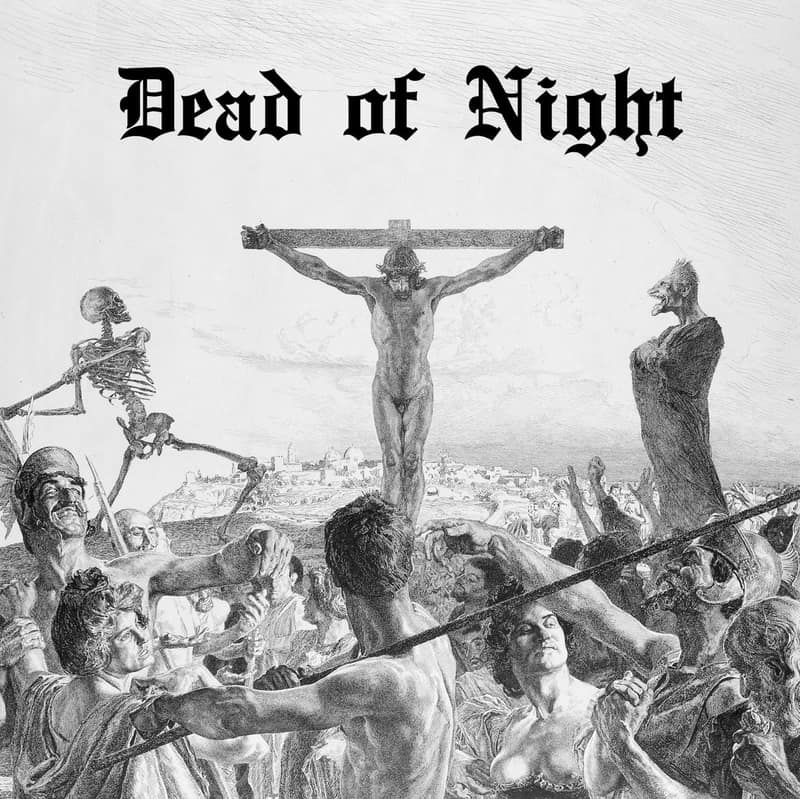
Similarly, the collaboration between Kiss members' sons in Stanley Simmons represents how metal's legacy connections can generate entirely new artistic directions. Their upcoming album "Dancing While The World Is Ending" suggests a willingness to address contemporary themes while maintaining connections to their fathers' hard rock foundation. This generational bridging offers valuable insights for Dead of Night and other Ohio bands navigating the balance between honoring influences and establishing distinct creative identities.
Technical Innovation and Distribution Challenges
The controversy surrounding Zao's battle with TuneCore over AI-generated music accusations highlights a growing concern for metal bands navigating digital distribution platforms. When established acts face algorithmic discrimination that questions their artistic authenticity, it reveals systemic problems that could severely impact emerging artists. Ohio's metal bands must understand these distribution challenges as they develop release strategies for 2026 and beyond.
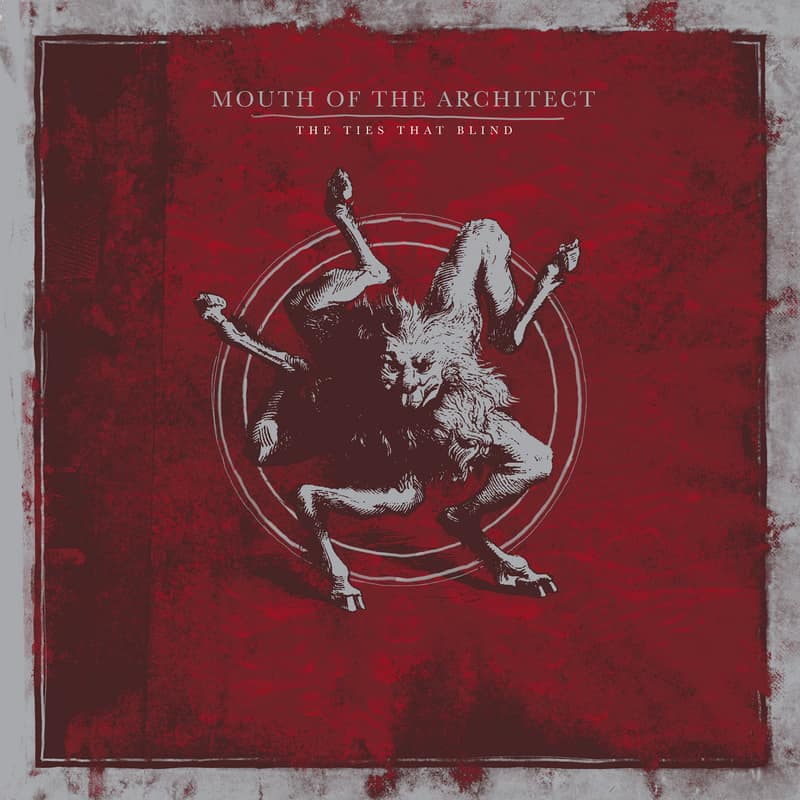
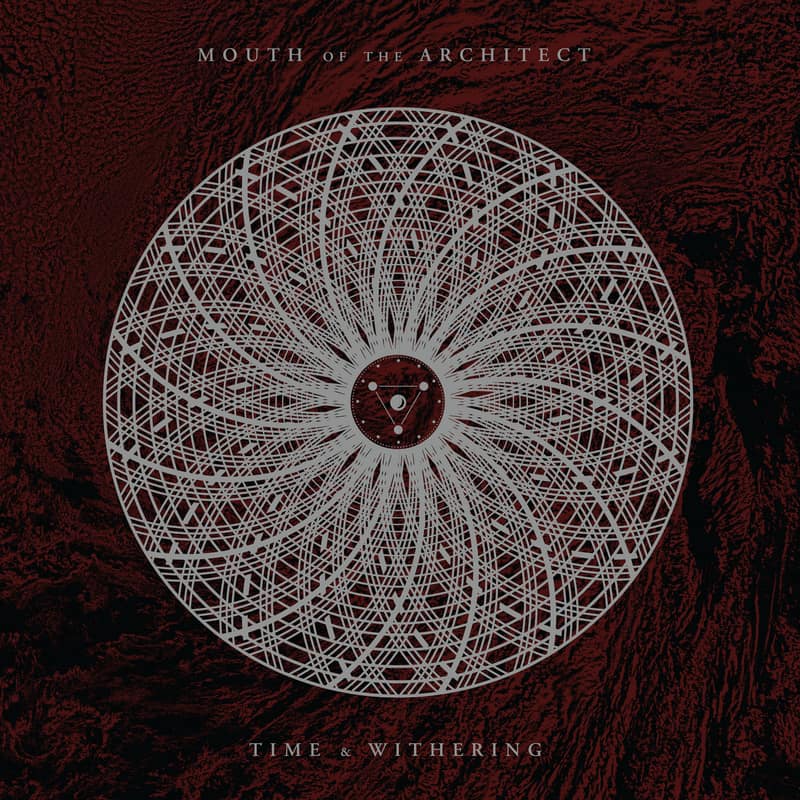
This technological friction becomes particularly problematic for experimental acts pushing creative boundaries. When algorithms can't distinguish between innovative human creativity and artificial generation, it threatens the most adventurous artists who are already operating on the margins of commercial viability. Ohio's post-metal and experimental acts like Mouth of the Architect need robust strategies for protecting their work from similar algorithmic discrimination.
Mathcore and Extreme Subgenre Development
The early streaming release of Detach the Islands' "Concrete Jungle" EP showcases how mathcore and powerviolence continue evolving through strategic content release timing. This approach to building anticipation while maintaining underground credibility offers valuable lessons for Ohio's extreme metal acts developing their own release strategies.
Mathcore's technical complexity and emotional intensity have found growing appreciation among Ohio metal fans, particularly those seeking alternatives to more commercial extreme metal approaches. The genre's combination of mathematical precision and chaotic energy creates unique challenges for live performance and recording, requiring dedication levels that separate truly committed acts from casual experimenters.
Symphonic Metal's Commercial Evolution
Bear McCreary's ambitious symphonic metal project featuring members of Guns N' Roses, Gojira, and Meshuggah demonstrates how established composers are leveraging metal's emotional power for complex artistic statements. "The Singularity: Ekleipsis" represents sophisticated cross-genre collaboration that elevates metal's artistic credibility while maintaining its core intensity.
This symphonic approach has particular relevance for Ohio's power metal and progressive metal scenes, where technical proficiency and compositional ambition often intersect. The collaboration model McCreary employs—bringing together established artists for focused creative projects—offers strategic insights for Ohio bands seeking to expand their creative networks and artistic scope.
Award Recognition and Regional Pride
Ghost's recognition at the Swedish Grammis awards for "Best Hard Rock/Metal" with their track "Skeletá" underscores how theatrical metal continues gaining mainstream recognition without sacrificing its core appeal. This success demonstrates that innovative approaches to traditional metal frameworks can achieve both critical acclaim and commercial viability.
The Swedish metal scene's institutional support through awards programs offers interesting comparisons to Ohio's developing recognition systems. While the state lacks equivalent formal recognition structures, the growing attention paid to bands like Ohio's own death metal acts suggests increasing appreciation for the region's contributions to extreme music.
Post-Hardcore's Visual Storytelling
Roman Candle's new music video for "How To Be Considered When You're Not In The Room" exemplifies how post-hardcore acts are using visual media to enhance their emotional impact. The melodic post-hardcore approach combines accessibility with artistic depth, creating opportunities for broader audience connection while maintaining creative integrity.
This visual storytelling approach has growing relevance for Ohio's diverse metal scene, where bands increasingly recognize video content's importance for building audience engagement. The combination of melodic accessibility and emotional depth that characterizes successful post-hardcore offers strategic lessons for Ohio bands seeking to expand their reach without compromising their artistic vision.
Equipment theft concerns, highlighted by Korn bassist Ra Diaz's recent experience losing 15 bass guitars, remind all touring musicians of the practical security challenges facing professional acts. Ohio's metal bands must balance accessibility with security as they develop their touring strategies and equipment management approaches.
Looking Forward: Ohio's Creative Opportunities
These developments collectively suggest that 2026 will reward metal acts willing to embrace creative collaboration while maintaining their core artistic integrity. Ohio's metal scene is particularly well-positioned to capitalize on these trends, given the state's diverse musical heritage and growing reputation for producing innovative extreme metal acts.
The most successful approaches combine respect for metal's foundational elements with willingness to explore unexpected creative territories. Whether through cross-genre collaboration, generational artistic inheritance, or innovative distribution strategies, Ohio's metal bands have numerous opportunities to contribute meaningfully to metal's continuing evolution while building sustainable creative careers.
The lessons from outlaw country's rebellious spirit, legacy acts' generational wisdom, and technical innovation's creative possibilities all point toward a metal scene that rewards authenticity, artistic ambition, and strategic thinking about audience development and creative collaboration.