Horror Punk Revival and AI Distribution Battles: Digital Age Transforms Metal's Creative Authentication
Horror punk icon Wednesday 13's massive 'Shocktober Blood' tour announcement for 2026 arrives at a fascinating intersection with pioneering metalcore act Zao's struggle against false AI detection flags, revealing how digital age authentication challenges are reshaping the creative and commercial landscape for metal's most theatrical and underground acts alike.
Horror Punk's Commercial Renaissance
Wednesday 13's 31-date fall 2026 tour represents a significant investment in horror punk's growing commercial viability. The former Murderdolls frontman's ability to command extensive touring schedules demonstrates how theatrical metal subgenres are finding sustainable business models beyond their traditional underground confines. This theatrical approach to heavy music has deep roots in Ohio's diverse metal landscape, where bands understand the importance of visual presentation and conceptual storytelling.
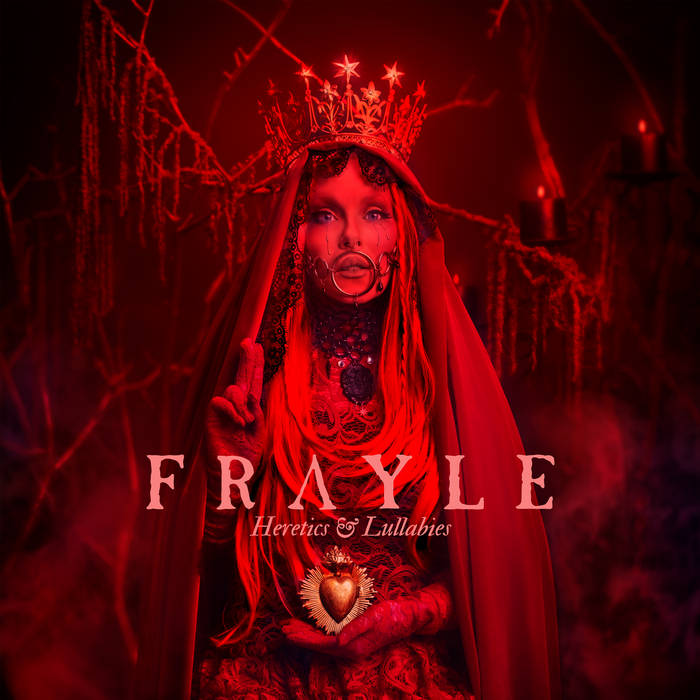
The horror punk revival offers strategic lessons for metal bands from ohio who incorporate theatrical elements into their performances. Ohio's gothic and industrial metal acts, including Frayle with their doom-laden gothic approach, understand how atmospheric presentation can elevate heavy music beyond pure sonic assault. The success of Wednesday 13's touring model suggests that theatrical metal acts can achieve commercial sustainability through consistent touring and strong visual branding.
Digital Distribution Crisis Hits Underground Veterans
Zao's recent battle with false AI detection flags represents a critical threat to underground metal's digital distribution infrastructure. The pioneering metalcore act encountered significant issues getting digital distribution after being incorrectly flagged for using generative AI, highlighting how algorithmic content detection systems are creating new barriers for authentic underground music creation.
This digital authentication crisis particularly impacts bands who have spent decades developing unique sounds that might confuse automated detection systems. Zao's situation reveals how new metal bands 2026 and established underground acts alike must navigate increasingly complex digital gatekeeping mechanisms that weren't designed to understand metal's diverse creative approaches.
The band's teased June release date for their next effort suggests they've successfully resolved these distribution challenges, but the broader implications for underground metal remain concerning. Ohio's metal scene, with its strong DIY ethics and innovative production techniques, could face similar algorithmic discrimination as these detection systems become more widespread across digital platforms.
Touring Economics and Strategic Partnerships
The announcement of Red Fang and The Sword's West Coast tour collaboration demonstrates how strategic partnerships are becoming essential for sustainable heavy music touring. This co-headlining approach allows both stoner metal acts to share costs while providing fans with compelling value propositions that justify ticket prices in an increasingly expensive live music market.
These touring economics offer crucial lessons for Ohio's stoner and doom metal communities. Bands like Akashic Haze and others in the state's thriving stoner metal scene can learn from these strategic partnerships about how regional tours can be structured to maximize both financial sustainability and fan experience.
Remix Culture and Creative Recontextualization
Architects' release of remixed versions of "Broken Mirror" and "Everything Ends" represents a sophisticated approach to extending album cycles and maintaining fan engagement between major releases. The British metalcore giants' decision to have co-founder and drummer Daniel J create luminous reworks of chart-topping tracks demonstrates how established acts are using remix culture to explore different sonic territories while leveraging existing popular material.
This creative recontextualization strategy offers insights for Ohio's metalcore and progressive metal acts about how to maximize the commercial and artistic potential of their catalog. The approach allows bands to experiment with different production techniques and sonic approaches without the pressure of creating entirely new material, while giving fans fresh perspectives on familiar songs.
Legacy Act Celebrations and Punk's Enduring Influence
The Damned's "Final Damnation 50" U.K. tour celebration of their fifty-year career trajectory demonstrates how punk's foundational acts continue to find commercial and artistic relevance. Their triumphant Wembley Arena show and planned global run including prestigious venues like the Sydney Opera House reveals how punk's rebellious energy translates into lasting cultural significance.
This anniversary celebration approach provides strategic insights for Ohio's punk and hardcore scenes. Established acts like Ringworm, who have built decades-long careers mixing hardcore, metalcore, and thrash metal, can learn from The Damned's ability to leverage historical significance into contemporary touring opportunities.
Cross-Genre Collaboration and Artistic Evolution
The musical collaboration developments, including Reba Meyers' work with Danny Elfman alongside Nine Inch Nails members, demonstrate how metal musicians are increasingly finding opportunities in cross-genre projects. These collaborations allow artists to explore different creative territories while building professional networks that extend beyond traditional metal industry boundaries.
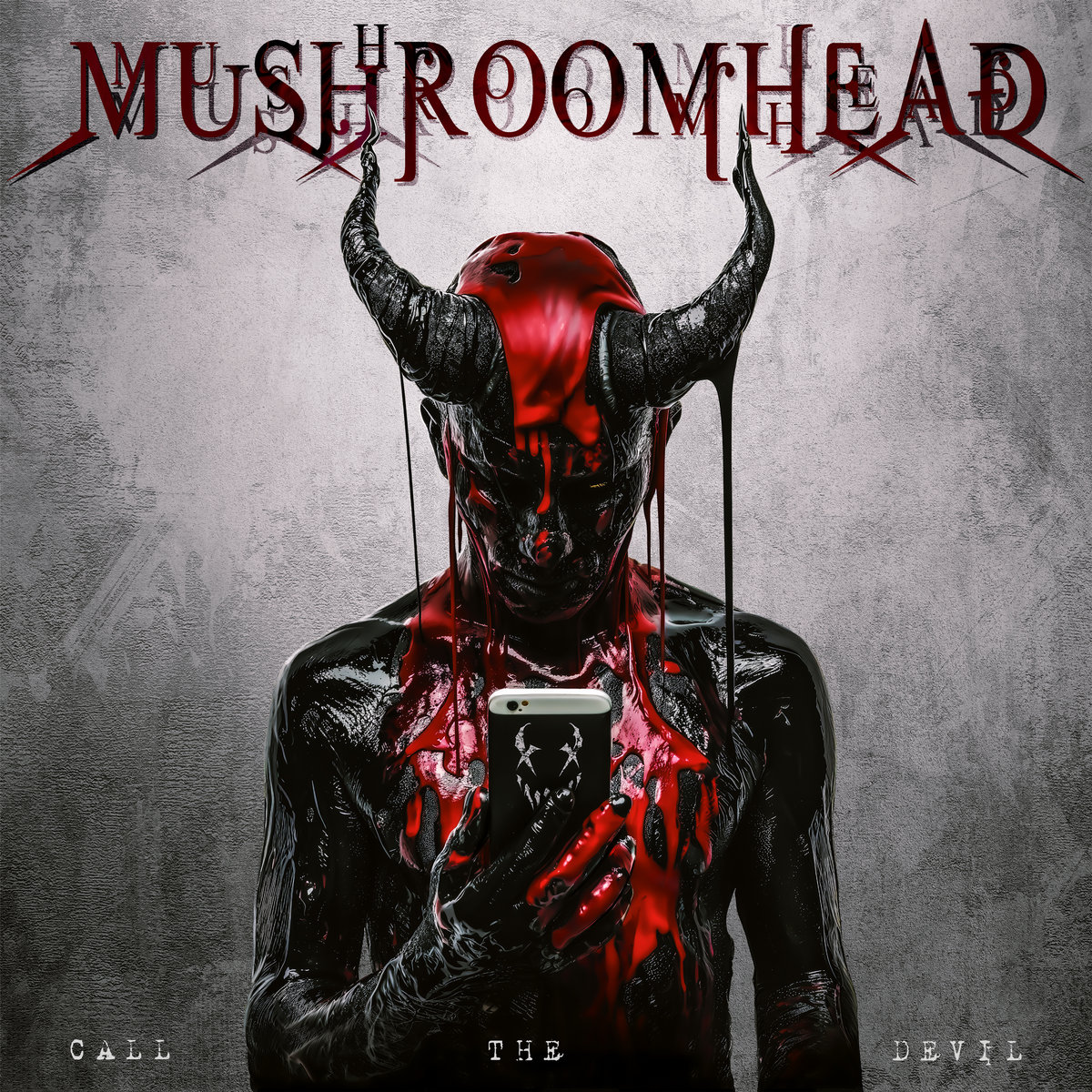
Ohio's diverse metal scene, with its strong connections to industrial and alternative music traditions, is particularly well-positioned to benefit from these cross-pollination opportunities. The state's history of genre-crossing innovation, from Mushroomhead's industrial metal experiments to Filter's alternative metal success, demonstrates how regional scenes can benefit from artists who work across stylistic boundaries.
Regional Scene Development and Digital Strategy
The combination of horror punk's commercial success, digital distribution challenges, and strategic touring partnerships creates a complex landscape that Ohio's metal scene must navigate carefully. The state's diverse metal community, spanning everything from progressive acts like Arena to traditional heavy metal bands like Sword, can learn from these national developments about balancing artistic authenticity with commercial viability.
The digital authentication challenges faced by Zao particularly impact regional scenes where bands often use innovative production techniques and unconventional approaches that might trigger automated detection systems. Ohio's metal acts must develop strategies for documenting their creative processes and maintaining clear provenance of their original work to avoid similar distribution obstacles.
These industry developments collectively suggest that best metal bands in 2026 will be those who successfully navigate digital distribution challenges while building sustainable touring partnerships and maintaining authentic creative vision. Ohio's metal scene, with its strong DIY ethics and collaborative spirit, is well-positioned to adapt these strategies while maintaining the underground authenticity that defines the state's heavy music culture.
The horror punk revival, digital authentication battles, and evolving touring economics create both opportunities and challenges that will define how regional metal scenes develop their professional infrastructure while preserving the creative freedom that drives underground innovation.