Queens of the Stone Age Reunions and Ohio's Alternative Metal Renaissance: Bilmuri's Controversy Highlights Scene's Growing Pains

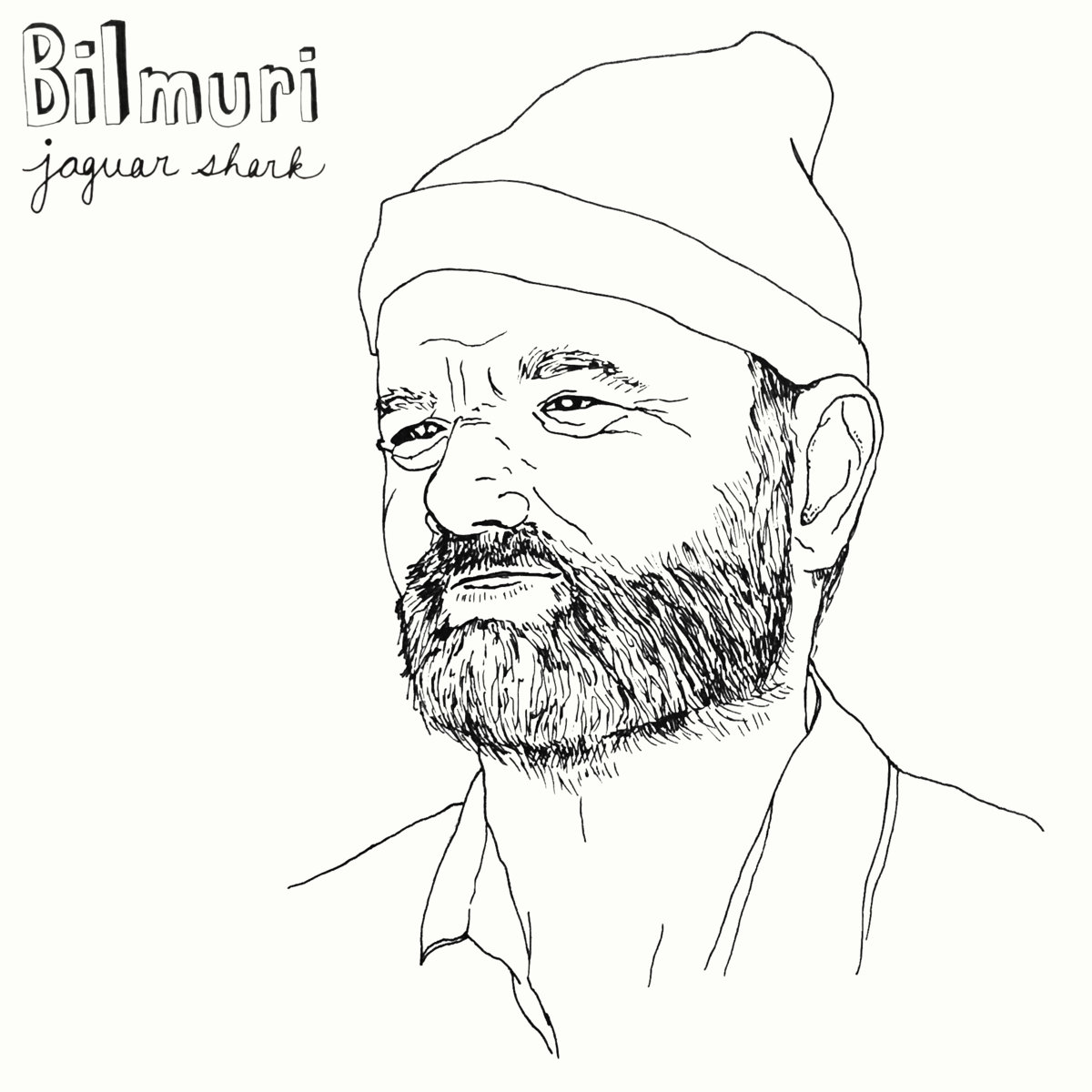
Queens of the Stone Age's surprise reunion with former bassist Nick Oliveri for their first live performance of "Auto Pilot" in over a decade has sent ripples through the alternative metal community, but closer to home, Ohio's own Bilmuri is making headlines for more controversial reasons. The return of Reese Maslen to the band just four months after his departure over abuse allegations raises serious questions about accountability and growth within the alternative metal scene.
When Reunions Go Wrong: The Bilmuri Controversy
While QOTSA's reunion with Oliveri in Joshua Tree represents the kind of nostalgic moment that fans celebrate, Bilmuri's situation demonstrates the complex challenges facing modern alternative metal acts. The Ohio-based band, known for blending djent, alternative metal, and pop punk elements, has found itself at the center of controversy with Maslen's return to the lineup after his exit over serious allegations.
This development highlights a growing tension within the metal community between forgiveness, accountability, and the business realities of maintaining successful touring acts. Unlike the celebratory nature of established bands reuniting with former members who left under different circumstances, Bilmuri's situation forces fans and industry observers to grapple with more difficult questions about second chances and genuine change.
Ohio's Alternative Metal Evolution
The controversy surrounding Bilmuri comes at a time when Ohio's alternative metal scene is experiencing significant growth and evolution. The state has become a breeding ground for innovative bands that blur genre boundaries, combining elements of djent, alternative metal, and post-hardcore in ways that reflect the diverse musical landscape of the region.
This genre-blending approach has become increasingly common among new metal bands 2026 across Ohio, with acts drawing inspiration from everything from progressive metal to pop punk. The flexibility and willingness to experiment that characterizes many Ohio acts has created a scene that's both commercially viable and artistically ambitious.
However, the Bilmuri situation demonstrates that growth comes with growing pains. As Ohio's alternative metal scene gains national attention and commercial success, bands are facing increased scrutiny and higher expectations for how they handle internal conflicts and public controversies.
Industry Collaboration and Creative Partnerships
While controversy swirls around some Ohio acts, the broader metal scene is witnessing interesting developments in collaboration and creative partnerships. Stitched Up Heart's collaboration with Nonpoint's Elias Soriano on their new single "Beast" exemplifies how modern metal acts are building strategic creative relationships that extend beyond traditional band boundaries.
This collaborative approach has become increasingly important for metal bands touring 2026, as acts discover that cross-pollination between different scenes and styles can expand their audience reach while maintaining artistic integrity. The partnership between Stitched Up Heart and Soriano, in particular, demonstrates how established vocalists can bring their experience to emerging projects while exploring new creative territories.
For Ohio's metal scene, these collaborative models offer valuable lessons about building sustainable careers in an increasingly competitive industry. Acts like Stitch, with their crossover thrash and death metal approach, could benefit from similar strategic partnerships that highlight their versatility while expanding their reach.
The Power of Strategic Touring
The announcement of The Sword and Red Fang's co-headlining West Coast tour for 2026 underscores the importance of strategic touring partnerships in today's metal landscape. This collaboration between two respected stoner metal acts demonstrates how bands can maximize their touring potential while offering fans exceptional value through carefully curated double bills.
For Ohio's metal community, this touring model offers important insights into how regional scenes can support each other while building national profiles. The success of strategic co-headlining tours suggests that Ohio acts could benefit from similar partnerships that showcase the diversity and strength of the state's metal scene.
Ice Nine Kills frontman Spencer Charnas's recent comments about touring with Metallica highlight the transformational power of strategic touring opportunities. His description of the stadium tour experience as "some of the most incredible experience of my life" demonstrates how the right touring partnership can elevate a band's profile and provide invaluable learning experiences.
Legacy Acts and Industry Evolution
The ongoing legal developments surrounding Black Sabbath's early recordings as Earth, recently settled between Sharon Osbourne and the band's first manager Jim Simpson, reflect the complex business realities that surround metal's most influential acts. These legal battles over historical recordings highlight the long-term value of metal music and the importance of securing proper rights and representation.
Similarly, Metal Church's recent lineup changes and vocalist Marc Lopes's public statements about his departure from the band after recording "Congregation Of Annihilation" demonstrate how even veteran metal acts continue to navigate internal conflicts and creative differences.
These developments among established acts provide important lessons for emerging Ohio metal scene bands about the importance of clear communication, professional contracts, and maintaining respectful relationships even during difficult transitions.
The Future of Ohio Metal
As Ohio's metal scene continues to evolve and gain national recognition, the challenges facing acts like Bilmuri serve as important learning opportunities for the entire community. The state's metal bands have consistently demonstrated their ability to innovate and adapt, but success brings increased responsibility and scrutiny.
The diversity of Ohio's metal scene - from the crossover thrash intensity of acts like Stoneman to the progressive innovation found throughout the state - positions it well for continued growth and development. However, the community must continue to grapple with questions of accountability, professionalism, and artistic integrity as it matures.
Great White guitarist Mark Kendall's recent positive update on his battle with stage four kidney cancer serves as a reminder of the resilience that defines the metal community. His gratitude and determination in the face of serious health challenges exemplify the fighting spirit that has always characterized the best metal bands and their commitment to their craft and their fans.
The announcement that Godsmack will continue creating music, though not with all original members, reflects the evolving nature of band dynamics in modern metal. This approach to continuing musical projects while acknowledging natural changes in lineup demonstrates a mature approach to band evolution that could serve as a model for other acts navigating similar transitions.
As 2026 approaches and the touring circuit expands, Ohio's metal scene stands at a crucial juncture. The state's bands have the talent, diversity, and dedication necessary to compete on a national level, but they must learn from both the successes and controversies that have shaped their community's growth.