Band Departures and Farewell Albums: Strategic Exits Transform Metal's Creative Economics
The metal world rarely sees strategic goodbyes executed with the precision currently unfolding across the scene. While most bands either implode spectacularly or fade into obscurity, recent announcements reveal artists taking control of their narratives through calculated departures and farewell projects. From Metal Church's vocalist troubles to Bather's strategic conclusion, these developments offer crucial insights for Ohio's metal community.
The Art of the Strategic Exit
Marc Lopes' angry departure from Metal Church represents everything wrong with traditional band breakups. After recording just one album with the veteran metal outfit, Lopes found himself shut out completely, with phone calls and emails ignored by his former bandmates. This communication breakdown exemplifies the unprofessional approach that has plagued metal for decades, leaving bitter feelings and burned bridges in its wake.

The contrast with farewell albums couldn't be starker. When bands announce their conclusion alongside a final recorded statement, they transform potentially destructive endings into creative triumphs. This approach allows artists to control their legacy while giving fans proper closure—a lesson particularly relevant for Ohio's Cerebral Cortex and other progressive metal acts building substantial followings.
Ohio metal bands from Ohio have watched these dynamics play out repeatedly across the regional scene. The difference between professional transitions and messy departures often determines whether bands maintain their reputations and industry relationships long-term. Strategic thinking around lineup changes and project conclusions has become essential for sustainable careers in modern metal.

Godsmack's Evolution Strategy
Sully Erna's announcement that future Godsmack music won't feature all original members demonstrates another sophisticated approach to band evolution. Rather than forcing artificial reunions or pretending nothing has changed, Erna acknowledges reality while maintaining creative momentum. This transparency allows the project to continue without disappointing fans who expect the classic lineup.
The approach offers valuable lessons for Ohio's established acts facing similar crossroads. Many of the best metal bands eventually confront lineup stability issues, whether through creative differences, personal circumstances, or simple evolution. Erna's strategy of honest communication combined with continued creativity provides a sustainable model for bands unwilling to simply end their projects.

For emerging Ohio acts like At Daggers Drawn and other melodic death metal projects, these examples highlight the importance of establishing clear communication protocols and creative decision-making processes early in their careers. Professional practices implemented during a band's formation can prevent the bitter departures that plague so many metal acts.
Solo Projects and Creative Freedom
Chad Gray's first solo performance represents another strategic approach to creative evolution. Rather than abandoning Mudvayne or creating unnecessary drama, Gray explores personal artistic directions while maintaining his primary projects. This parallel development allows established artists to experiment without jeopardizing their core musical relationships.
The solo project strategy has particular relevance for Ohio's diverse metal scene, where musicians often participate in multiple bands across different genres. Acts like Truth Ascension already demonstrate this approach, with members contributing to various progressive and death metal projects simultaneously.
These parallel creative streams prevent the artistic stagnation that often leads to destructive band breakups. When musicians have outlets for different creative impulses, their primary projects remain focused and productive rather than becoming battlegrounds over artistic direction.
Legacy Acts and Modern Challenges
The broader metal scene's handling of legacy acts provides additional strategic insights. Bands like Trouble continue performing classic material decades after their formation, demonstrating how proper catalog management and realistic expectations can sustain careers indefinitely. Their recent European festival performance focused on old-school material, acknowledging what fans actually want to hear.
Great White guitarist Mark Kendall's positive update on his cancer battle offers another perspective on band longevity. Health challenges inevitably affect aging metal musicians, but transparent communication and realistic planning allow bands to continue operating despite obstacles. Kendall's gratitude and determination exemplify the professional attitude that separates sustainable careers from short-term projects.
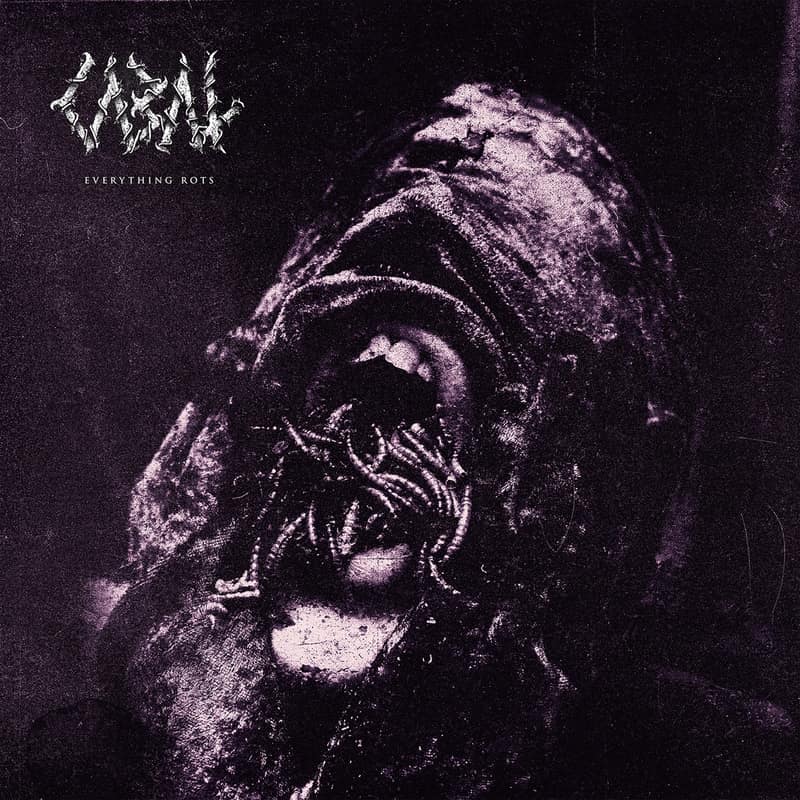
Ohio's metal veterans can learn from these examples, particularly acts like Cabal and other long-running regional bands. Honest assessment of capabilities and circumstances allows established acts to continue contributing meaningfully rather than forcing unsustainable reunion attempts or ignoring obvious limitations.
Documentary Culture and Professional Storytelling
Blood Incantation's upcoming documentary with accompanying soundtrack reveals how modern metal bands think beyond traditional album cycles. Professional documentation of creative processes and touring experiences creates additional revenue streams while preserving band history for future fans. The 73-minute score accompanying their documentary demonstrates serious artistic ambition.
This approach to comprehensive artistic documentation offers specific opportunities for Ohio's metal scene. Regional bands often develop compelling stories around their creative processes, local scene involvement, and touring experiences. Professional documentation of these narratives could significantly enhance band profiles and create lasting promotional materials.
The documentary culture emerging across metal also provides networking opportunities. Bands participating in professional video projects often develop relationships with producers, videographers, and other industry professionals who can assist with future creative endeavors.
Regional Scene Applications
Ohio's metal community can implement several specific strategies based on these national developments. First, bands should establish clear communication protocols and decision-making processes during their formation, preventing the bitter departures that plague established acts. Regular band meetings and transparent discussion of creative and business decisions create professional working relationships.
Second, Ohio acts should consider parallel creative projects that prevent artistic stagnation within their primary bands. Solo work, guest appearances, and side projects allow musicians to explore different creative directions without jeopardizing their main artistic relationships. The state's diverse metal scene provides numerous collaboration opportunities.
Third, established Ohio bands should honestly assess their capabilities and circumstances, planning sustainable career paths rather than forcing unrealistic reunions or ignoring obvious limitations. Professional approaches to lineup changes and creative evolution maintain industry relationships and fan respect.
Finally, Ohio metal acts should explore comprehensive artistic documentation beyond traditional album releases. The state's rich metal history and active contemporary scene provide compelling material for professional video projects, documentaries, and expanded creative presentations.
Future Strategic Thinking
The metal industry's evolution toward strategic thinking around band departures and project conclusions reflects broader professionalization across the scene. Artists increasingly approach their careers as long-term business endeavors requiring careful planning rather than purely emotional creative outlets.
This shift creates opportunities for Ohio's metal scene to differentiate itself through professional practices and strategic thinking. Regional bands implementing sophisticated approaches to communication, creative development, and career planning can achieve sustainable success while maintaining artistic integrity.
The examples emerging from national acts provide proven templates for various scenarios Ohio bands will inevitably encounter. Whether facing lineup changes, creative differences, or simple evolution, strategic approaches exist for maintaining professional relationships and continued creative productivity.
As Ohio's metal scene continues developing, bands implementing these strategic approaches will likely achieve greater longevity and industry respect than acts relying on traditional, often destructive patterns of band management and creative decision-making.