Label Signings and Production Powerhouses: Relapse Records' Death Metal Investment Strategy Transforms Underground Accessibility
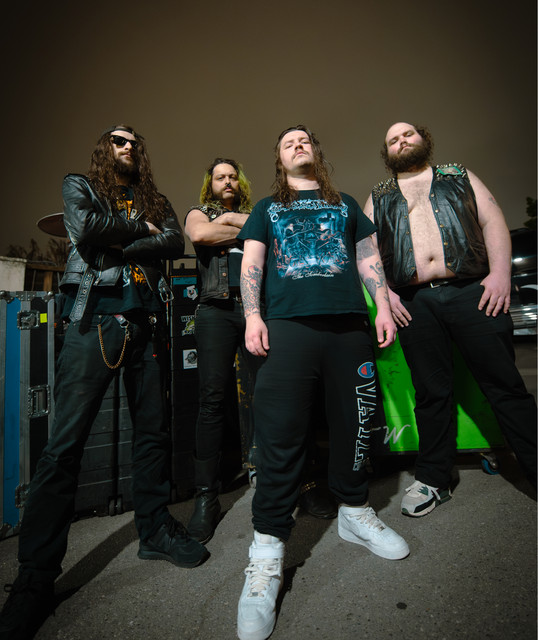
The death metal underground is experiencing a seismic shift as major independent labels invest heavily in extreme talent, fundamentally altering how brutal music reaches audiences. UNDEATH's recent signing to Relapse Records represents more than a simple label deal—it signals a strategic transformation in how death metal's most promising acts gain professional resources while maintaining underground authenticity.
Relapse Records' Strategic Death Metal Investment
New York's UNDEATH joining the Relapse Records roster highlights the label's continued commitment to death metal excellence. The band's fourth full-length album, recorded with Colin Marston at Pennsylvania's Menegroth studio, demonstrates how established labels are providing emerging death metal acts with access to premier production facilities and experienced engineers who understand the genre's technical demands.
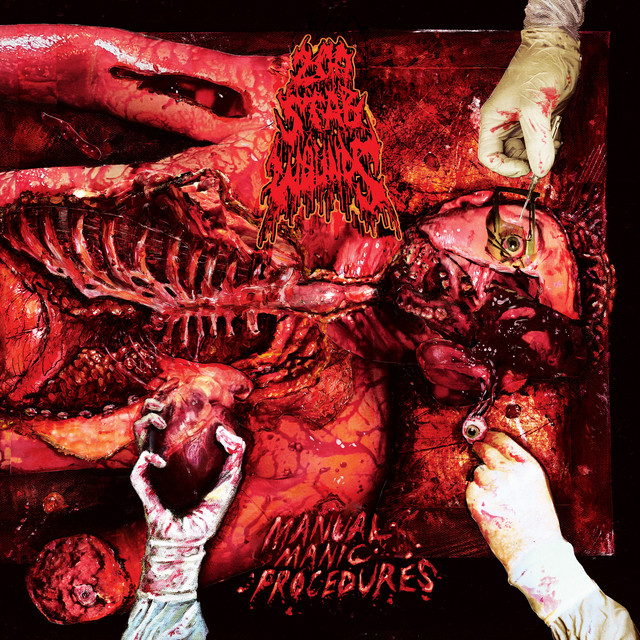
This development reflects a broader industry trend where independent labels are making calculated investments in death metal's future, recognizing that today's underground favorites often become tomorrow's festival headliners. For Ohio's death metal community, including acts like 200 Stab Wounds and other emerging regional talents, these label strategies create new pathways for professional development.
Producer Partnerships Elevate Extreme Metal Standards
The involvement of Colin Marston in UNDEATH's recording process exemplifies how producer partnerships are elevating death metal's sonic standards. Marston's work with technical giants like Krallice, Gorguts, and Origin demonstrates the level of expertise now accessible to promising death metal acts through strategic label relationships.
Similarly, Darkest Hour's collaboration with producer Mark Lewis signals another significant development in metal production trends. Lewis's extensive resume with Whitechapel, Trivium, The Black Dahlia Murder, and Cannibal Corpse positions him as a key figure in modern extreme metal production, and his involvement with veteran acts like Darkest Hour suggests that established bands are prioritizing production quality as they craft their artistic legacies.
These producer partnerships create ripple effects throughout regional scenes. Ohio death metal acts like Ton and other local extreme metal bands benefit from the rising production standards and increased industry attention to death metal's technical possibilities.
Studio Selection as Strategic Creative Decision
The choice of recording facilities has become increasingly strategic in extreme metal. UNDEATH's selection of Menegroth studio and Darkest Hour's upcoming studio sessions with Mark Lewis demonstrate how bands and labels are treating studio selection as a crucial creative decision rather than a logistical necessity.
This trend toward strategic studio selection influences regional scenes by raising expectations for professional quality while highlighting the importance of finding the right sonic environment for each project. Ohio's death metal acts are increasingly aware that studio choice can make or break an album's impact, leading to more thoughtful decision-making around recording processes.
Genre Boundaries and Creative Evolution
Meanwhile, the broader metal landscape continues evolving as artists push genre boundaries. Boundaries' upcoming album "Yearning: The Unbeautiful After" on Sumerian Records demonstrates how metalcore and hardcore acts are embracing heavier, more threatening sounds. Their statement that "heavy music continues to lose its teeth" and their commitment to creating music "with urgency" reflects a broader conversation about maintaining extremity in an increasingly commercial metal environment.
This emphasis on maintaining metal's threatening edge resonates throughout Ohio's diverse heavy music scene, where bands across genres—from crushing doom acts to relentless grindcore outfits—continue prioritizing authenticity over commercial appeal. The state's working-class metal ethos naturally aligns with this philosophy of keeping heavy music genuinely heavy.
International Influences and Regional Applications
The ongoing controversies surrounding Ukrainian band 1914's experiences with Italian authorities highlight how international metal acts navigate complex political and legal landscapes while maintaining their artistic missions. These developments remind regional scenes that metal often carries political and social weight beyond pure entertainment.
Ohio's metal community has historically embraced socially conscious themes, and international examples like 1914's commitment to supporting Ukrainian military efforts provide inspiration for local acts considering how to channel their platforms toward meaningful causes.
Veteran Artists and New Project Development
Sepultura frontman Derrick Green's plans for new band formation after the legendary group's farewell tour demonstrate how veteran metal artists are approaching creative transitions. Green's emphasis on "endless possibilities" and his interest in photography alongside music suggests that experienced metal musicians are increasingly viewing their careers through multidisciplinary lenses.
This veteran perspective offers valuable lessons for Ohio's metal scene, where many bands are led by musicians with decades of experience in regional heavy music. The example of established artists like Green successfully transitioning between projects provides roadmaps for local veterans considering their own creative evolution.
Production Quality as Underground Currency
The emphasis on high-quality production in recent signings and upcoming releases suggests that production value has become a form of underground currency. Labels like Relapse are investing in premium production because they recognize that today's death metal fans expect both brutal authenticity and sonic clarity.
This trend creates opportunities and challenges for regional scenes. Ohio death metal bands now have clearer pathways to professional-quality recordings, but they also face higher expectations from audiences accustomed to polished extreme metal releases. The key lies in balancing technical excellence with the raw energy that makes death metal compelling.
Strategic Implications for Regional Development
These industry developments create several strategic implications for Ohio's metal scene. First, the success of UNDEATH and similar acts demonstrates that geographic location matters less than artistic quality and professional presentation. Second, the involvement of renowned producers in extreme metal projects suggests that investment in quality recording and production pays long-term dividends.
Most importantly, these trends highlight the continued vitality of death metal as a creative and commercial force. As major independent labels continue investing in extreme metal talent and veteran acts plan ambitious new projects, Ohio's metal community finds itself well-positioned to benefit from the genre's ongoing evolution.
The combination of label investment, production excellence, and veteran experience creates an environment where regional metal scenes can thrive by focusing on quality, authenticity, and strategic professional development. For Ohio's diverse metal community, these industry trends provide both inspiration and practical roadmaps for artistic and commercial success.