Stoner Doom Renaissance and Touring Economics: Heavy Riff Culture Transforms Metal's Business Model
The convergence of stoner metal and doom's crushing heaviness with savvy touring economics is reshaping how heavy bands approach their careers, and Ohio's diverse metal ecosystem offers prime examples of this strategic evolution. Recent touring announcements reveal how veteran acts are leveraging nostalgic appeal while emerging bands master the art of sustainable gigging.
The Sword and Red Fang Co-Headlining Strategy
The announcement of The Sword and Red Fang's 2026 West Coast co-headlining tour represents a masterclass in strategic partnership economics. Both bands occupy similar sonic territories—crushing riffs, massive tone, and cult followings—but their combined draw creates a touring package that significantly exceeds what either could achieve individually.
This collaborative approach addresses the modern reality that mid-tier metal acts face: venue costs have skyrocketed, but fan spending hasn't kept pace. By splitting expenses and doubling audience appeal, both bands ensure profitability while delivering maximum value to audiences craving authentic heavy music. The 2026 timeline also suggests careful planning around album cycles and market positioning.
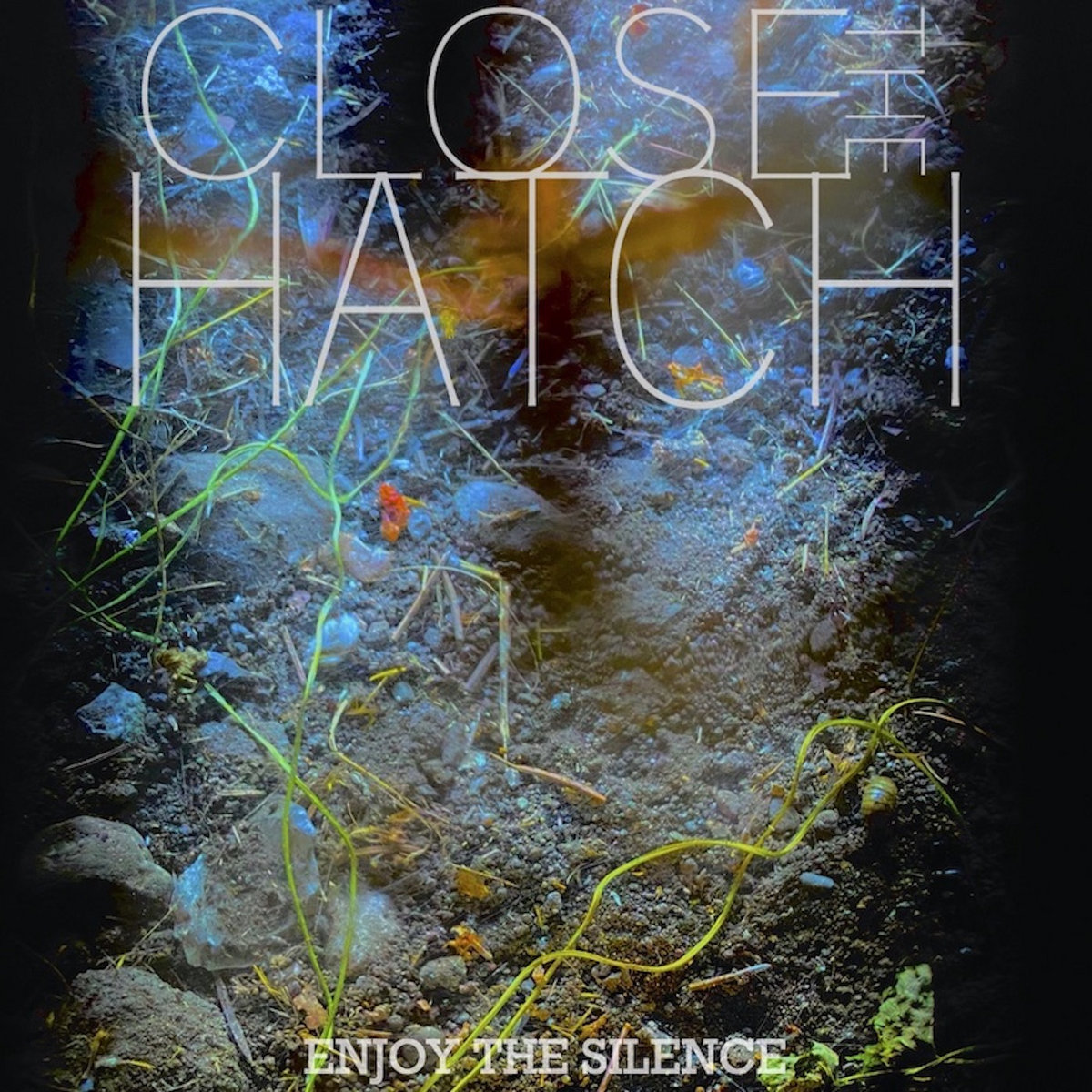
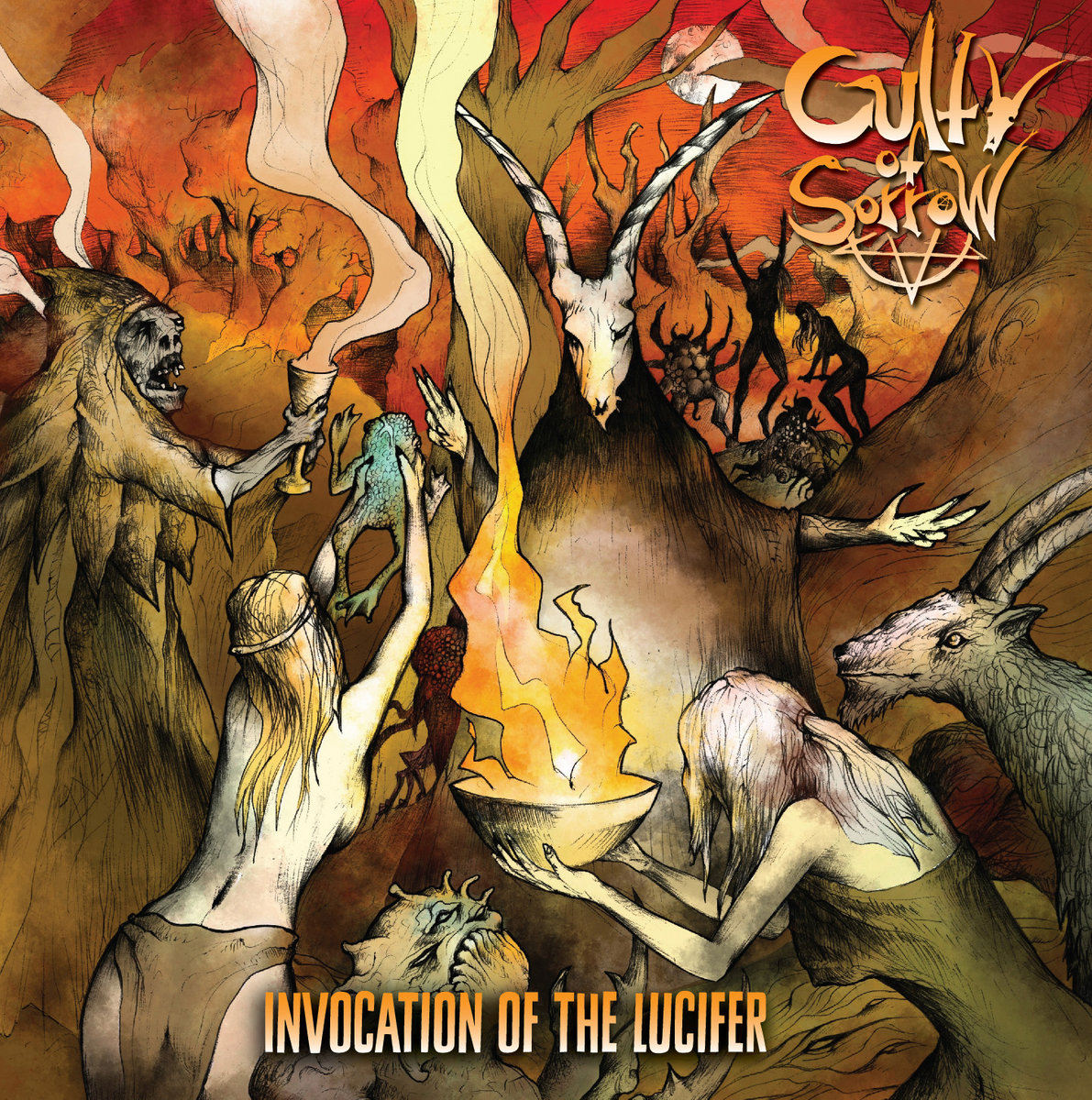
For Ohio's stoner and doom acts, this partnership model offers crucial insights. Bands like Cult of Sorrow and Close the Hatch could leverage similar collaborative touring strategies, combining their complementary sounds to create compelling regional packages that justify larger venue bookings and longer tour routing.
Ohio's Stoner Metal Underground Advantage
Ohio's geographic position and industrial heritage create natural advantages for stoner and doom metal cultivation. The state's working-class aesthetic aligns perfectly with these genres' blue-collar authenticity, while major cities like Cleveland, Columbus, and Cincinnati provide diverse venue ecosystems for different career phases.
The recent surge in documentary content and behind-the-scenes material—exemplified by projects like Terror's Latin American touring documentary—demonstrates how bands are monetizing their stories beyond traditional album sales. Ohio acts possess rich narratives tied to industrial decline, economic resilience, and regional identity that could translate into compelling multimedia content.
Mental Cruelty's live video release from their German show illustrates another crucial trend: international market development through digital content. Ohio's stoner and doom acts could leverage similar strategies, using high-quality live recordings to build European and international followings before committing to expensive overseas touring.
Genre Fusion and Creative Economics
The collaboration between industrial act Combichrist and King 810's David Gunn on "Demons Wanna Be Summoned" exemplifies how cross-genre partnerships create new revenue streams while expanding artistic possibilities. This approach resonates strongly with Ohio's metal scene, which has always embraced genre-blending experimentation.
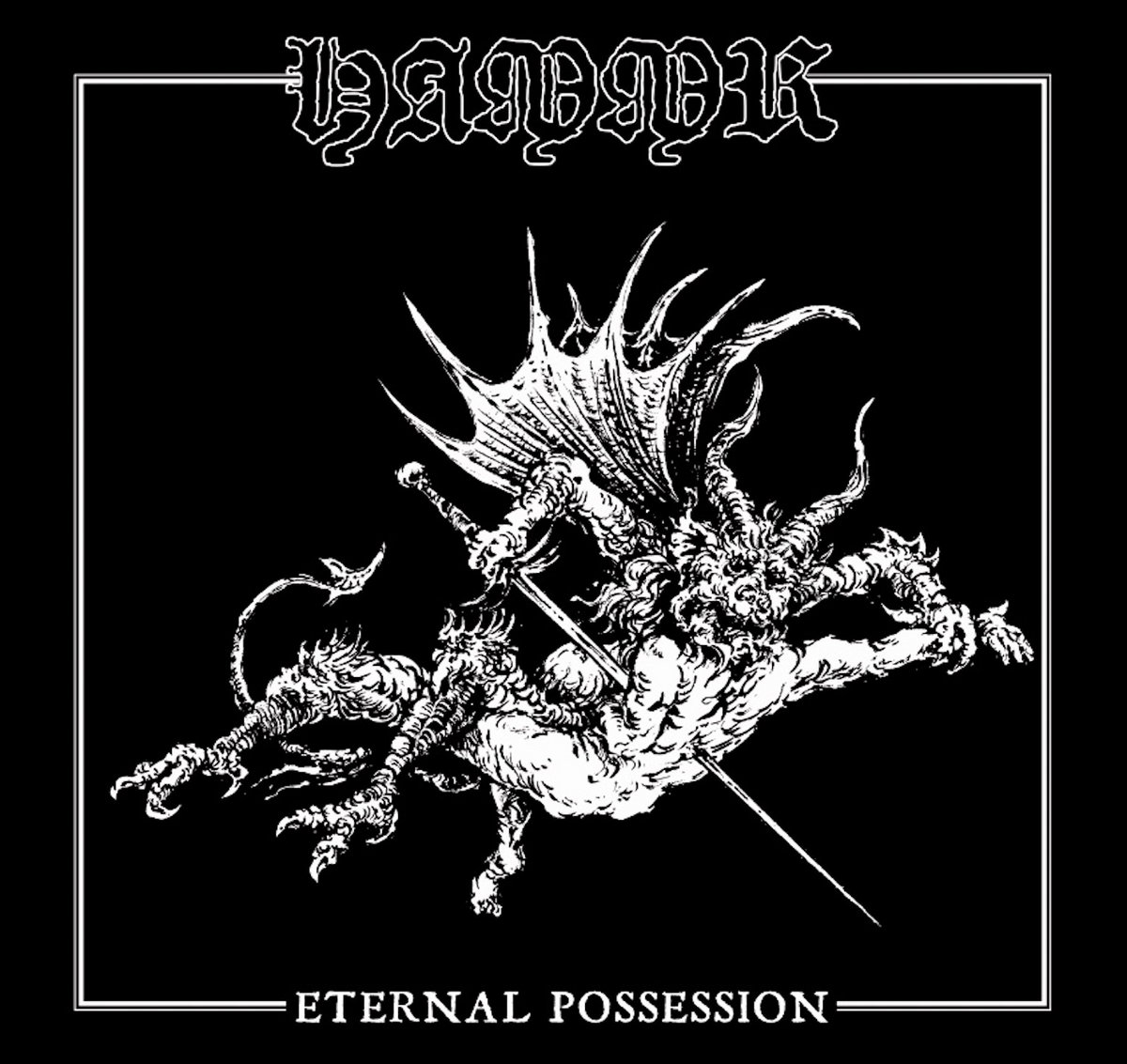
Bands like Hammr, who combine black metal, doom, and speed metal elements, are perfectly positioned to benefit from this fusion trend. Their multi-genre approach allows for diverse touring opportunities and broader audience appeal without sacrificing underground credibility.
The emergence of acts like WASTE, whose "The Weight of Everything" video represents the kind of atmospheric heaviness that defines modern doom, shows how newer bands are integrating visual storytelling from their earliest releases. Ohio acts entering the scene should prioritize high-quality video content that captures both their sonic intensity and regional character.
Regional Venue Development and Scene Building
While major markets like New York showcase prestige bookings—Beck at Brooklyn Paramount, David Byrne at Forest Hills Stadium—Ohio's strength lies in its network of mid-sized venues and DIY spaces that provide crucial development opportunities for heavy acts. These venues allow bands to experiment with longer sets, new material, and audience interaction without the pressure of major market expectations.
Sleep Club's "State Fair" single release, ahead of a darker and heavier EP, demonstrates how bands are using strategic single releases to build anticipation and test market response. This approach works particularly well in regional markets like Ohio, where word-of-mouth remains crucial for scene development.
The key advantage Ohio offers is venue density combined with reasonable travel distances. A band can hit Cleveland, Akron, Columbus, Dayton, and Cincinnati in a week-long regional tour that provides excellent market testing without the financial risk of longer routing. This allows for the kind of incremental growth that sustains long-term careers.
Digital Strategy and Authentic Storytelling
Karmanjakah's "Sun, Astray" streaming release illustrates how modern heavy acts balance digital accessibility with artistic integrity. The challenge for Ohio's stoner and doom acts lies in maintaining their authentic, analog-influenced sound while embracing digital distribution and promotion strategies.
The recent trend toward longer album development cycles—reflected in established acts taking years between releases—actually benefits regional scenes. It creates space for emerging acts to build followings without competing directly against major label releases. Ohio's metal community should leverage this window to develop distinctive regional sounds that can eventually compete on national stages.
Building Sustainable Heavy Music Careers
Mark Slaughter's recent interview about why his band hasn't released new material in over 25 years offers sobering insights into the challenges of maintaining creativity within commercial pressures. His "herding cats" comment reflects the difficulty of aligning multiple musicians' priorities as careers and personal circumstances evolve.
For Ohio's emerging heavy acts, this underscores the importance of establishing clear creative and business agreements early in band development. The most successful regional acts typically combine passionate commitment to their sound with realistic expectations about career timelines and revenue generation.
The current metal landscape rewards consistency and authentic fan engagement over viral moments or major label pursuit. Ohio's heavy music scene is perfectly positioned to capitalize on this trend, offering artists the community support and venue infrastructure necessary for sustainable career development.
Looking Forward: Ohio's Heavy Music Opportunity
As touring economics continue evolving and bands explore new collaborative models, Ohio's metal community possesses significant advantages. The state's venue diversity, geographic positioning, and authentic industrial heritage create ideal conditions for heavy music development across the stoner, doom, and extreme metal spectrum.
The key lies in embracing strategic thinking while maintaining the authentic heaviness that defines the best regional metal. Whether through collaborative touring packages, multimedia storytelling, or innovative venue partnerships, Ohio's heavy acts have unprecedented opportunities to build sustainable careers rooted in genuine musical community.
Success in this evolving landscape requires combining the business savvy demonstrated by acts like The Sword and Red Fang with the creative authenticity that has always defined Ohio's metal underground. The bands that master this balance will define the next phase of regional heavy music development.