Collaboration Culture and Band Departures: Guest Features and Strategic Exits Reshape Metal's Creative Economics
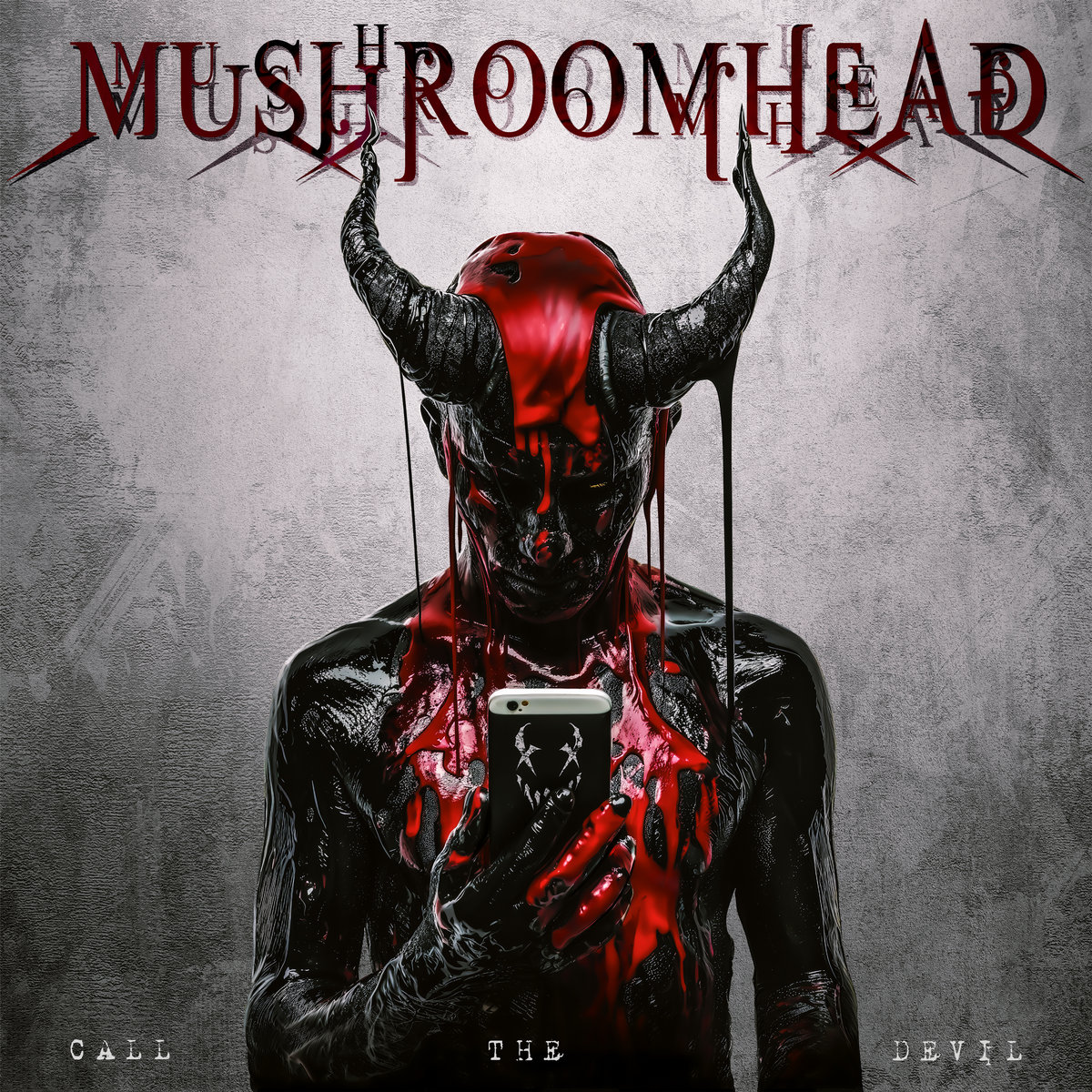
The current metal landscape reveals a fascinating dichotomy: while some bands are expanding their creative networks through strategic guest collaborations, others are making calculated exits that prioritize artistic legacy over prolonged careers. This dual trend offers valuable insights for Ohio's metal community, where both approaches could serve as blueprints for navigating an increasingly complex industry.
The Guest Feature Economy Takes Center Stage
Stitched Up Heart's collaboration with Nonpoint's Elias Soriano on their new track "BEAST" represents more than just a single guest appearance—it's part of a broader album strategy where multiple guest features create both sonic diversity and expanded audience reach. Their upcoming "MEDUSA" album reportedly features numerous collaborative moments, suggesting that bands are increasingly viewing guest appearances as essential creative and marketing tools rather than occasional novelties.
This collaborative approach reflects a mature understanding of modern metal's interconnected ecosystem. When established vocalists like Soriano lend their distinctive style to emerging projects, both artists benefit from cross-pollination of fan bases and creative perspectives. The strategy acknowledges that today's metal fans often follow individual musicians across multiple projects, making guest features a natural extension of artistic relationships.
For Ohio's diverse metal scene, this collaborative model offers particular advantages. The state's metal community has always thrived on cross-genre experimentation, from industrial pioneers to death metal innovators. Local bands could leverage this collaborative trend by partnering across Ohio's various metal subgenres, creating unique sonic combinations that distinguish them from national acts following more predictable patterns.
Strategic Band Departures and Legacy Management
Bloodbather's announcement of a farewell album demonstrates how modern bands are approaching endings with the same strategic thinking they apply to launches. Rather than simply dissolving quietly or dragging out declining momentum, the decision to create a definitive final statement allows for artistic closure while maintaining creative control over their legacy narrative.
This approach to band conclusions reflects broader changes in how metal artists view career arcs. Where previous generations might have continued touring and releasing material indefinitely, today's bands increasingly recognize the value of strategic conclusions that preserve artistic integrity. The farewell album concept allows bands to craft their own ending rather than simply fading away or enduring messy breakups that tarnish their historical standing.
The timing of such decisions has become increasingly sophisticated. Rather than waiting until creative energy has completely dissipated or personal conflicts have become irreconcilable, bands like Bloodbather are making proactive choices about when and how to conclude their artistic statements. This level of strategic thinking could benefit Ohio's metal scene, where bands often struggle with the decision of when to evolve, pause, or conclude their projects.
Ohio's Metal Heritage Meets Modern Opportunities
The news of Jeffrey Nothing announcing a full U.S. tour after an eight-year hiatus brings these trends directly into Ohio's metal sphere. As a co-founding member of Mushroomhead, Nothing's return represents both personal artistic revival and a reminder of Ohio's significant contributions to alternative metal's evolution. His extended absence and strategic return demonstrate how veteran artists are increasingly taking control of their career timelines rather than following industry-imposed schedules.
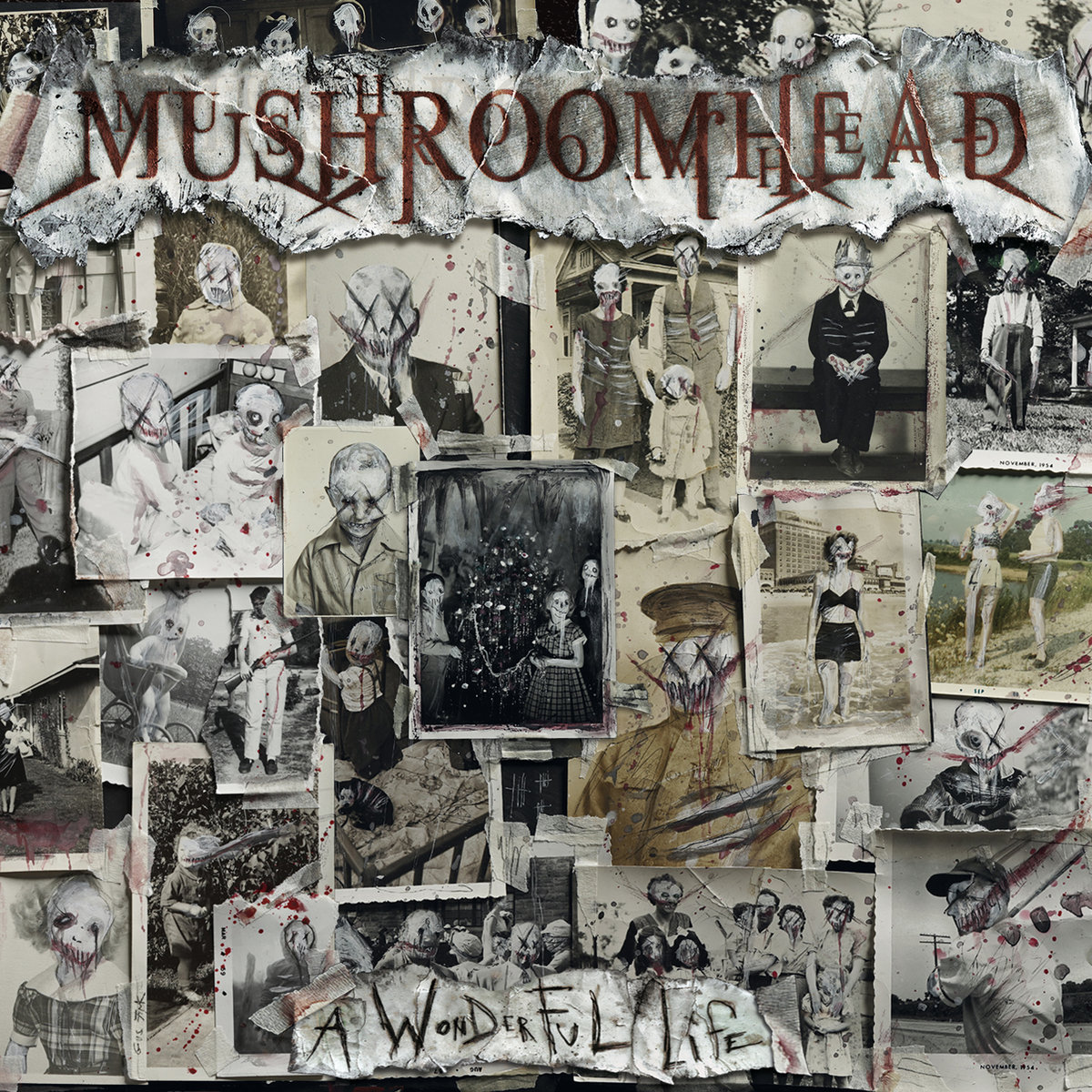
Nothing's approach—stepping away for nearly a decade before returning with a deliberately planned tour—contrasts sharply with the constant content creation pressure that many contemporary artists face. This patient approach to career development could serve as a model for other Ohio metal veterans who might benefit from similar strategic breaks and carefully planned returns.
The industrial and alternative metal sounds that Mushroomhead helped pioneer continue influencing newer bands across Ohio's metal spectrum. Nothing's return occurs at a time when these innovative approaches to metal are finding renewed appreciation among both longtime fans and younger listeners discovering these sounds for the first time.
Cross-Genre Collaboration as Regional Strategy
The proliferation of guest features and collaborative projects suggests that regional metal scenes like Ohio's could benefit from fostering more intentional cross-pollination between their various subgenres. Ohio's metal community encompasses everything from traditional heavy metal to extreme black metal, creating opportunities for unexpected collaborations that could generate both artistic innovation and expanded audience reach.
The success of collaboration-heavy albums like Stitched Up Heart's "MEDUSA" demonstrates that fans appreciate sonic diversity within individual releases. Ohio bands could apply this model by creating collaborative albums that showcase the state's genre diversity, potentially featuring death metal vocalists on doom metal tracks, or incorporating black metal atmospherics into traditional heavy metal compositions.
Such collaborative approaches could also address one of the ongoing challenges facing regional metal scenes: limited individual band audiences. When local bands collaborate across genres, they effectively combine their respective fan bases while creating unique content that distinguishes them from purely local or purely national acts.
The Economics of Strategic Endings
Bloodbather's farewell album strategy reveals sophisticated thinking about how band conclusions can serve both artistic and business interests. Rather than simply stopping, the farewell album approach creates a defined endpoint that can generate final revenue streams while preserving artistic legacy. This model could prove particularly valuable for Ohio bands that have reached natural creative conclusions but want to avoid simply dissolving without closure.
The strategic approach to band endings also allows for more thoughtful preservation of artistic achievements. When bands conclude with deliberate final statements rather than gradual fade-outs, their complete discographies maintain stronger coherence and historical value. This consideration becomes increasingly important as metal's digital preservation allows entire band catalogs to remain accessible indefinitely.
Building Ohio's Metal Future
These national trends—collaborative albums and strategic conclusions—offer Ohio's metal community specific opportunities for regional development. The state's metal scene has consistently produced innovative bands across multiple subgenres, but could benefit from more intentional cross-genre collaboration and strategic career planning.
Local venues and promoters could facilitate collaborative projects by creating showcases that pair bands from different metal subgenres, encouraging natural artistic relationships that could evolve into recorded collaborations. Similarly, Ohio's metal community could develop better support systems for bands making strategic career transitions, whether those involve extended hiatuses like Nothing's or planned conclusions like Bloodbather's.
The combination of collaborative creativity and strategic career management represents a maturation of metal as both art form and industry. Ohio's metal scene, with its diverse genre representation and strong community connections, is well-positioned to implement both approaches effectively.
As the metal landscape continues evolving toward more intentional artistic and business strategies, Ohio's metal community can leverage these trends to strengthen both individual band success and overall regional scene development. The key lies in recognizing that both collaboration and strategic endings represent opportunities for artistic growth rather than compromises or failures.